
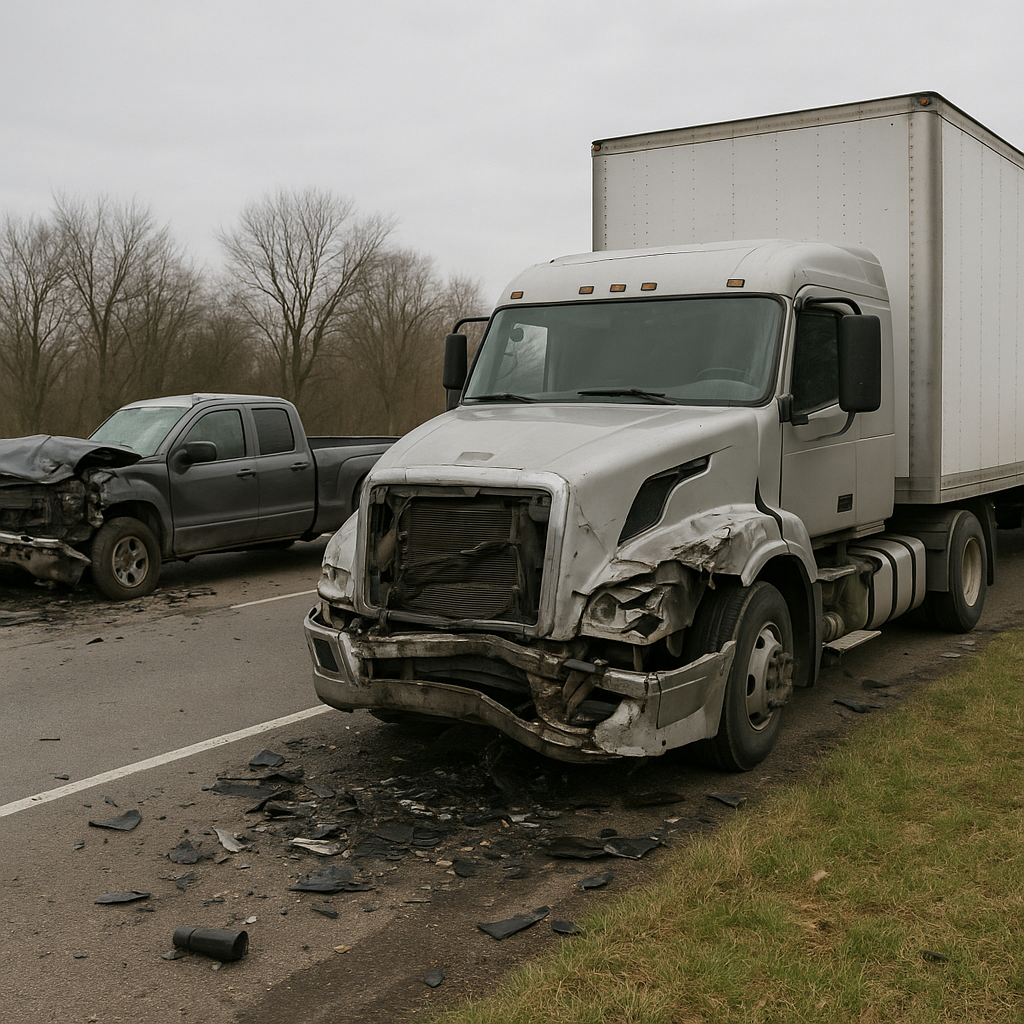
Why People Act Normal After Severe Truck Crashes
Overview of Shock and Trauma After Truck Accidents
After a severe truck accident, observers may expect dramatic or overwhelmed reactions from those involved. Surprisingly, it’s common to witness people acting normal after a truck crash—answering questions clearly, moving around purposefully, or even joking with others. This calm demeanor can puzzle bystanders and raise concerns about whether the individuals are truly unscathed. Understanding this response requires exploring the mental and physical mechanisms that come into play during significant traumatic events such as truck accidents.
When the body and mind are exposed to extreme stress, such as a collision with a large vehicle, the immediate response does not always align with the visible severity of the incident. Instead, a complex interplay of psychological and physiological processes can create a temporary sense of normalcy. This does not necessarily reflect the absence of injury or distress, but rather showcases the body’s remarkable ability to protect itself in the aftermath of trauma.
Why the Body and Mind React This Way
The appearance of “acting normal after a truck crash” is deeply tied to the body’s automatic survival mechanisms. Central to this response is the activation of the “fight, flight, or freeze” reaction governed by the autonomic nervous system.
In sudden traumatic situations, such as a truck accident, the body initiates several changes almost instantly:
– Release of stress hormones: Chemicals like adrenaline and cortisol flood the bloodstream. These hormones enhance alertness, dull pain, and prepare the body to react quickly.
– Numbing: Many people experience emotional detachment or numbness, often called “shock,” which can make them appear composed or unaffected.
– Heightened focus and clarity: Some individuals report an intense sense of clarity, with their thoughts and actions becoming highly pragmatic. This can present outwardly as calmness or even indifference.
These adaptations are not conscious decisions, but rather deeply ingrained protective responses. Their purpose is to help individuals navigate the chaotic moments following an accident—moving to safety, communicating with others, or waiting for help—while postponing the processing of emotional distress or physical discomfort.
Common Reactions People Experience
Though each person’s response is unique, several typical reactions explain why people may seem to “act normal” after a truck crash:
– Calm, Controlled Demeanor: Many individuals enter a state of composure. They may answer questions coherently, follow instructions, or even assist others at the scene.
– Delayed Onset of Pain or Distress: Physical pain and emotional distress may not be immediately apparent. The body’s stress response can mask symptoms until the situation feels safer.
– Automated Behaviors: Routine actions—collecting belongings, calling loved ones, exchanging insurance information—are often performed almost automatically, as the mind relies on familiar scripts during unfamiliar situations.
– Absence of Visible Panic: Rather than crying, shouting, or showing panic, some people appear almost serene, a state sometimes referred to as “emotional numbing.”
These behaviors can be confusing for those witnessing the aftermath, as there may be a disconnect between the severity of the crash and the apparent emotional state of those involved. It’s important to recognize that this perceived “normalcy” does not necessarily indicate a lack of injury or strong feelings, but rather reflects short-term coping mechanisms at work.
How These Reactions Can Change Over Time
The response of “acting normal after truck crash” is often temporary. As the effects of shock wear off and the body’s stress hormones return to baseline, different emotions and symptoms can surface. The timeline and nature of this shift vary greatly from person to person.
– Within Hours: After leaving the scene or once immediate danger is perceived to have passed, physical and emotional sensations often intensify. Individuals may experience pain from injuries, tiredness, or waves of sadness, anger, or anxiety.
– In the Following Days: Emotional reactions such as irritability, mood swings, or trouble sleeping can emerge. Physical symptoms—aches, stiffness, headaches—may also become prominent.
– Long-Term Effects: For some, traumatic responses can persist. Flashbacks, avoidance of reminders of the accident, or heightened anxiety may develop, reflecting a deeper psychological response to the event.
It’s also common for people to vacillate between feeling fine and being overwhelmed. The process of coming to terms with the experience, both physically and emotionally, is rarely linear.
Closing Reassurance Paragraph
In summary, acting normal after a truck crash is a well-recognized response aligned with the body and mind’s instinctive protective mechanisms. This reaction enables individuals to manage the immediate aftermath of a traumatic event with remarkable composure, even if distress or discomfort surfaces later. While these responses can seem confusing or counterintuitive, they are a natural part of how people cope with sudden, overwhelming situations. Over time, reactions can shift as the initial shock resolves and the mind and body begin to process the experience more fully.