
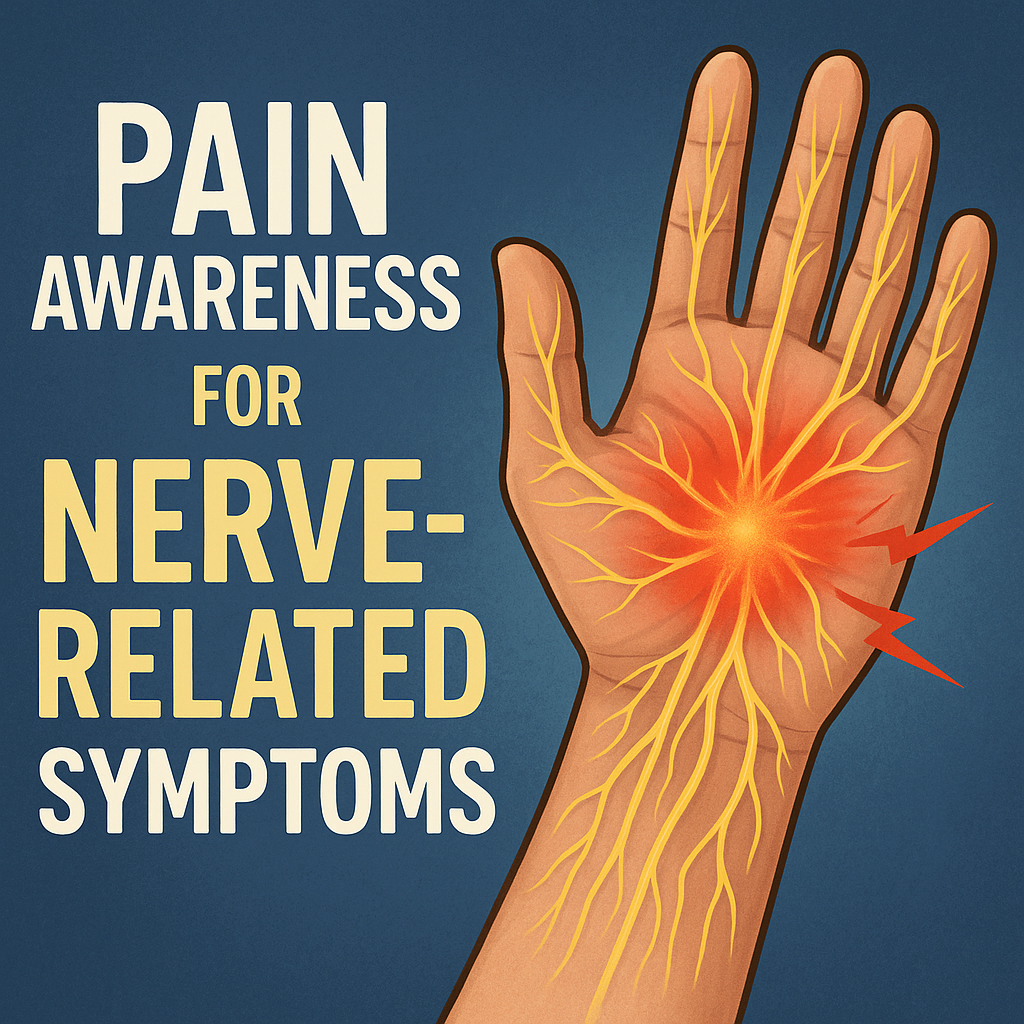
Pain Awareness for Nerve Related Symptoms
Understanding how and why nerve pain symptoms occur is an essential step towards greater health literacy. After a significant event like a truck accident, people may wonder about new sensations, discomfort, or shifts in how their body feels. Being attuned to nerve pain symptom awareness empowers individuals to monitor changes, communicate more effectively with professionals, and make informed decisions about their well-being. This article explores why symptoms can appear after truck accidents, describes some common symptom patterns, discusses how nerve symptoms can change over time, and highlights when people typically start to monitor these issues.
—
Why Symptoms Can Appear After Truck Accidents
Truck accidents are usually high-impact events that can lead to abrupt and powerful forces acting on the body. Even without visible injuries, such an incident can cause internal disruptions, including those that affect the nervous system. Our nerves are delicate structures that run throughout the body, transmitting signals between the brain, spinal cord, and the rest of the body. When these nerves are subjected to sudden pressure, stretching, or jarring motions, symptoms can develop.
In the aftermath of a truck accident, even if there are no immediate signs of injury, stress and shock alone can mask or alter the body’s response. The adrenaline surge and heightened alertness post-accident can sometimes delay the awareness of nerve pain symptom awareness. As the body’s initial shock response fades, subtle signs may begin to surface. These signs are important signals that something may be affecting the nerves, even if the original impact did not seem severe at the time.
The factors that contribute to the development of nerve symptoms after a collision may include:
– Direct impact on the limbs, neck, or back where nerves are close to the surface or travel through tight anatomical spaces.
– Indirect trauma or whiplash, which can generate stretching or compression of nerves.
– Inflammation or swelling around nerves as the body’s natural response to trauma.
Understanding why nerve symptoms can occur following truck accidents is a key aspect of nerve pain symptom awareness. It encourages individuals to pay attention to their body’s signals, even if they initially feel fine.
—
Common Symptom Patterns (No Medical Instructions)
The signs of nerve involvement after trauma can be subtle or obvious, and they may not always be consistent. It’s important to emphasize that noticing these sensations does not point to one specific cause, nor does it serve as a diagnosis. Rather, recognizing these patterns is part of effective nerve pain symptom awareness.
Some common symptom patterns may include:
– Tingling and Numbness: A sensation often described as “pins and needles,” tingling or numbness may occur in the hands, feet, arms, or legs. These sensations can come and go, and may be felt in isolated patches or broader areas.
– Burning or Electric-like Sensations: Some individuals report a burning or “electric shock” feeling in certain parts of the body following an incident. These symptoms may be constant or triggered by specific movements.
– Weakness or Reduced Coordination: If nerve pathways are impacted, some people notice a sense of weakness or changes in coordination of the hands or feet.
– Sharp or Shooting Pain: Sudden, sharp pains that radiate down a limb or through the back can also be related to nerve involvement.
– Sensitivity to Touch: Heightened sensitivity, where even gentle touch feels uncomfortable, may be noticed in certain areas.
While these patterns do not point to a single cause and should not be interpreted as evidence of a particular injury, they are valuable flags in the broader context of nerve pain symptom awareness. Noticing and documenting these patterns can assist individuals in tracking changes over time and facilitating clearer conversations during healthcare visits.
—
Why Symptoms Can Change Over Time
A common observation is that nerve-related symptoms do not always remain the same. They can change, intensify, subside, or shift to different areas over days, weeks, or even months. Many factors contribute to the fluctuating nature of nerve symptoms after an accident.
– Delayed Onset: Sometimes, nerve-related symptoms appear hours or days after the event. This delay can be due to slow-developing inflammation or gradual changes in posture and muscle use as the body compensates after trauma.
– Body’s Healing Processes: As the body attempts to heal, swelling may decrease or scars may develop, leading to new sensations.
– Activity Levels: Returning to daily activities might aggravate dormant symptoms or reveal new ones, especially as different positions or movements place unique pressures on healing tissues.
– Adaptation and Awareness: As initial pain from muscle or bone injuries subsides, subtler nerve symptoms might become more noticeable.
Symptom changes highlight the importance of ongoing nerve pain symptom awareness, as early experiences do not always predict long-term patterns. Paying attention to these shifts can help individuals understand their bodies better and seek additional information or support when needed.
—
When People Typically Start Monitoring Symptoms
Many people do not immediately monitor or document their symptoms following a truck accident. Initially, the priority may be addressing visible injuries or dealing with the emotional aftermath. In many cases, it is only after returning to normal routines that individuals begin to notice discomfort, altered sensations, or differences in strength or coordination.
For some, symptom monitoring begins when:
– Daily activities such as typing, walking, or lifting objects become uncomfortable.
– Persistent sensations like numbness or tingling are noticed during rest or sleep.
– Friends, family members, or colleagues point out differences in movement or behavior.
– The passage of time does not bring the anticipated return to normal sensation or function.
Becoming proactive with nerve pain symptom awareness involves keeping simple notes, reflecting on changes in function or sensation, and being open to tracking these shifts over time. This approach can foster greater understanding and encourage timely communication with health professionals if further clarification is needed.
—
Conclusion
Being aware of nerve-related symptoms is a crucial step for anyone who has experienced a truck accident or similar traumatic event. This awareness is not about self-diagnosis or speculation; rather, it’s about tuning in to the body’s signals, noting changes, and being ready to provide detailed descriptions to professionals when needed. Nerve pain symptom awareness promotes personal health literacy and empowers individuals to be more engaged in their recovery. By understanding why symptoms can appear, recognizing common patterns, remaining alert to how symptoms might change over time, and monitoring new developments, people are better equipped to advocate for their well-being.