
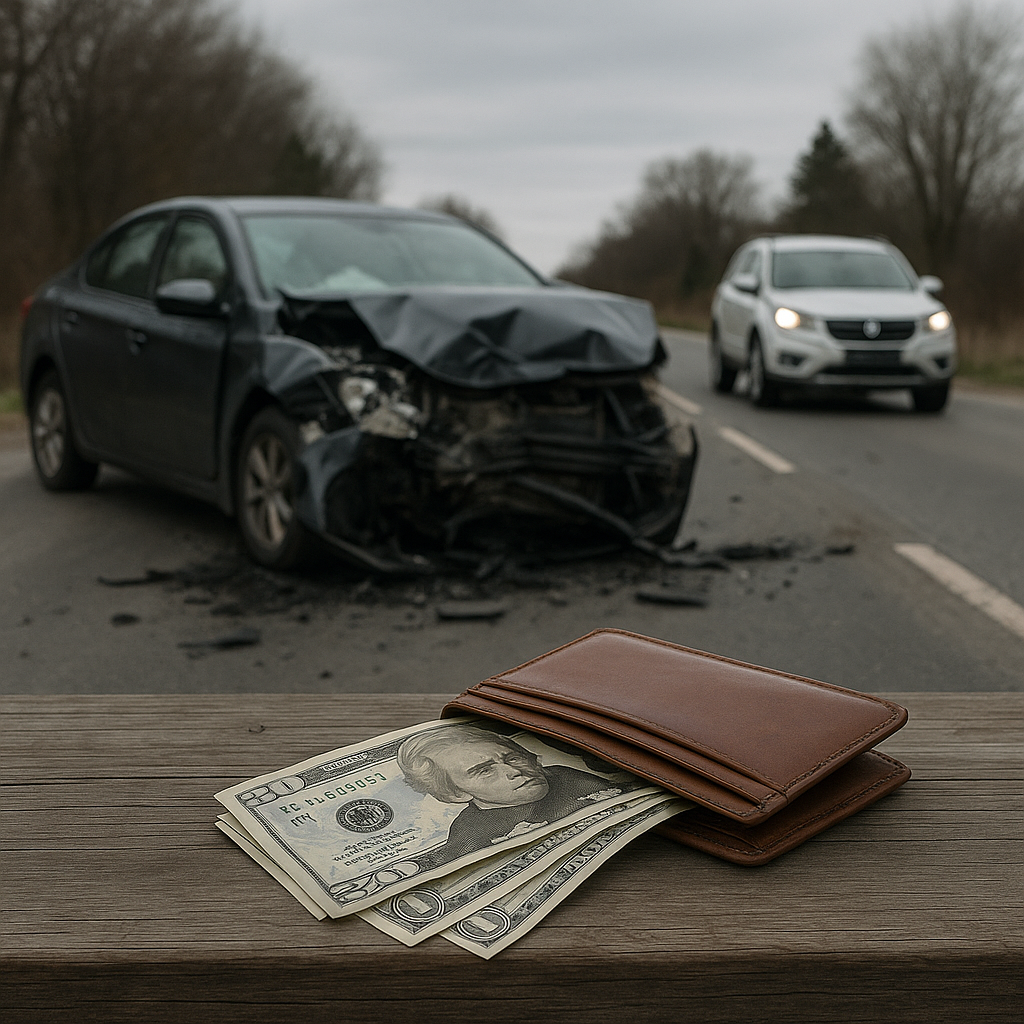
Why Do I Feel Anxious About Money After the Crash?
Why This Question Is Common After Severe Accidents
Experiencing a significant car crash or accident often leads to a cascade of concerns that extend far beyond the immediate aftermath. Among the many questions that can arise, one that frequently lingers is: “Why do I feel anxious about money after the crash?” This sense of anxiety is a shared experience for many individuals following severe accidents. The immediate shock of the event can give way to a range of practical and emotional worries, making financial anxiety a prominent, if sometimes unexpected, response.
There are several reasons this question stands out. Insurance deductibles, repairs, potential legal costs, lost income, and medical bills all combine to create a sense of overwhelming financial uncertainty. Even for those with robust insurance or savings, the unpredictability of future expenses can fuel ongoing worry. In many cases, the accident disrupts daily routines and work life, directly affecting personal finances. This shift brings financial concerns to the forefront, often compounding the overall stress of recovery.
Moreover, an accident can be a sudden, uncontrollable event, highlighting vulnerabilities in areas such as employment, transportation, or overall financial stability. These vulnerabilities often become more apparent during recovery and daily adjustments, prompting individuals to question their current and future financial position.
Clear Neutral Explanation
The experience of feeling anxious about money after a crash stems from a natural intersection of uncertainty, practical concerns, and emotional responses. Severe accidents often create a ripple effect, influencing multiple areas of life that are closely tied to finances.
After a crash, routine expenses can change, sometimes suddenly. There may be unexpected or hidden costs linked to vehicle damage, medical evaluations, therapy, or temporary alternatives for transportation. Insurance claims may take time to process, and outcomes can be uncertain. These factors alone can produce a sense of insecurity about whether immediate and upcoming financial demands can be met.
Employment and income stability frequently come into question following an accident. Time away from work, either for recovery or logistics, can mean lost wages or even jeopardize job security. For those who are self-employed or work hourly jobs, these effects may be magnified, as there might not be built-in safety nets like paid sick leave. The anticipation of these practical changes can contribute to ongoing stress regarding money, which is a practical and emotional response to altered financial circumstances.
There is also a psychological aspect to consider. An accident can serve as a stark reminder of life’s unpredictability. This awareness can bring financial fears to the surface — not only about current needs, but also about what might happen in the future. For many, crashes act as a catalyst, prompting re-examination of savings, debt, or personal financial security even if those areas seemed manageable before the incident.
Helpful Emotional Context
It is common to experience heightened emotions around money after a crash because money often represents security and control — two things that are profoundly shaken by an accident. The physical and emotional upheaval of a crash can leave individuals feeling unstable or vulnerable, and these feelings tend to latch onto tangible concerns like financial stability.
This emotional reaction can be compounded if there is a sense of guilt, self-blame, or concern for others affected by the accident. Worrying about the financial impact on family members, for example, can add an extra layer of complexity to money-related anxiety. Additionally, the recovery process may involve difficult decisions about priorities and tradeoffs to manage resources, which can further heighten stress.
For many, these emotions can sometimes feel disproportionate or difficult to articulate. This is a normal cognitive response: the brain, already in a heightened state due to trauma, tends to amplify concerns about survival and security. Since money is closely tied to both, anxieties about finances after an accident are often experienced more acutely.
Common Misconceptions
One misconception is that financial anxiety after a crash is the result of personal failure or poor financial planning. In reality, even well-prepared individuals can experience significant anxiety in such circumstances simply due to the unpredictable nature of accidents and their far-reaching effects. Crashes often introduce new variables that were not part of any prior planning, making some financial strain or anxiety almost inevitable.
Another common misconception is that these feelings should resolve quickly once immediate bills or insurance claims are settled. In practice, apprehension about money can persist for some time, especially if there are ongoing health, legal, or employment uncertainties. The emotional aftermath of an accident is complex and can influence how one perceives financial stability for months or even years afterward.
Finally, some might assume that financial anxiety after a crash is not “valid” if the accident does not result in catastrophic losses. However, the scale of the crash does not necessarily dictate the legitimacy of emotional responses. Small incidents can produce large anxieties, depending on personal circumstances and previous experiences with security and stability.
Closing Paragraph
Feeling anxious about money after a crash is a multifaceted reaction, shaped by the interplay of practical realities and emotional responses. Crashes introduce uncertainty and disruption into areas of life where routine is often equated with security. These events naturally prompt consideration and concern about finances, regardless of prior planning or the apparent scale of the incident. Recognizing the commonality and complexity of these feelings can be the first step toward understanding and managing the broader impact that such life events can have, both practically and emotionally.