
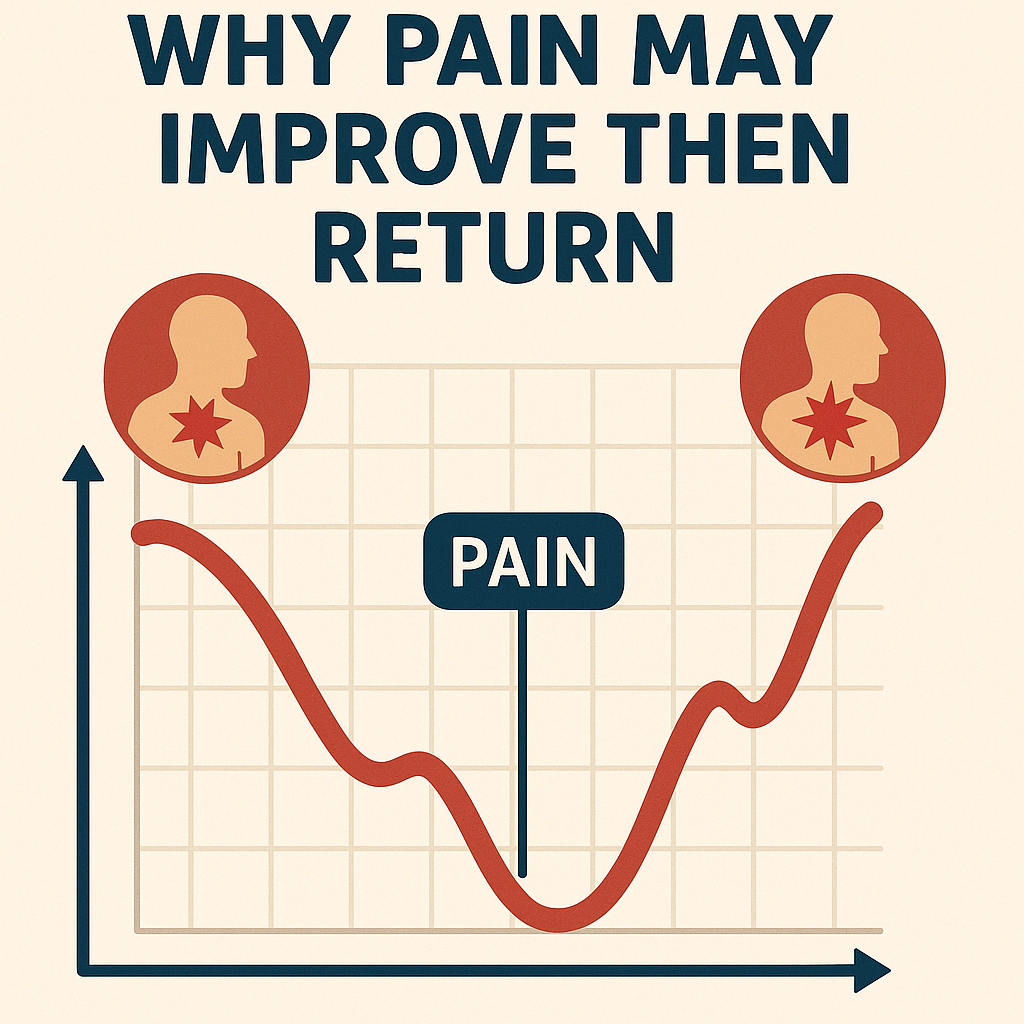
Why Pain May Improve Then Return
Pain is a complex experience that can follow unpredictable patterns, especially after incidents such as truck accidents. Many people notice that their discomfort feels better for a while—only to reappear days or weeks later. Understanding why pain improves then returns can help individuals better monitor their symptoms, communicate with professionals, and manage expectations.
Why symptoms can appear after truck accidents
Truck accidents, even those that seem minor at first glance, can subject the body to significant forces. Not all symptoms make themselves known immediately. The adrenaline and shock of a collision may temporarily mask discomfort or injury. When the body’s immediate stress response settles, underlying symptoms sometimes surface.
Additionally, symptoms after truck accidents may develop as the body adjusts. Soft tissue, joints, and the nervous system can react unpredictably to trauma. A person might initially walk away from an accident feeling fine, only to wake up the next day or even several days later with stiffness, soreness, or headaches.
It’s common for the onset of symptoms to be delayed, variable, or not match the severity of the crash. This variation often leads people to wonder why pain improves then returns during their recovery.
Common symptom patterns (no medical instructions)
After a truck accident, the pattern of symptoms can vary widely. Some common experiences include:
1. Delayed Onset Pain:
It’s not unusual for discomfort to be absent or minimal during the first hours or even days following an accident. Once the initial adrenaline rush passes, aches and stiffness can begin.
2. Fluctuating Symptoms:
Many individuals describe pain that comes and goes. Some days may feel better, while on other days, aches and discomfort resurface or even intensify. Activities, rest, and stress levels can all influence these fluctuations.
3. Radiating or Shifting Discomfort:
Pain or stiffness may start in one area (such as the neck or shoulders) and then be noticed in a different area later. This shifting pattern can be related to how the body compensates for initial discomfort or altered movement after an injury.
4. Cyclical Patterns:
Some people notice a cycle—pain improves, daily routines resume, and then pain returns. This is especially common as individuals become more active during recovery.
5. Heightened Awareness:
After an accident, people may become more vigilant about physical sensations. This heightened awareness can make discomfort that was previously overlooked feel more pronounced as attention focuses on the body.
These common patterns are not cause for alarm but are part of the body’s natural response to stressors.
Why symptoms can change over time
Symptoms following a truck accident may not follow a straight-line path. Several factors can contribute to why pain improves then returns:
Healing Processes:
As the body begins to recover, tissues repair themselves at different rates. Initially, pain might subside as inflammation decreases. However, as mobility returns or new activities are attempted, discomfort can resurface.
Activity Levels:
Resting or avoiding activities may lead to an improvement in symptoms. However, when normal routines are resumed, underlying issues that weren’t obvious during rest can lead to a return of pain.
Compensatory Movements:
The body often adapts to pain by changing movement patterns. For example, a person might unconsciously favor one side when walking or moving to avoid soreness. This can place strain on other muscles and joints, resulting in new areas of discomfort.
Delayed Inflammatory Response:
Sometimes, inflammation and other biological responses take time to develop. What starts as mild soreness can later become more noticeable as the body reacts to injury on a deeper level.
Emotional and Psychological Factors:
Stress, anxiety, and sleep disturbances after a traumatic event can amplify the perception of pain. When emotional well-being fluctuates, so too can physical symptoms.
It’s key to recognize that these changes are common and often temporary. This awareness can help reduce frustration or concern when pain patterns shift unexpectedly.
When people typically start monitoring symptoms
After a truck accident, people often wait to see if discomfort will resolve on its own before paying close attention. There are several common stages when individuals tend to begin monitoring symptoms more closely:
Immediately After the Accident:
Some people start noting pain or discomfort at the scene and continue to track symptoms out of caution. This immediate awareness is sometimes driven by advice from others or the noticeable impact of the accident itself.
Within the First Few Days:
It is common for symptoms to develop a day or two later, prompting people to watch for changes. Stiffness or soreness that wasn’t apparent initially can trigger more active monitoring.
When Returning to Daily Activities:
Resuming work, exercise, or other routine tasks often highlights previously unnoticed symptoms, leading individuals to pay closer attention.
If Symptoms Fluctuate:
When pain improves then returns, many people become more vigilant. They may keep informal notes or log discomfort to discern patterns, especially if symptoms interfere with sleep, mobility, or daily life.
In Response to Concern from Others:
Family members, friends, or employers might suggest paying closer attention if changes in behavior or mobility become noticeable.
This gradual increase in symptom monitoring is a normal response as people process their experience and recovery.
Conclusion
Recovering from a truck accident can involve a series of ups and downs, with pain that appears, improves, and sometimes returns. This pattern is influenced by physical healing, changes in activity, and stress responses. Recognizing that fluctuation in symptoms is common may help reduce anxiety and support better communication with others during recovery. Monitoring symptoms over time provides valuable insights and can help guide important decisions about self-care and returning to normal activities.