
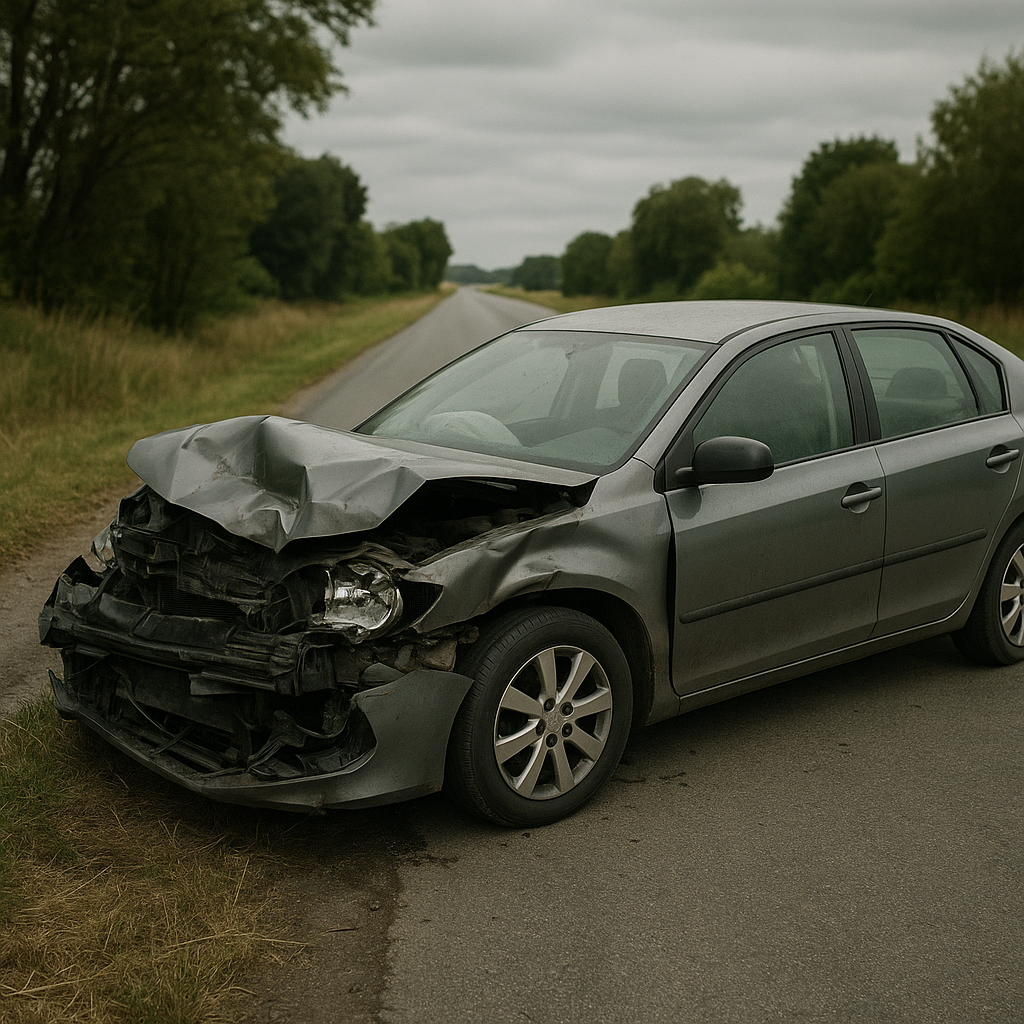
Why Do I Feel Exhausted All the Time After the Crash?
Why This Question Is Common After Severe Accidents
Feeling “exhausted all the time after a crash” is a concern shared by many people recovering from severe accidents. Whether the incident involved a car, a fall, or any sudden traumatic event, persistent exhaustion is frequently reported. This question arises because the expectation of recovery is often associated with visible injuries healing, like bruises fading or broken bones mending. Yet, when the physical wounds begin to heal, overwhelming and persistent tiredness may remain.
Many individuals are unprepared for how long fatigue can linger. Friends and family may wonder why someone appears so worn out weeks or even months later. This divergence between the visible signs of recovery and the ongoing, invisible sense of exhaustion often prompts people to seek answers. It is a question woven with confusion, concern, and the hope for reassurance.
Clear Neutral Explanation
Post-crash exhaustion is rarely related to just one cause. Instead, it is the result of a combination of physical, mental, and emotional factors responding to trauma.
Physical Impact: During a severe accident, the body is subjected to significant physical stress, often triggering the release of stress hormones like adrenaline and cortisol. While these hormones are beneficial in the moment (helping with alertness or pain masking), processing and recovering from their effects can drain the body long after the event itself. Healing from even minor injuries requires considerable energy, as the immune system and tissues work to restore normal function.
Mental Load: The mind is also affected by the traumatic experience. Replaying the incident, trying to make sense of what happened, and dealing with possible changes in routine or ability all take a cognitive toll. This mental exertion compounds feelings of tiredness, further amplifying the sense of being “exhausted all the time after crash.”
Emotional Recovery: The emotional shock of an accident should not be underestimated. Shock, anxiety, or low mood are common after a severe crash. All three emotional states can directly influence energy levels. This emotional processing is a quiet but constant energy drain.
Sleep Disruption: Many individuals recovering from a crash experience changes in their sleep patterns. Pain, discomfort, nightmares, or heightened anxiety often make restful sleep elusive. Without restorative rest, energy levels naturally suffer, sometimes creating a cycle of tiredness that feels impossible to break.
Chronic Stress Response: For some, the body’s stress response system remains on high alert long after immediate danger has passed. This can lead to ongoing muscle tension, shallow breathing, and even changes in heart rate—all of which are taxing over time. The body is, in effect, spending energy to “stay ready,” leaving less in the tank for daily activities.
Helpful Emotional Context
Experiencing exhaustion after a traumatic event is both natural and common. Feeling alarmed, frustrated, or even guilty about ongoing tiredness is a widespread emotional reaction. The sudden drop from the surge of adrenaline during the accident to daily life can be jarring. There may be worries about falling behind at work, letting down loved ones, or not “bouncing back” fast enough.
Additionally, exhaustion can bring feelings of isolation. It often seems like others who have not experienced an accident do not fully understand why normal routines feel so difficult. These emotions are normal, given the intense combination of physical and psychological factors at play.
Recognizing that such tiredness is not a sign of weakness or a character flaw, but rather a documented response to trauma, can be quietly reassuring. Being gentle with oneself is an understandable impulse.
Common Misconceptions
A number of misconceptions surround the experience of feeling exhausted all the time after a crash:
– “If my injuries are healing, I should be getting my energy back.” Recovery is rarely so simple. The body might look mended while it is still allocating resources toward deeper healing and emotional recovery.
– “Only severe or visible injuries cause exhaustion.” Exhaustion can occur regardless of how “serious” visible injuries are. The body’s reaction to trauma is not always tied to severity as judged from the outside.
– “It’s all in my head.” While mental and emotional factors play a role, post-crash exhaustion is a complex interaction between mind, body, and the healing system. It is a real, physiological response to stress and trauma.
– “If I try harder, I won’t feel so tired.” Persistence and effort do not always counteract the body’s needs. Rest and recovery operate on their own timeline.
Recognizing these misconceptions can relieve misplaced guilt or frustration that may come with lingering fatigue.
Closing Paragraph
Feeling “exhausted all the time after a crash” is a multi-layered experience shaped by physical healing, emotional processing, and the mind’s response to trauma. This fatigue is a common, normal part of recovery that exists beyond what is immediately visible. The body and mind both need time and space to restore balance. Each individual’s journey through recovery is unique, written by the complex interplay of trauma, healing, and adaptation. Understanding this process can quietly reaffirm that the path through post-crash exhaustion follows its own natural course.