
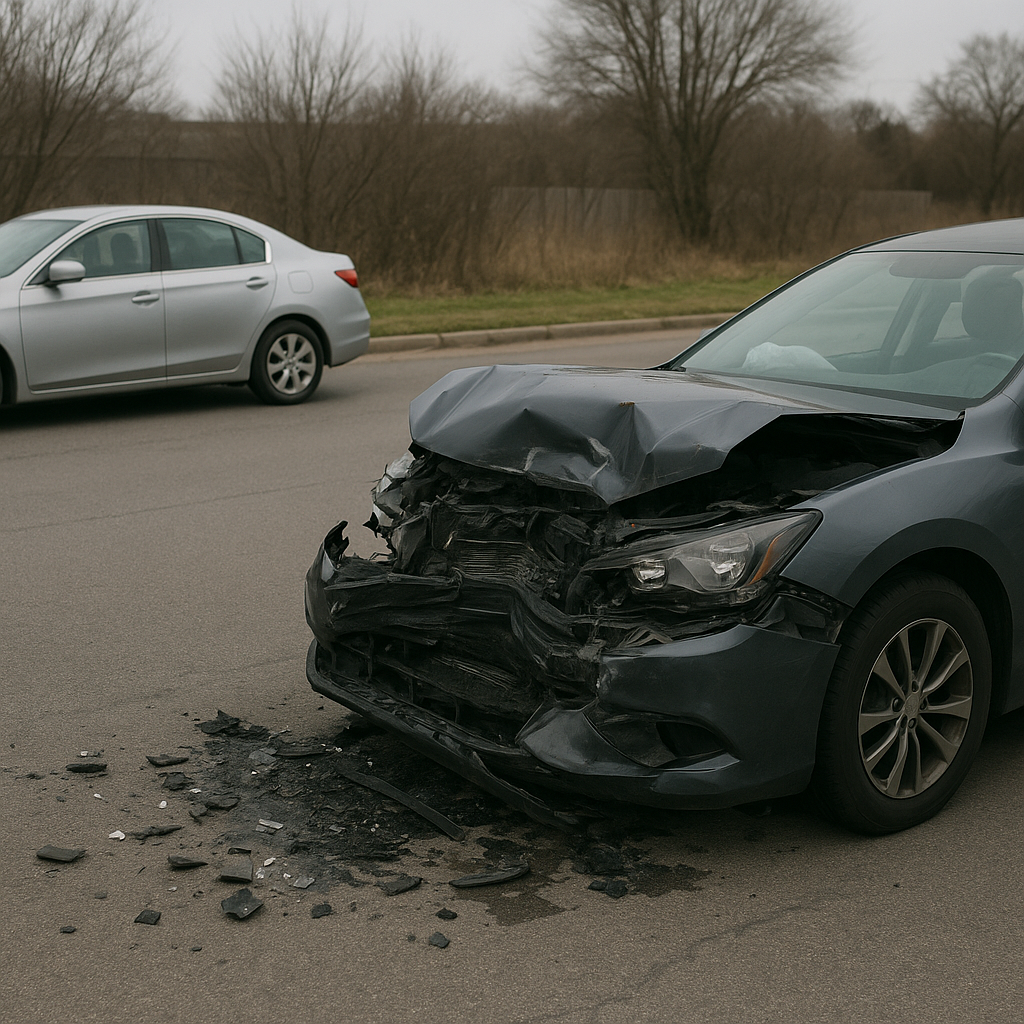
Why Do I Avoid Being in Cars After the Accident?
Why This Question Is Common After Severe Accidents
Experiencing a car accident can have a profound and lasting impact, even after physical recovery. Many people, after being involved in a traumatic car incident, find themselves asking, “Why do I avoid being in cars after the accident?” This question is both common and understandable, especially in the aftermath of severe accidents where both emotional and psychological effects come into play.
Surviving an accident often changes the way one perceives everyday activities that were once routine, like riding in a car. What was previously a mundane part of daily life can suddenly feel overwhelming, unpredictable, or even dangerous. For many, avoidance becomes a noticeable pattern — skipping social gatherings, finding alternative ways to commute, or turning down car trips altogether — and this shift in behavior can prompt deeper self-reflection.
This reaction surfaces for individuals across all age groups and backgrounds. Whether one was driving or a passenger, accidents can alter familiar surroundings, changing not only external circumstances but internal responses as well. As a result, it’s common to wonder about the reasons for this change, especially when there is a desire to regain comfort or confidence in cars.
Clear Neutral Explanation
The tendency to avoid being in cars after an accident can often be understood through the lens of the mind’s response to trauma. When someone experiences a distressing event, such as a car crash, the brain works to protect itself from perceived threats. Memories of the event, along with the emotions and physical sensations tied to it, can become closely associated with cars or driving environments.
This association can trigger a state of heightened alertness, known as hypervigilance, whenever thoughts of being in a car arise. The body may respond with increased heart rate, muscle tension, and feelings of unease, even in the absence of immediate danger. These are known as stress responses, and they can make the idea of being in a car feel uncomfortable or even frightening.
Avoidance is a common reaction to these uncomfortable feelings. It may occur unconsciously, with individuals choosing not to enter cars to prevent the possibility of reliving distressing memories or sensations. In many cases, the avoidance is not just about the fear of another accident, but also about steering clear of reminders — such as specific sights, sounds, or even routes — that are connected with the original incident.
Over time, this pattern is reinforced. Each time someone chooses not to get into a car, it can provide a temporary sense of relief, which may solidify the avoidance as a coping mechanism. Thus, it is not unusual to find oneself regularly making choices that limit exposure to cars, even when practical circumstances require otherwise.
Helpful Emotional Context
The emotions surrounding car accidents are complex and deeply personal. Fear and anxiety commonly arise after trauma, often coupled with feelings of vulnerability or helplessness. It’s not uncommon to experience sadness, anger, or even guilt — especially if others were affected by the accident, or if one questions their own actions during the incident.
For many, cars become more than just vehicles. They can symbolize safety, risk, control, or loss — shaped by each individual’s unique experience. After an accident, the emotional landscape shifts. Places that once felt safe might start to seem unpredictable or threatening, leading to a persistent sense of unease in driving environments.
Memories can be vivid and intrusive. The mere thought of being back inside a car can spark reminders of the accident, accompanied by emotional responses that feel immediate and overwhelming. These emotional echoes are natural and can take time to settle. For some, avoiding cars is not simply about physical safety, but also about emotional self-preservation.
Common Misconceptions
There are several misconceptions surrounding the avoidance of cars after an accident. One prevalent belief is that anyone who continues to avoid cars is simply being irrational or overly cautious. However, such behaviors are rarely a matter of choice or willpower; they are rooted in deep-seated emotional and physiological responses to trauma.
Another misunderstanding is that avoidance only occurs in individuals who were severely injured or visibly affected. In reality, even those who walk away from an accident without apparent physical harm can experience profound psychological aftereffects.
There is also a notion that avoidance always fades quickly over time, but responses to trauma do not follow a set timeline. The degree and duration of discomfort can vary widely from person to person, depending on factors such as prior experiences, the nature of the accident, and individual coping styles.
Finally, some assume that simply “pushing through” discomfort is all that’s needed to regain comfort. This view overlooks the complexity of trauma responses and the time it can take for the mind and body to re-establish trust and a sense of safety.
Closing Paragraph
The tendency to avoid being in cars after an accident is a common and natural response to trauma. While everyday routines may change and emotions may feel unpredictable, these reactions are part of the mind’s effort to process and respond to distressing experiences. Recognizing this pattern can be an important part of understanding one’s own feelings and responses, offering insight into the ways trauma shapes behavior and perception after such significant life events.