
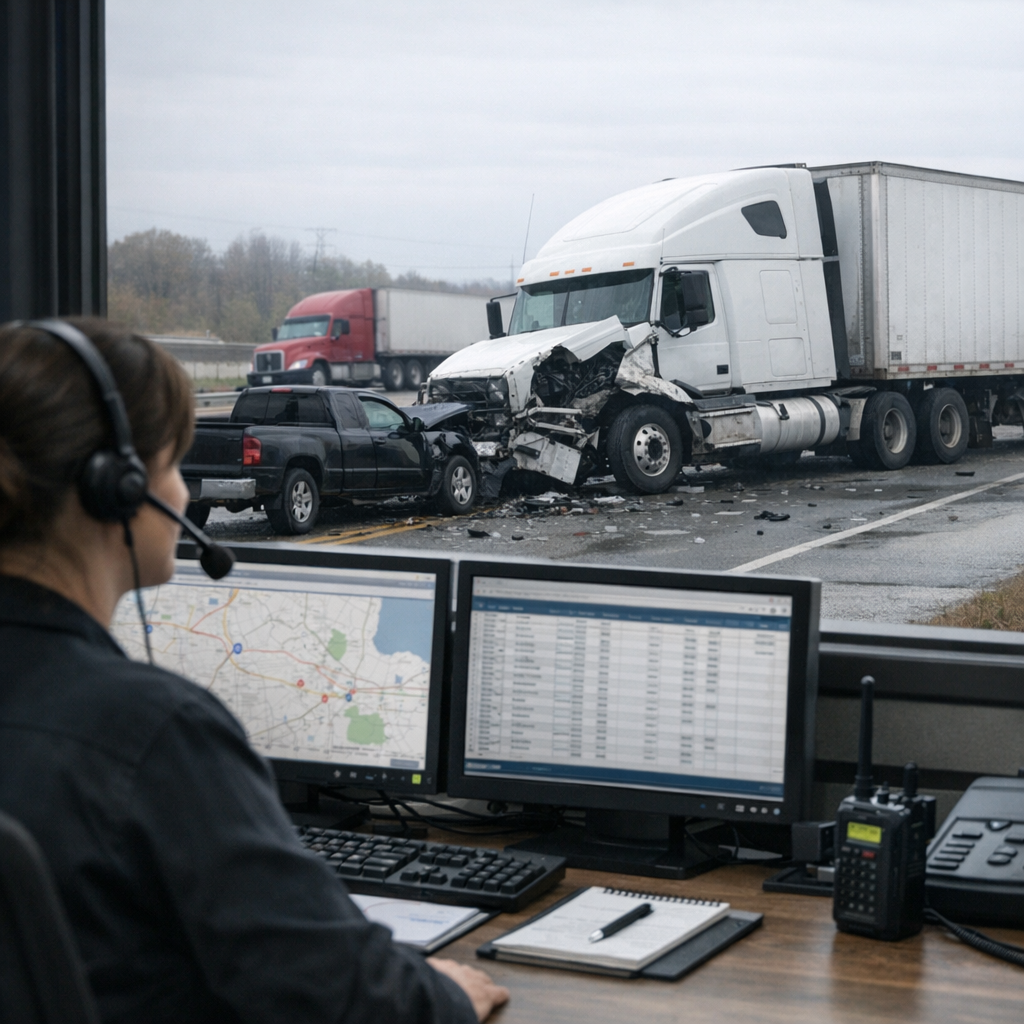
What Role Dispatchers Play in Truck Accidents
Introduction to the Topic and Why It Matters in Truck Accidents
In the transportation industry, the smooth operation of truck fleets relies heavily on dispatchers. These professionals manage schedules, routes, and communication between drivers and companies. Understanding the dispatcher role in truck accidents is important because their decisions and actions can sometimes influence what happens on the road. This article will explain how dispatchers may be involved in such incidents and why it’s a topic worth considering for companies, drivers, and anyone affected by truck accidents.
Key Information Related to the Topic
Dispatchers serve as a key link in truck operations. Their responsibilities include planning routes, assigning loads, monitoring driver status, and ensuring deadlines are met. The dispatcher role in truck accidents can relate to the instructions they give, the information shared with drivers, and how they react during an emergency.
Important Factors, Causes, or Details
Several factors could connect a dispatcher’s actions to a truck accident:
– Scheduling Pressure: Dispatchers may sometimes set tight delivery timelines to meet business demands. This can inadvertently encourage drivers to rush or bypass required rest breaks.
– Route Planning: Incorrect or last-minute route changes can send drivers onto unfamiliar or hazardous roads.
– Communication: Delayed, unclear, or misunderstood messages between a dispatcher and driver may lead to confusion or mistakes behind the wheel.
– Compliance Oversight: If dispatchers fail to properly track or enforce regulations such as required rest periods, drivers might unknowingly violate rules, increasing accident risk.
Potential Impacts or Outcomes
The influence of dispatchers in these situations can lead to various outcomes:
– Drivers may feel pressured to take risks, such as speeding or skipping rest breaks.
– Regulatory violations could make companies liable for fines or investigations.
– If dispatcher actions contributed to an accident, they could become a focus in incident reviews or legal proceedings.
General Considerations After a Truck Accident
Following any truck accident, it is important to gather all available information, including communication logs, delivery schedules, and instructions from dispatchers. Understanding the timeline and content of dispatcher-driver interactions can help clarify what happened.
Awareness of Options and Support Available After an Accident
After a truck accident, those involved—drivers, companies, or others—may have questions about their options. These might include seeking advice from industry professionals or legal experts to understand responsibilities and next steps. Various support systems, such as counseling, safety programs, or legal assistance, may also be accessible.
Closing Informational Summary
To sum up, dispatchers play an essential behind-the-scenes role in truck operations that can sometimes affect accident risk. By understanding the dispatcher role in truck accidents, everyone involved can work towards safer outcomes and better communication. If a truck accident occurs, staying informed and knowing where to seek help or guidance can make the process clearer and less stressful.