
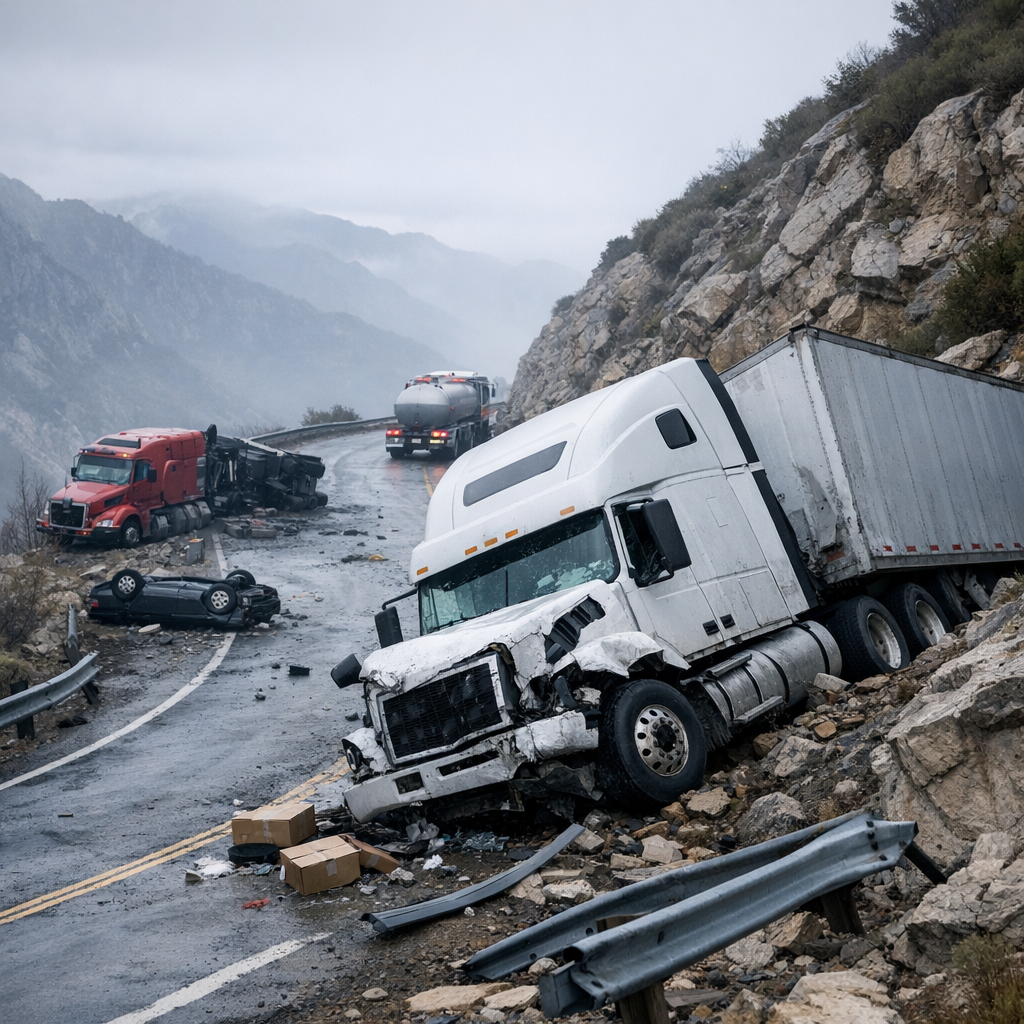
What are the Most Dangerous Trucking Routes
Introduction to the Topic and Why It Matters in Truck Accidents
Truck drivers play a crucial role in keeping businesses running and communities supplied. However, the routes they travel can sometimes pose serious risks. Understanding the most dangerous trucking routes is important because these roads see more accidents, putting both truck drivers and other motorists at risk. Knowing where these hazards exist can help drivers stay cautious and plan safer trips.
Key Information Related to the Topic
Certain highways and interstates in the United States are well-known for being hazardous for large trucks. Whether due to geography, weather, congestion, or design, these routes experience more frequent accidents and difficult driving conditions.
Important Factors, Causes, or Details
Several factors contribute to making some trucking routes more dangerous than others:
– Heavy traffic: Busy interstates, especially near large cities, can make maneuvering a large truck more challenging.
– Steep grades and winding roads: Mountainous regions often have sharp turns, steep inclines, and sudden weather changes.
– Poor road conditions: Potholes, narrow lanes, and lack of proper signage can increase accident risks.
– Weather: Routes that cross through areas with frequent snow, fog, or rain are more hazardous.
Some highways commonly listed as the most dangerous include:
– I-95 (East Coast): High traffic and congestion lead to many accidents.
– I-70 (Colorado): Steep mountain passes and sudden weather changes.
– US Route 1 (Florida to Maine): Numerous intersections and high accident rates.
– I-10 (Southern U.S.): Long, isolated stretches prone to driver fatigue.
Potential Impacts or Outcomes
Dangerous trucking routes accidents can have significant consequences. These may include roadway closures, delayed shipments, injuries, or worse. Even minor accidents can lead to major delays and increased stress for everyone involved.
General Considerations After a Truck Accident
If an accident happens on one of these routes, safety is the immediate priority. Moving to a safe location, checking for injuries, and contacting emergency services are essential first steps. It is also important to document the scene and gather information for any future needs.
Awareness of Options and Support Available After an Accident
After a trucking accident, individuals may want to seek medical attention, notify their employer, and explore possible support such as insurance claims. Some people also consider professional or legal assistance to better understand their rights and options. There are various organizations and resources available to help guide people through the recovery process.
Closing Informational Summary
While certain routes are known to be more dangerous for trucks, awareness and proper precautions can make a difference. Understanding the risks, preparing adequately, and knowing what steps to take following an accident can help keep everyone safer on the road. Staying informed empowers both drivers and the public to navigate dangerous trucking routes accidents as safely and calmly as possible.