
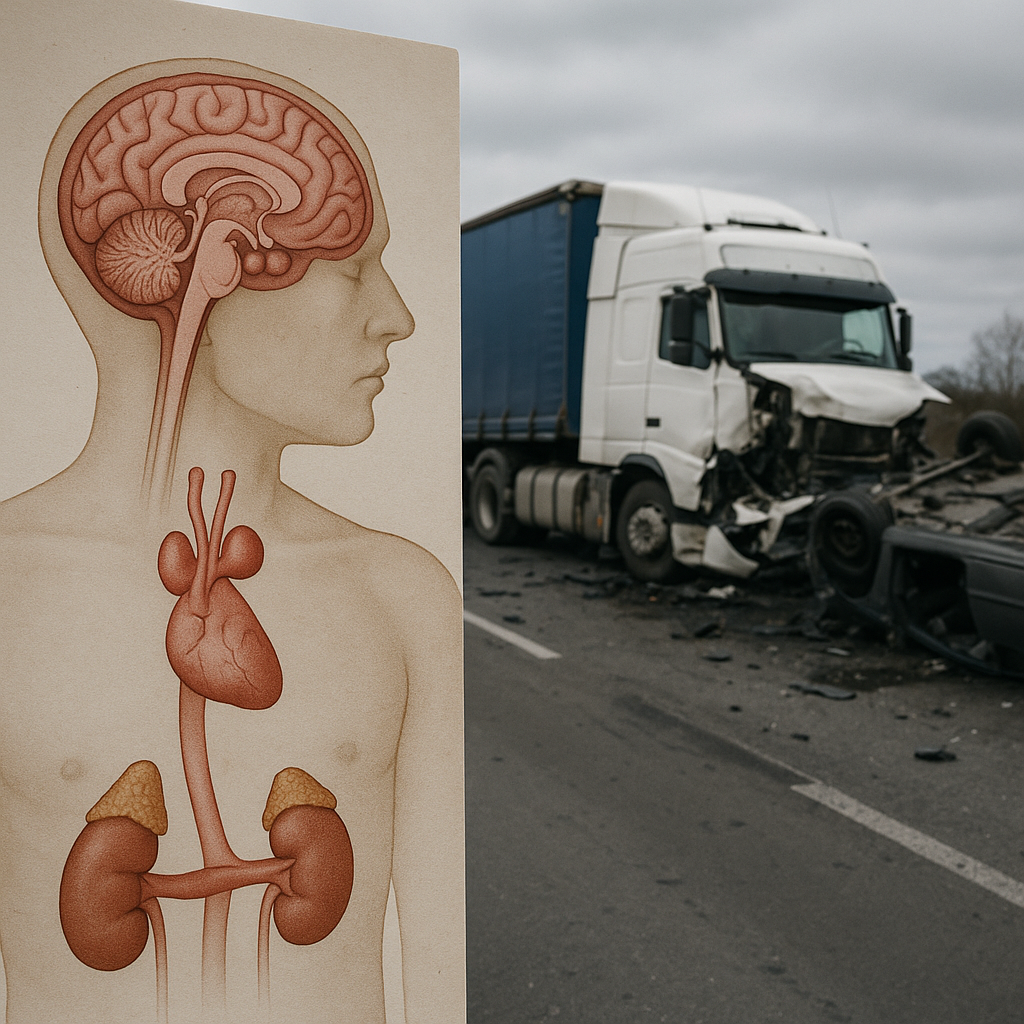
Understanding Stress Hormones After a Truck Crash
Experiencing a truck crash can be profoundly traumatic, both physically and emotionally. In the aftermath, many individuals find themselves dealing with a wave of stress responses, some of which are governed by powerful hormones released by the body during and after trauma. These stress hormones, especially when experienced in the context of a truck crash, can disrupt sleep, drain energy, and affect focus long after the event is over. Gaining an understanding of the role these hormones play can help people better recognize what they’re going through and take steps towards recovery.
Overview of Stress and Sleep Disruption After Trauma
When the body is subjected to a traumatic event like a truck crash, it activates its acute stress response, often called the “fight-or-flight” response. Central to this process is the release of stress hormones—primarily adrenaline and cortisol—which prepare the body to face immediate danger. While these hormones are necessary for rapid reaction and survival, their lingering presence can cause problems as the physical threat subsides.
After the immediate shock of the crash, many individuals report intrusive memories, hyper-alertness, mood swings, and pronounced difficulties with sleep. These symptoms can persist for days, weeks, or even longer, depending on the person and the severity of the experience. One of the most common and disruptive outcomes is the disturbance of normal sleep cycles, which in turn influences energy, cognitive functioning, and emotional resilience.
Common Sleep-Related Issues People Report
Sleep is often one of the first areas affected by elevated levels of stress hormones following a traumatic event like a truck crash. People may experience a range of sleep-related issues, including:
– Difficulty falling asleep: With heightened arousal, racing thoughts, or intrusive memories, relaxing enough to initiate sleep can be challenging.
– Frequent waking: Even if sleep occurs, it may be light and easily disrupted. Individuals might awaken multiple times throughout the night—sometimes from nightmares related to the crash.
– Early morning wakefulness: Some people find themselves waking up much earlier than usual, unable to return to sleep, feeling alert but exhausted.
– Restless or poor-quality sleep: The release of stress hormones such as cortisol can prevent the body from entering the deep, restorative stages of sleep. This means that even a full night in bed may not provide the refreshment it usually does.
These sleep disruptions can compound the stress response, creating a cycle that influences daily functioning and makes recovery more difficult.
Stress Cycle Effects on Energy and Focus
When the body’s stress system is activated, it prepares to deal with a perceived threat by releasing adrenaline, which increases heart rate, and cortisol, which raises alertness and affects metabolism. After a truck crash, these hormones can continue circulating in the body, keeping it “on guard” even after the immediate danger has passed.
This persistent state of hyper-arousal can have several effects on energy and focus:
– Fatigue and exhaustion: Paradoxically, while stress hormones are meant to energize, their continued activation without physical exertion depletes the body’s resources, leading to feelings of fatigue and physical exhaustion.
– Impaired concentration: The mind may fixate on the traumatic event, or simply find it difficult to focus on everyday tasks. Disrupted sleep further impairs attention, memory, and decision-making abilities.
– Mood swings and irritability: Consistent stress and lack of restorative sleep can make emotions harder to regulate, leading to moodiness, anxiety, or increased sensitivity to daily challenges.
Understanding these relationships can help individuals recognize that their post-accident struggles are a common physiological response to trauma rather than a personal shortcoming.
How Sleep Patterns Evolve During Recovery
Recovery from a truck crash, especially on a psychological level, is a gradual process. For most people, the acute effects of stress hormones begin to diminish as the brain and body process the trauma and adapt to the new reality. Over time, several changes in sleep patterns may emerge:
– Gradual return to normalcy: As the intensity of stress hormones fades, the body may slowly revert to typical sleep patterns. Nightmares or anxiety-related awakenings may become less frequent.
– Fluctuations in sleep: Recovery is rarely linear. Individuals might notice periods of improved sleep followed by flare-ups, particularly around anniversaries, reminders, or periods of heightened stress.
– Increased awareness and self-care: Some people become more attuned to their sleep needs and triggers. They may begin to adopt routines that support better rest, such as regular bedtimes, relaxation practices, or gentle exercise.
– Coping with residual symptoms: In certain cases, disrupted sleep and stress-related symptoms can persist. Recognizing that these are part of the healing journey is important. Over time, many individuals find that their sleep improves as they regain a sense of safety and routine.
Throughout recovery, patience is essential. The body’s responses to a truck crash—especially those involving stress hormones and sleep—are protective mechanisms that may take time to recalibrate.
Neutral Closing Paragraph
The aftermath of a truck crash brings a complex interplay of stress hormones, sleep disturbances, and changes in energy levels. By understanding how the body and mind respond to trauma, individuals can better appreciate the challenges of the recovery process and the resilience required to move forward. While these responses can be unsettling, they are a natural part of the body’s effort to cope with an extraordinary event. Awareness of the effects of stress hormones after a truck crash is a step towards compassionate self-understanding during the healing journey.