
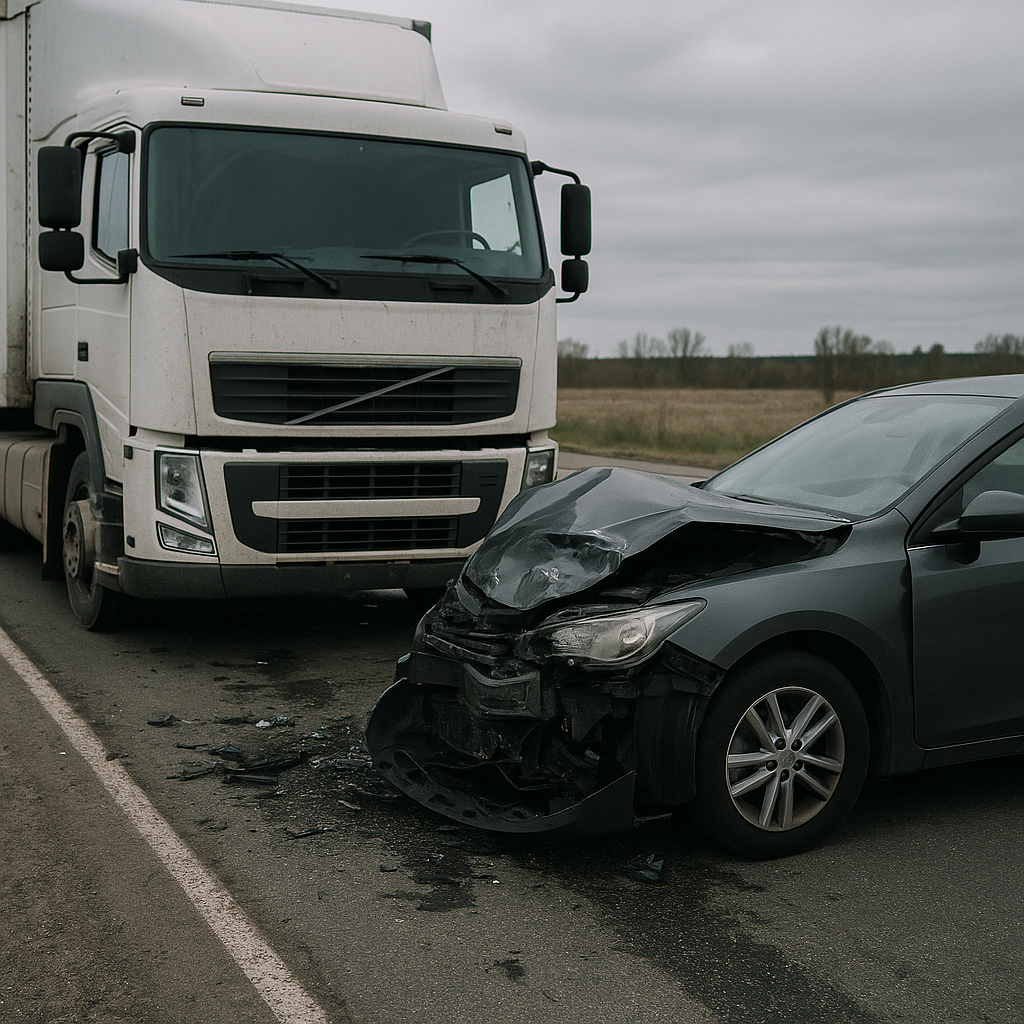
Trauma and Shame After a Semi Truck Collision
Collisions involving semi trucks are uniquely distressing events. The sheer size and force of these vehicles often means the experience is not only physically jarring, but also deeply psychologically scarring. For many individuals, surviving a semi truck accident can bring a surge of trauma and a complex sense of shame. Understanding these reactions is an important step toward processing the event and recognizing the normalcy of such feelings.
Overview of Shock and Trauma After Truck Accidents
Immediately after a semi truck collision, those involved typically experience a rush of overwhelming emotions and physical sensations. Shock is a common first response, marked by feelings of numbness or disbelief. Many people report a sense of unreality or detachment from what has just occurred. This period may last minutes, hours, or even days so the body and mind can attempt to cope with the initial impact.
Trauma, by definition, is the emotional response to a distressing event that threatens one’s sense of safety. After a truck accident, trauma symptoms can develop as a normal response to an abnormal situation. These might include flashbacks, intrusive thoughts about the accident, nightmares, anxiety, or heightened alertness. Some individuals might also notice changes in sleep patterns, appetite, or mood.
On top of trauma, people often experience shame after a semi truck collision. Shame is a powerful emotion that can make someone feel exposed, flawed, or judged—internally or by others—due to the circumstances of the crash.
Why the Body and Mind React This Way
The body and mind are equipped with protective mechanisms meant to maximize survival during and after threatening events. In the case of a semi truck collision, these mechanisms are activated automatically:
– Fight-or-flight response: The body releases stress hormones like adrenaline and cortisol to increase alertness and readiness to respond. This response is not a conscious choice, but rather a biological reaction to perceived danger.
– Emotional processing: The mind attempts to make sense of the event, sometimes cycling through disbelief, panic, or helplessness. In situations of severe distress, the mind may even temporarily “numb” certain emotions, resulting in feelings of unreality or disconnection.
– Shame as a response: Shame can emerge for a variety of reasons. Those involved in accidents may mistakenly believe they were at fault or could have prevented the incident. Social stigma about being in an accident, even when not responsible, can amplify feelings of embarrassment or self-blame.
Because semi truck accidents are often sudden and highly visible, individuals may also worry about how others perceive them. These fears can linger and magnify the initial trauma with ongoing feelings of shame that are difficult to shake.
Common Reactions People Experience
Every person responds differently after a major collision, but some of the most common trauma and shame responses include:
– Immediate numbness or disbelief: This is the body’s primary way of shielding itself from overwhelming initial pain or fear.
– Anxiety and hypervigilance: People might constantly replay the accident in their minds, avoid certain roads, or be startled by loud noises reminiscent of the crash.
– Irritability or anger: Emotional responses sometimes shift towards frustration, either directed outward or inward.
– Withdrawal and isolation: Feelings of embarrassment or self-judgment can lead individuals to avoid discussing the event or seeking support from others.
– Guilt or self-blame: Even when a person is not responsible for the accident, it’s common to second-guess their actions or feel they should have done something differently.
– Feelings of inadequacy: The belief that they failed to prevent the collision can undermine self-esteem and confidence, particularly when shame is present.
These reactions are normal and expected, even if they feel uncomfortable or confusing.
How These Reactions Can Change Over Time
The intensity and nature of trauma and shame following a semi truck collision often evolve as time passes. In the days and weeks immediately after the event, reactions may be the most severe or disruptive. Sleep disturbances, difficulty concentrating, or emotional numbness can impact daily life.
Gradually, some people notice their feelings begin to shift. Flashbacks and persistent fear may lessen in frequency, and the shock may give way to a deeper understanding of what occurred. However, for others, certain reminders of the accident—like seeing a similar truck or intersection—may continue to trigger distress or anxiety.
Shame after semi truck collisions can linger for longer periods. This emotion may morph into ongoing avoidance, reluctance to seek help, or feelings of social isolation. Some may feel uncomfortable sharing their experiences out of fear of being judged or misunderstood.
The trajectory of these responses is highly individualized. While many people find that their symptoms and sense of shame diminish with time, others discover that these feelings come and go, particularly during stressful periods or anniversaries of the event.
If these emotions feel overwhelming or persistent, it is considered normal after such a significant event. The intensity or duration of trauma and shame is not a reflection of personal weakness or failure, but rather a natural reaction to an extraordinary experience.
Closing Reassurance
Experiencing trauma and shame after a semi truck collision is a common human response to a deeply unsettling event. These reactions arise from the body and mind’s natural efforts to comprehend, process, and survive what has taken place. Each person’s path through recovery is unique, and shifts in emotional responses over time are expected. Understanding the origins of these feelings can help place them in perspective, allowing individuals to recognize that they are not alone in what they are experiencing.