
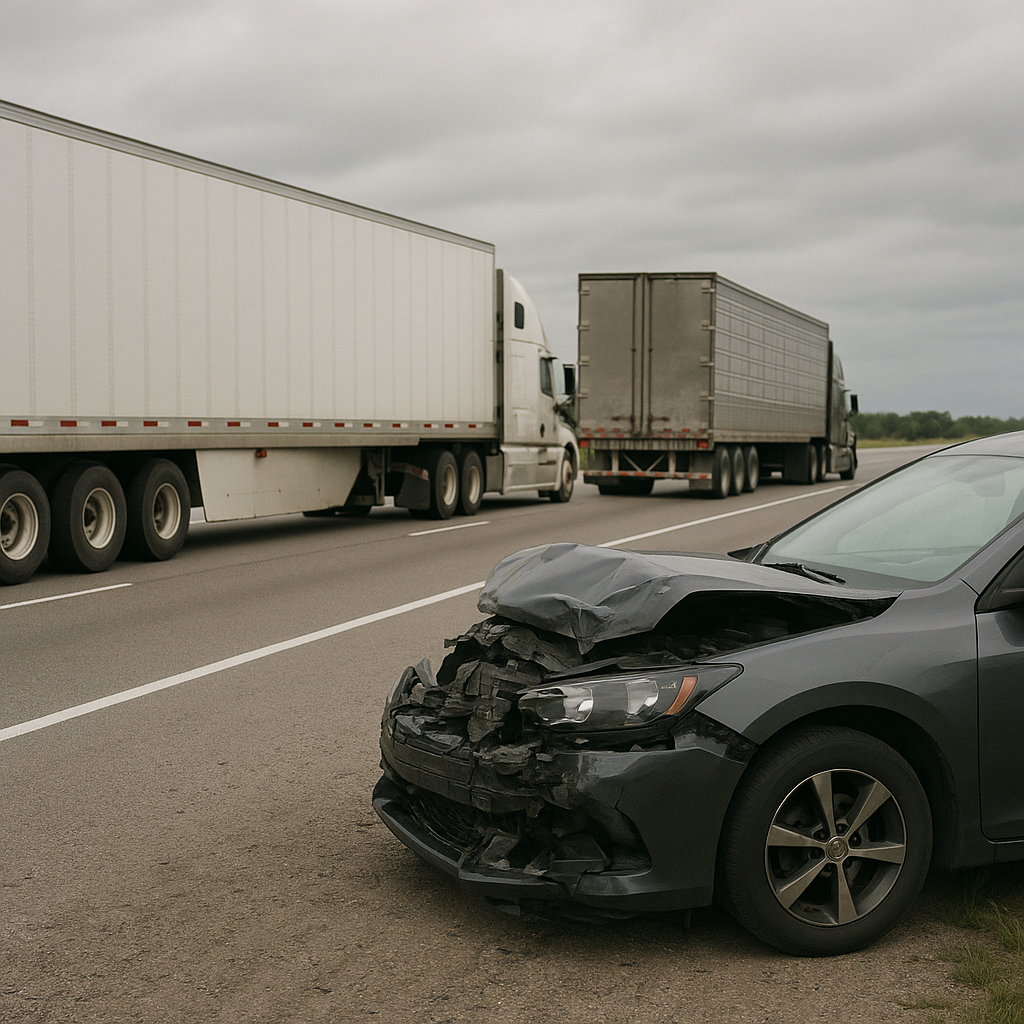
Stress Triggers from Seeing Trucks After a Crash
Experiencing a vehicular crash can leave lasting emotional and psychological marks. While the physical recovery is often visible, the less noticeable consequences—like high stress or disrupted sleep—can linger long after the initial event. For some individuals, specific sights or sounds, such as seeing trucks, can act as reminders or stress triggers tied to the traumatic experience. Understanding these triggers and their impact on daily wellbeing is key to navigating the road to recovery.
Overview of Stress and Sleep Disruption After Trauma
After a crash, it is common for survivors to grapple with elevated stress levels. The mind is highly attuned to threats following any traumatic event; this heightened sensitivity is the brain’s way of keeping you safe, but it can also become a source of constant anxiety. When the sight of a truck, for example, brings vivid memories of a crash, this stress response is activated involuntarily.
This heightened alertness, known as hypervigilance, is especially common when the trigger—a large truck passing by, rumbling noises, or simply the thought of travel—directly relates to the details of the crash. Over time, this repeated triggering can disrupt the body’s natural stress regulation mechanisms.
One of the most significant effects of these stress triggers is on sleep. Restful sleep requires a sense of safety and relaxation, both of which are challenged when the mind is on high alert. Many people find themselves reliving moments from the crash, unable to quiet their thoughts as bedtime approaches.
Common Sleep-Related Issues People Report
Sleep troubles are among the most common issues reported after a traumatic crash, especially when stress triggers like seeing trucks remain present in daily life. The following are some challenges that frequently arise:
– Insomnia: Many individuals find it hard to fall asleep or stay asleep throughout the night. Thoughts or dreams about the crash may intrude, making it difficult for the mind to settle.
– Nightmares and Flashbacks: Vivid dreams replaying aspects of the crash can interrupt sleep, sometimes making the very idea of going to bed distressing.
– Restlessness: Even when sleep does occur, people may experience a light, uneasy rest, leaving them feeling unrefreshed in the morning.
– Avoidance of Sleep: In some cases, the fear of dreaming about the traumatic event can cause individuals to put off going to bed or try to distract themselves late into the night.
It’s important to recognize that these responses are not signs of weakness, but rather natural reactions of a brain and body working to process major distress.
Stress Cycle Effects on Energy and Focus
The “stress cycle” refers to the ongoing interaction between stress triggers, physical responses, and emotional reactions. When a person encounters a reminder—such as seeing a truck after a crash—the body’s stress response is activated. Hormones like cortisol and adrenaline surge, increasing heart rate and mental alertness, essentially putting the body in a state of readiness to respond to a threat.
While useful in genuinely dangerous situations, this cycle can be exhausting when activated frequently by benign triggers. Over time, persistent stress responses can lead to:
– Chronic Fatigue: Because the body is essentially “on guard” much of the time, energy reserves are depleted quickly.
– Decreased Focus: Stress-related disruption of sleep and frequent activation of the fight-or-flight response can make it harder to concentrate during the day. Tasks that once felt routine may become more challenging.
– Irritability: Physical exhaustion and poor rest may lead to mood swings or a lower tolerance for daily frustrations.
– Difficulty with Memory: Both cognitive overload and lack of restful sleep work together to make working memory less reliable.
Recognizing these effects can help individuals feel less isolated in their experiences and more empowered to explore various coping strategies.
How Sleep Patterns Evolve During Recovery
During recovery from trauma, sleep patterns often change in a series of phases. Initially, it is normal for sleep to be disrupted frequently. This is partly because the brain is processing the memory of the event and trying to make sense of ongoing feelings of threat.
As time passes, and with careful attention to stress management and daily routines, sleep can gradually improve. Regular exposure to daily life free of direct reminders of the event often helps, but for those who encounter triggers—like seeing trucks on the road—progress can be slower and less predictable.
Key aspects of evolving sleep patterns include:
– Gradual Desensitization: Over time, repeated exposure to former triggers (whether intentional or unintentional) may lessen their emotional impact. For some, seeing trucks might eventually lose their power to provoke intense distress.
– Incremental Improvements: Sleep quality may oscillate, improving some nights and declining on others. Plateaus are common and natural during recovery.
– Establishing New Rituals: Many people develop new bedtime routines, or coping habits, to help signal to the brain that it is time to wind down. This could involve listening to calming music, practicing deep breathing, or creating a reassuring environment.
– Adaptation Over Time: As the emotional charge of crash memories lessens, usual triggers cause less disruption, allowing the sleep cycle to normalize.
Recovery is often non-linear, and fluctuating sleep patterns are a natural part of the healing process. The most important factor is staying patient and compassionate with oneself during setbacks or periods of increased stress.
In Closing
Surviving a crash can leave long-lasting impressions on the mind and body. Experiencing stress triggers from seeing trucks, along with related sleep disturbances, is a natural response to trauma. By understanding these patterns, individuals and their loved ones can navigate the journey of recovery with greater self-awareness and patience. Though the road may be winding, gradual improvements are possible, and with time, many find that the sights and sounds that once triggered intense responses become easier to manage.