
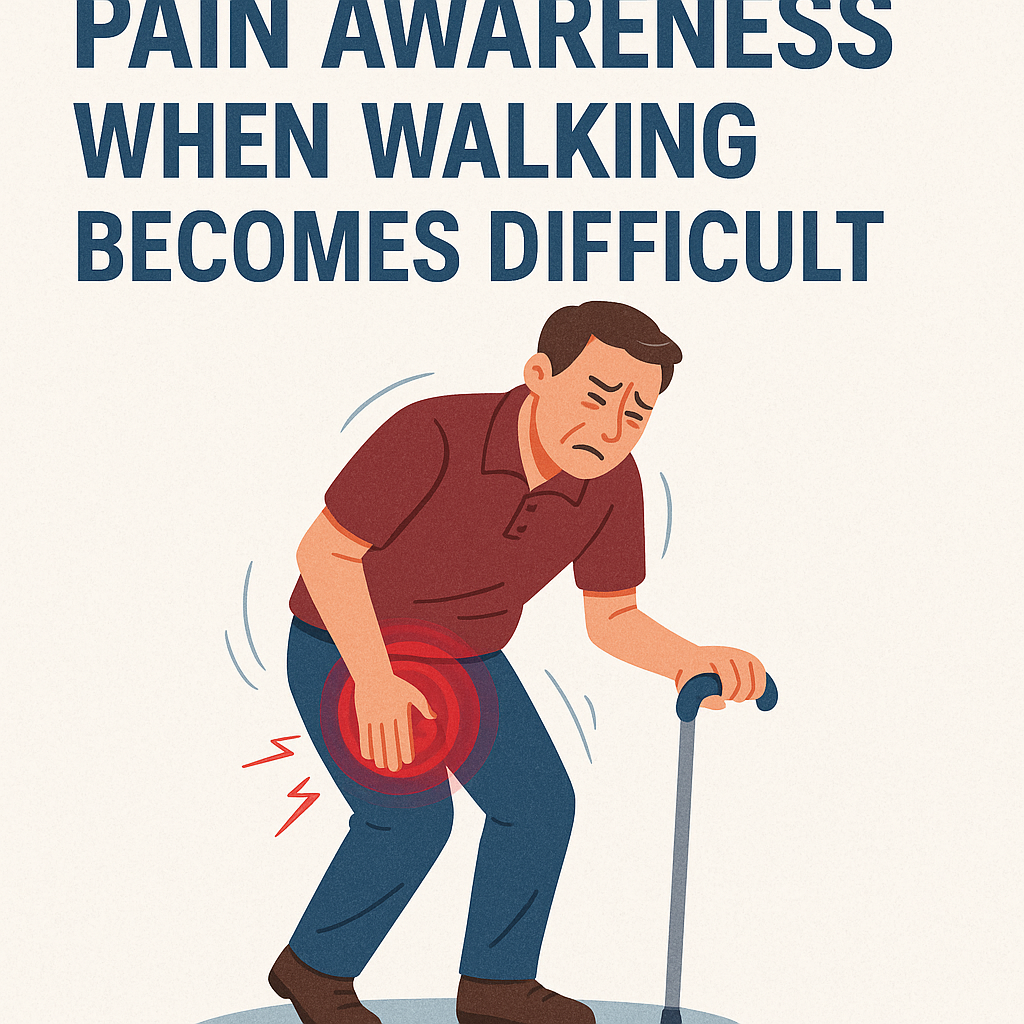
Pain Awareness When Walking Becomes Difficult
When everyday activities like walking become uncomfortable or even painful, it can significantly affect a person’s quality of life. Increased pain awareness while walking is a notable sign that something requires attention, yet people often overlook or misunderstand the causes. This article explores walking difficulty pain awareness, especially as it relates to incidents such as truck accidents, and discusses why symptoms may change and when people tend to become more vigilant about what their bodies are telling them.
—
Why Symptoms Can Appear After Truck Accidents
Large vehicle incidents, such as truck accidents, exert substantial force on a person’s body—even if no injuries are noticed immediately. The trauma from such events often creates stress throughout the musculoskeletal system. After a truck accident, even if someone feels fine at first, various factors can trigger the development of symptoms over time.
Delayed Onset
It is not uncommon for people involved in truck accidents to experience a delayed onset of symptoms. This can be due to adrenaline and shock, which temporarily mask pain and physical discomfort. Only once those protective responses subside do individuals start to notice that walking has become harder or that certain movements provoke pain.
Mechanical Changes
A truck accident can cause mechanical changes within the body, such as muscle tightness, soft tissue strain, or joint misalignment. These alterations might not produce immediate discomfort, but as inflammation or compensation patterns develop, normal walking may become difficult.
Stress and Awareness
Psychological factors also play a role. Experiencing an accident can increase an individual’s focus on bodily sensations. Being more aware of pain while walking is sometimes a byproduct of being more alert to health in general after a traumatic event.
—
Common Symptom Patterns (No Medical Instructions)
Many people report certain patterns or sensations when walking becomes painful after a significant incident like a truck accident. Understanding these symptom patterns can help individuals become more aware of changes in their own bodies.
Sensations of Stiffness or Heaviness
People often describe their legs or hips as feeling heavy or stiff, which makes every step require more effort. Sometimes, there is a sensation of the joints “catching” or feeling less flexible than before the accident.
Localized or Radiating Pain
Some experience pain localized to a specific area, such as one knee or hip, while others may notice discomfort radiating along the leg, making walking progressively harder the further they go.
Loss of Balance or Instability
A new difficulty with balance or a sensation that the leg might “give way” can develop. This is often particularly noticeable when turning, walking on uneven surfaces, or going up and down stairs.
Changes in Walking Pattern
People sometimes become aware that they are walking differently—maybe limping or favoring one side—without initially realizing why. Over time, this altered movement may cause additional discomfort elsewhere in the body.
—
Why Symptoms Can Change Over Time
Walking difficulty pain awareness is rarely static; symptoms can fluctuate and evolve after their initial onset. There are several key reasons this may occur.
Compensation Patterns
When one part of the body is uncomfortable, people often (consciously or unconsciously) shift their weight or modify their gait to avoid pain. These adaptations can place new strains on other muscles and joints, resulting in additional or shifting pain sensations over time.
Inflammatory Processes
After a physical trauma, inflammation may increase gradually. This process can make discomfort more apparent a few days or even weeks after the event, rather than immediately.
Healing and Activity Levels
As individuals resume regular activities or attempt to increase their activity levels following an incident, they may become more aware of limitations or pain. Conversely, periods of rest may temporarily reduce symptoms, only for them to flare up once movement resumes.
Psychological Factors
Awareness of pain can be influenced by emotional state, stress, and focus. People may be more sensitive to pain during stressful periods or after being reminded of the accident, which can alter how they perceive walking difficulty.
—
When People Typically Start Monitoring Symptoms
It is common for individuals to monitor symptoms in the days and weeks following a truck accident or similar traumatic event, but the timeline and reasons can vary.
Immediately After the Incident
Some people pay close attention to their bodies right after an accident, especially if the event was dramatic or frightening. They may note every sensation—however minor—as a potential sign of injury.
Delayed Awareness
Others might only start to notice changes after returning to daily routines. If walking to work, climbing stairs, or exercising suddenly becomes painful, this new difficulty becomes much more apparent.
During Medical Evaluations
Routine check-ups or conversations with healthcare professionals often prompt individuals to reflect on their symptom patterns. A simple question about discomfort can bring previously overlooked pain or walking changes into focus.
Onset of Secondary Difficulties
Sometimes, individuals only begin to pay attention when secondary challenges arise, such as increased fatigue, difficulties with balance, or trouble performing familiar activities. These problems often motivate a more careful assessment of pain and movement.
—
Neutral Closing Paragraph
Becoming aware of pain during walking can be an important indicator that something within the body has changed—whether due to a traumatic event like a truck accident or other circumstances. Observing how symptoms appear, develop, and fluctuate over time can provide valuable information during recovery and in daily life. Increased walking difficulty pain awareness encourages individuals to stay in tune with their own well-being, fostering a greater understanding of how the body responds to both everyday activities and unexpected challenges. While only a healthcare professional can interpret symptoms, self-awareness and attentive observation play an important role in maintaining overall health and safety.