
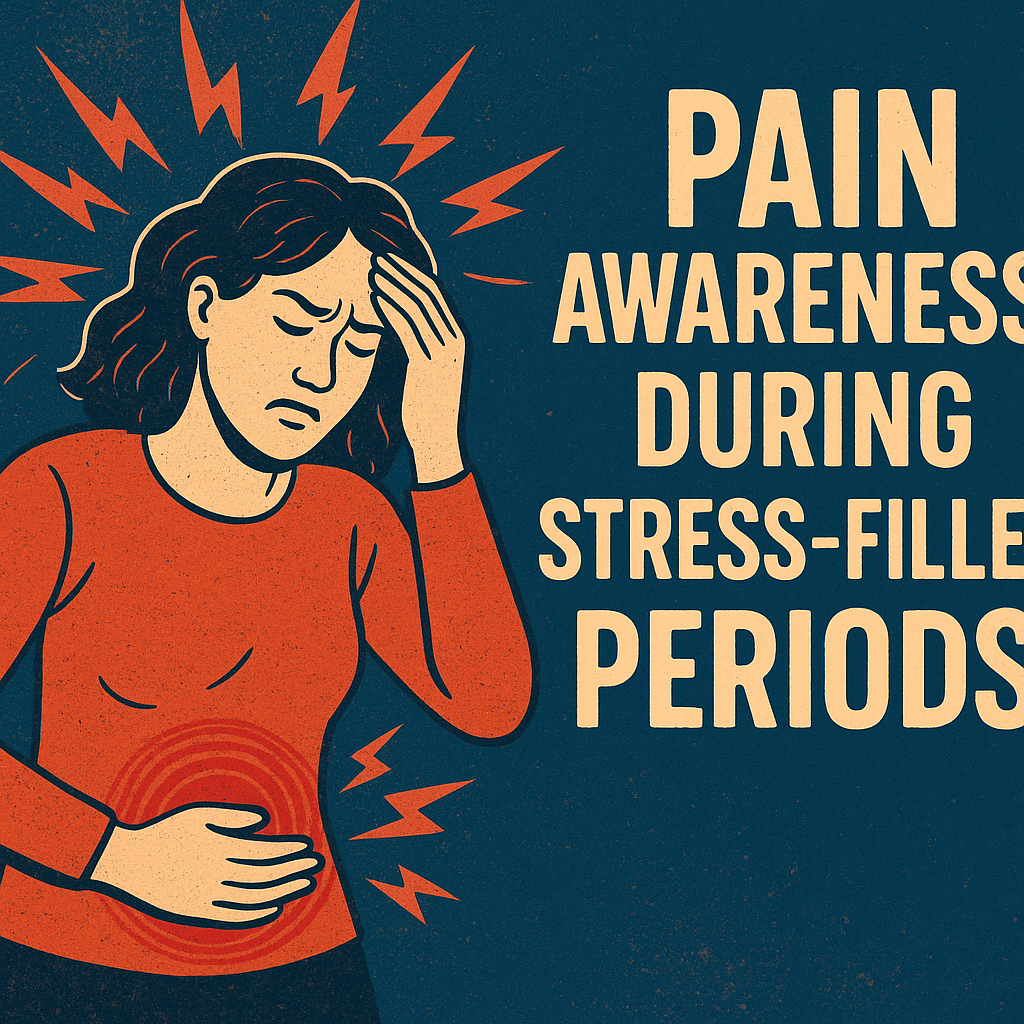
Pain Awareness During Stress Filled Periods
Stress is an inevitable part of life, arising from various sources—work, relationships, major events, or even sudden accidents. Interestingly, during particularly intense or stressful periods, many people notice physical discomfort or pain they might not have experienced before. This phenomenon, known as stress period pain awareness, has sparked much interest and curiosity. Understanding why this happens and how it unfolds over time can help people remain mindful of changes in their well-being.
Why Symptoms Can Appear After Truck Accidents
Truck accidents can be traumatic and highly stressful events that affect people both physically and emotionally. Following such incidents, individuals may not immediately register the full extent of their physical sensations. The body, in its stress response, often prioritizes immediate survival needs over pain signals, releasing stress hormones like adrenaline and cortisol. This can temporarily mask discomfort.
Once the immediate threat subsides, the mind and body start to process what has occurred. At this stage, people may become more aware of aches, tension, or other symptoms. This is a natural reaction—part of the body’s way of responding to both the injury and the psychological aftermath.
Additionally, stress itself can amplify how physical sensations are felt. Heightened alertness may cause the brain to interpret regular sensations as heightened discomfort. The focus on the stressor—in this case, the truck accident—can lead to increased scrutiny of bodily sensations. This awareness, while sometimes unsettling, is a common aftermath of a high-stress event.
Common Symptom Patterns (No Medical Instructions)
During or after a particularly stressful event, such as a traffic accident, certain patterns of discomfort may emerge. It’s important to note that these patterns do not constitute a diagnosis but rather represent common observations reported by individuals navigating stress period pain awareness.
Muscle Tension: Many people observe that their muscles feel tight, especially in the shoulders, neck, and back. This tension often correlates with the body’s “fight or flight” response, which primes muscles for action.
Headaches: Stress-related headaches, sometimes described as a dull ache or pressure, are frequently mentioned during stressful periods. They can arise from both muscle tension and shifts in routine, such as disrupted sleep.
Stomach Discomfort: The digestive system is sensitive to stress. It’s not unusual for people to notice unsettled stomachs, appetite changes, or mild gastrointestinal discomfort after stressful incidents.
General Fatigue: Even without significant physical injury, people may find themselves feeling uncharacteristically tired or worn down as their bodies and minds cope with the stress.
Increased Awareness of Pre-existing Conditions: Sometimes, conditions that had previously been manageable become more prominent. For instance, old injuries may seem to “flare up” or become more noticeable.
Remember, awareness of these changes does not necessarily mean there is a severe underlying issue; it is often a reflection of how the mind and body communicate during stress period pain awareness.
Why Symptoms Can Change Over Time
Pain and discomfort are not static sensations; they can fluctuate for numerous reasons during a period of prolonged stress. In the hours, days, or even weeks following a stressful event such as a truck accident, people may notice their symptoms evolving.
Delayed Onset: As mentioned, the immediate aftermath of a stressful event may be dominated by shock and adrenaline. Once these intense feelings subside, physical symptoms can surface or become more noticeable.
Fluctuating Stress Levels: Daily life does not stop in the wake of a stressful incident. Additional stressors—like dealing with insurance, transportation arrangements, or emotional distress—can amplify or shift symptoms. People might notice symptoms are more pronounced at certain times or after particularly stressful phone calls or appointments.
Natural Recovery Processes: The body is remarkable in its ability to heal. Over time, the way discomfort presents itself can change as the body adjusts. What might start as sharp discomfort could evolve into a dull ache or vice versa. Increased rest, changes in daily habits, and shifts in mental outlook all play roles in this evolution.
Changing Awareness: As people adapt to new routines post-incident, their attention may move away from the initial pain site, only for other symptoms to become more noticeable. This doesn’t always mean there is more damage; sometimes, it’s simply the brain refocusing its attention as the immediate stressor dissipates.
When People Typically Start Monitoring Symptoms
Awareness is a key component in managing one’s well-being, especially during and after stressful events like truck accidents. People might initially overlook mild discomfort in the rush to address more immediate needs. However, over time, several factors prompt individuals to start paying closer attention.
Persistent or Changing Sensations: When discomfort lingers longer than expected or changes in character, people are more likely to start monitoring their bodies more closely. This can include keeping informal notes, mentally noting patterns, or discussing observations with friends or family.
Changes in Daily Activities: Difficulty performing routine tasks, such as lifting, walking, or concentrating, often leads individuals to become more aware of their symptoms.
Advice from Others: Sometimes, friends, family, or colleagues notice changes in a person’s behavior or mannerisms that prompt further self-monitoring.
Return to Routine: As the urgency of the stressful event subsides and people try to return to their usual routine, they may better notice symptoms against the backdrop of normalcy.
It’s natural to become more alert to bodily cues during periods of stress period pain awareness, and keeping track of these changes can offer valuable insights into personal well-being.
Understanding the Mind-Body Connection During Stressful Periods
The relationship between stress and pain awareness is both complex and deeply personal. Recognizing that stress can influence how pain is perceived does not diminish the validity of what individuals experience; rather, it highlights the importance of being mindful during challenging times. By observing the patterns and progression of symptoms—without jumping to conclusions or self-diagnosing—people can become more attuned to their well-being. This self-awareness is a valuable aspect of navigating life’s inevitable stressors and helps lay a foundation for informed discussions with trusted professionals if needed.