
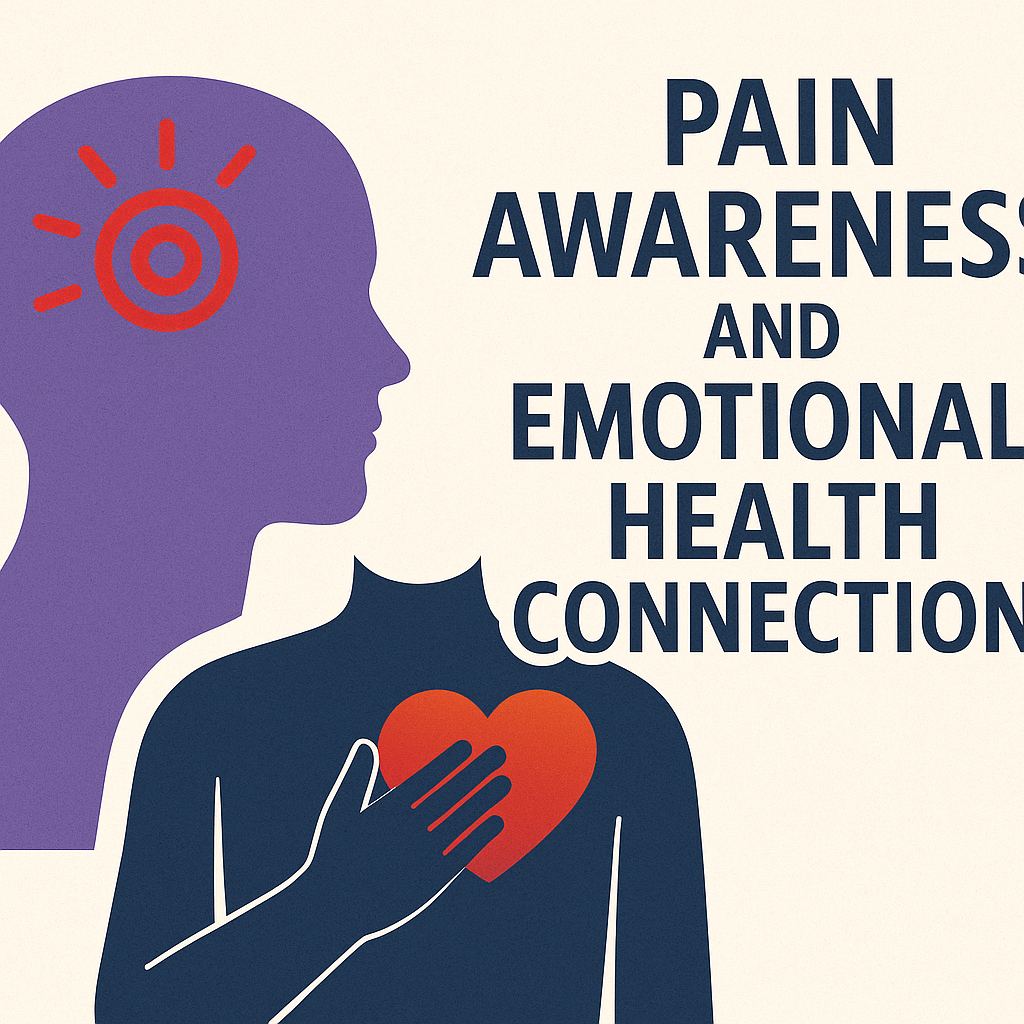
Pain Awareness and Emotional Health Connection
Understanding how pain and emotional health are interconnected is essential for those recovering from physical events, like truck accidents. When individuals become aware of pain—whether immediately or over time—it can influence their emotional health in several ways. This article explores why symptoms might arise after truck accidents, highlights common symptom patterns, explains why symptoms can fluctuate, discusses when people usually start monitoring these symptoms, and examines the broader connection between pain and emotional well-being.
Why Symptoms Can Appear After Truck Accidents
Truck accidents can be both physically and emotionally jarring events. Often, the immediate focus is on obvious injuries and the logistics following the collision. However, physical symptoms can sometimes emerge hours, days, or even weeks after the initial incident. This delayed onset is commonly attributed to the body’s natural stress response.
In the immediate aftermath of a traumatic event, the body releases a surge of adrenaline and other stress hormones. This “fight or flight” response can momentarily mask sensations of pain or discomfort, allowing individuals to focus on immediate safety and survival. Once the initial shock wears off and adrenaline levels decrease, people may start to notice symptoms they were previously unaware of.
Additionally, the emotional stress and psychological impact of being involved in a truck accident can contribute to heightened pain awareness. This is where the pain emotional health connection becomes particularly significant. Emotional distress—such as anxiety, shock, or fear—can amplify an individual’s awareness of physical discomfort, sometimes making minor sensations feel more significant. Furthermore, remembering or reliving the event can provoke new or intensified symptoms, both physically and emotionally.
Common Symptom Patterns (No Medical Instructions)
While everyone’s experience is unique, certain patterns of symptoms tend to emerge after truck accidents. Initially, people may report feeling sore, stiff, or fatigued. Headaches are also very common, as are feelings of tension in the neck, back, or shoulders. These physical symptoms are sometimes intertwined with emotional responses such as worry, irritability, or mood swings. Some individuals may notice that their pain seems to worsen during moments of stress or emotional upset.
Physical and emotional symptoms often occur in cycles. For instance, disrupted sleep, which is common after traumatic events, can lead to increased pain sensitivity and emotional fatigue. This in turn can lower the threshold for pain, making it more challenging to cope with both physical and emotional discomfort.
It’s also not unusual for individuals to notice symptoms that are seemingly unrelated to the initial injuries. Muscle tension, stomach discomfort, and unexplained fatigue might arise, all of which can be connected to the body’s response to stress and ongoing concern about well-being. The relationship between pain and emotional health can lead to a pattern where concern about symptoms contributes to increased awareness and potential intensification of those symptoms.
Why Symptoms Can Change Over Time
One of the complexities of recovering from a truck accident is the changing nature of symptoms. Pain and emotional distress don’t always follow a linear path of improvement. In fact, it is quite common for symptoms to fluctuate and shift over days, weeks, or even months.
Several factors contribute to these changes. As people become more aware of their bodies in the aftermath, they might start to notice subtle issues that were initially overlooked. Emotional factors also play a role; stress, anxiety, or lack of sleep can intensify pain sensations and vice versa. A seemingly minor setback—like difficulty performing a daily task or anxiety about returning to driving—can bring about a resurgence of symptoms.
Social support, environmental factors, and personal coping mechanisms play significant roles in this process. People who have a strong support network or have learned relaxation techniques may notice gradual improvement in both pain and mood. Conversely, individuals navigating these challenges alone might experience more persistent or changing symptoms. It’s important to note that fluctuating symptoms are not unusual in the context of recovery from physical and emotional trauma.
The pain emotional health connection means that how one feels emotionally can strongly influence how pain is experienced, and vice versa. When emotional stress is high, pain perception often intensifies, creating a loop that can make symptoms feel worse over time.
When People Typically Start Monitoring Symptoms
Awareness of symptoms can emerge at different times depending on the individual and the nature of the truck accident. Some people become attuned to their bodies immediately after the event, while others only realize changes days or weeks later. This period of “symptom discovery” often coincides with a break from the initial chaos—such as after medical evaluations, insurance claims, or dealing with transportation needs.
Individuals often start to more actively monitor symptoms when pain becomes persistent or starts interfering with daily activities. For example, difficulties with concentration, changes in sleep patterns, or struggles with mobility can prompt closer attention to what the body and mind are experiencing. Some might begin tracking how their symptoms change in relation to mood, stress levels, or daily routines, which can be helpful for understanding personal symptom patterns.
Another reason people begin monitoring symptoms is due to external encouragement. Support from friends, family, or professionals may prompt individuals to reflect on changes in their physical or emotional health. Sometimes, noticing that emotions such as sadness, frustration, or anxiety seem to correspond with flare-ups in pain helps people recognize and track the pain emotional health connection.
Neutral Closing Paragraph
Understanding the close link between pain awareness and emotional health is a critical aspect of recovery for many people following a truck accident. Changes in both physical and emotional states are natural and can shift over time for a variety of reasons. Being mindful of these patterns and recognizing their interconnection can help individuals make sense of their experiences and navigate the recovery process with greater self-awareness. While each person’s journey is unique, being attentive to how emotional health and pain interact is an important step toward holistic well-being.