
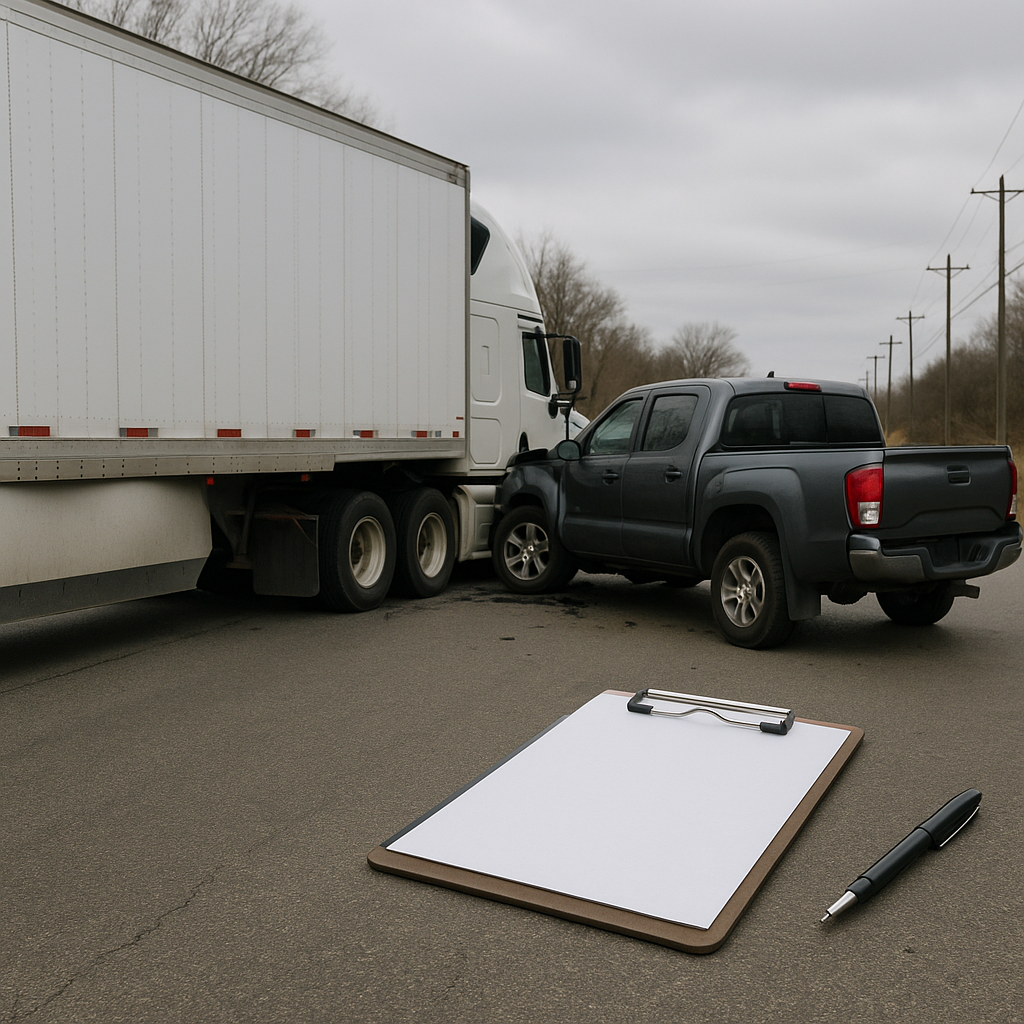
Managing Decision Fatigue After Truck Accidents
Overview of Daily Coping Challenges After Severe Truck Accidents
A truck accident can be a life-altering event, creating a complex web of physical, emotional, and logistical challenges. Survivors and their loved ones are often thrust into a world filled with new responsibilities and constant problem-solving. This sudden upheaval can make even simple decisions feel overwhelming, a phenomenon known as decision fatigue. Managing decision fatigue after a truck accident becomes part of the daily routine for many individuals, shaping the ways in which they cope with ongoing recovery and daily life.
Decision fatigue refers to the mental drain that results from having to make continuous choices, especially under stress. After a truck accident, this fatigue is not limited to medical decisions—it permeates nearly every aspect of daily living. Navigating healthcare, dealing with financial changes, accommodating physical limitations, and responding to ongoing emotional needs all require frequent decisions. These daily demands accumulate, often leaving individuals mentally exhausted and less able to process information efficiently.
The process of recovery rarely follows a straight path. Coping with the aftermath of a truck accident is further complicated by fluctuating energy levels, pain management, adjustment to new routines, and changes in family or work dynamics. In this environment, decision fatigue can hamper recovery, creating a cycle where decreased mental capacity leads to less effective decisions, which in turn generates more stress.
Common Daily Difficulties
The aftermath of a severe truck accident can touch every corner of a person’s life. Survivors and their loved ones often contend with a series of recurring challenges. These difficulties may include:
– Medical Management: Keeping track of medication schedules, understanding treatment plans, attending therapy sessions, and monitoring symptoms or side effects.
– Physical Challenges: Adapting to mobility restrictions, managing pain, and performing activities of daily living such as bathing, dressing, or preparing meals.
– Household Responsibilities: Staying on top of bills, maintaining a home, organizing transportation, and ensuring daily necessities are met.
– Emotional Fluctuations: Coping with anxiety, frustration, sadness, or anger, sometimes caused by uncertainty or new limitations.
– Cognitive Demands: Processing paperwork, attending appointments, communicating with care providers, and remembering crucial information.
– Social Adjustments: Navigating changes in friendships, family roles, and support networks due to shifts in ability or temperament.
– Adapting Routines: Making frequent adjustments to schedules to accommodate medical needs or energy levels.
Each of these challenges can drain mental resources, especially when layered on top of one another. For many, the sheer number of decisions required each day—however minor—can be paralyzing.
Practical Coping Systems People Often Use
Faced with ongoing decision fatigue, many individuals and families begin to develop practical systems that help manage the mental load. These coping systems emerge organically, shaped by individual circumstances and preferences. Examples include:
– Delegation: Individuals might rely more heavily on family and friends to handle recurring tasks, such as grocery shopping or bill payments. Sometimes, responsibilities are reallocated permanently to lighten the burden.
– Routine Formation: Establishing predictable routines for meals, medication, and therapy can cut down on the number of choices required each day, allowing the mind to coast on habit for many tasks.
– Environmental Modification: Rearranging physical spaces to make them more accessible can reduce the mental effort required to complete daily activities or decrease the need to ask for help.
– Information Organization: Using notebooks, calendars, or digital apps to track appointments and medications helps to centralize information and reduce the cognitive strain of remembering details.
– Task Prioritization: Some find it helpful to focus on the most pressing needs first, letting go of less important decisions or postponing them until they feel ready to tackle more.
– Support Systems: Turning to support groups (both online and in-person) offers an outlet for sharing concerns, gaining encouragement, or adopting practical tips from others in similar situations.
– Mindful Pausing: Pausing before responding to requests or questions, and allowing time to process, can help individuals avoid rash or regrettable decisions brought on by fatigue.
These informal methods are not universally applied, nor do they eliminate decision fatigue entirely. However, they reflect a natural and adaptive response to the pressures of post-accident life. For many, these systems evolve over time, shifting as capabilities and needs change.
How Coping Improves Gradually Over Time
The process of managing decision fatigue after a truck accident often shifts as weeks turn into months. Over time, individuals become more adept at prioritizing decisions and identifying which choices need immediate attention versus those that can wait. With practice, certain tasks that once required substantial mental energy may become more routine, demanding less conscious thought.
This gradual improvement is rarely linear. Setbacks, flare-ups of symptoms, or changes in medical status can temporarily increase decision fatigue. However, as individuals and their support systems learn from experience, coping mechanisms are fine-tuned and confidence in decision-making may grow. For some, returning to familiar routines or roles—even in modified forms—contributes to a sense of normalcy and control.
Additionally, as recovery progresses, access to community resources, adaptive equipment, or new forms of transportation can further reduce the daily decision-making burden. The passage of time also allows survivors and their families to reflect on what strategies are most effective and sustainable for their unique circumstances.
Neutral Closing Paragraph
The experience of managing decision fatigue after a truck accident is shaped by a wide range of individual factors and circumstances. From the earliest days of recovery to the longer-term adjustments that follow, daily life is often governed by a series of ongoing choices and adaptations. While decision fatigue is a common challenge, the development of practical coping systems and the gradual process of adjustment can help individuals navigate this complex landscape over time. Each journey is distinct, influenced by changing needs, resources, and personal resilience.