
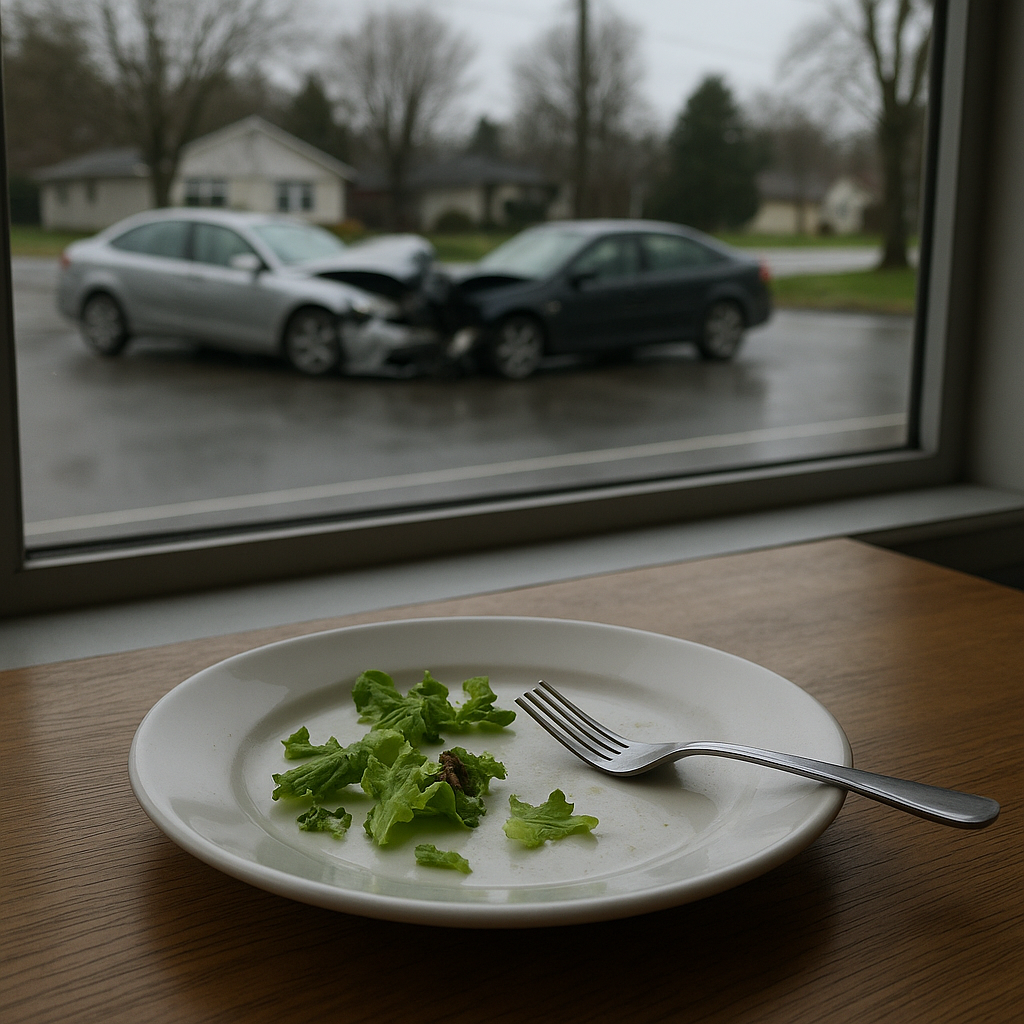
Loss of Appetite and Stress After Accidents
Accidents can be life-altering experiences, often leaving individuals grappling with more than just physical injuries. Emotional and psychological effects—especially loss of appetite and heightened stress—are common, but frequently overlooked. Whether it’s a car crash, workplace mishap, or fall, the aftermath can disrupt routines and wellbeing in profound ways. Understanding how accidents impact appetite, stress, and sleep patterns can empower individuals to better navigate the recovery journey.
Overview of Stress and Sleep Disruption After Trauma
After an accident, the body and mind are thrust into a heightened state of alertness. This reaction, rooted in survival mechanisms, is commonly referred to as the “fight-or-flight” response. When faced with trauma, the body releases stress hormones such as adrenaline and cortisol. While these hormones help individuals respond quickly to danger, their lingering presence post-accident can disrupt various aspects of daily life.
Among the most pervasive issues that arise post-trauma are disturbances in appetite and sleep. Some people may find themselves completely uninterested in food, while others struggle to fall or stay asleep. Stressful thoughts—worrying about recovery, reliving the event, or feeling anxious about returning to normal activities—can make these disruptions even more pronounced.
Sleep routines often become irregular, and restful sleep may seem unattainable. This disruption in sleep, paired with constant low-level stress, can further impact one’s ability to eat and to recover physically and mentally after an accident.
Common Sleep-Related Issues People Report
It’s not uncommon for accident survivors to notice immediate—sometimes dramatic—changes in their sleep patterns. Some of the most frequently reported sleep-related challenges include:
1. Insomnia: Many people report difficulty falling asleep, staying asleep, or both. Overthinking or replaying the accident in their minds is a common experience during quiet nighttime hours.
2. Nightmares or Flashbacks: Disturbing dreams or sudden memories about the accident can jolt individuals awake, leaving them tired and unsettled the next day.
3. Restless Sleep: Even when sleep comes, it may be light or easily interrupted, rarely providing the deep restoration the body craves during recovery.
4. Excessive Sleepiness: In contrast, some individuals may find themselves sleeping far more than usual. This pattern can be a coping mechanism after experiencing trauma, with the body and mind seeking to retreat and rejuvenate.
Each person’s response is unique and can evolve over days and weeks following an accident. However, a disrupted sleep cycle—regardless of how it presents—can have significant implications for mood, focus, and, notably, appetite.
Stress Cycle Effects on Energy and Focus
The intertwining of stress and disrupted sleep can have a compounding effect on both energy levels and cognitive function. When the mind is preoccupied with stress and anxiety, it may become increasingly difficult to concentrate on daily tasks, make decisions, or maintain motivation.
Ongoing stress can manifest as:
– Mental fatigue: Difficulty staying attentive or motivated.
– Emotional irritability: Heightened sensitivity to minor frustrations or setbacks.
– Physical tiredness: Even after a full night’s sleep, one may still feel drained.
In this environment, mealtime can feel like just another chore. The appetite often diminishes as the body’s physiological response to stress slows down non-essential processes, including digestion. In some cases, individuals might even forget to eat or feel nauseous at the thought of food. This loss of appetite can, in turn, reduce energy even further—creating a feedback loop that makes recovery feel all the more daunting.
How Sleep Patterns Evolve During Recovery
Recovery after an accident is not a linear process, and changes in sleep behavior are frequently among the first signs of improvement. In the weeks after trauma, as the acute stress response slowly diminishes, the body’s regulation of sleep and appetite can begin to stabilize.
Some characteristics of evolving sleep patterns during recovery include:
– Gradual Return to Baseline: Individuals often find they start sleeping longer and more soundly, with fewer interruptions or nightmares as time passes.
– Improvement in Routine: As daily routines re-establish, consistent bedtimes, and wake times become more achievable, aiding overall stability.
– Decreased Stress: With the decrease in adrenaline and cortisol, the physical and mental tension starts to ease, making rest more restorative.
– Appetite Return: Often, as sleep improves and anxiety levels lessen, appetite begins to return as well. Meal times become less stressful, and the act of eating can even become comforting once again.
It should be noted that for some, the effects of accidents may linger for months. Each person’s trajectory—and their appetite, energy, or sleep—will look different. Some individuals may benefit from seeking support from mental health professionals or community resources to navigate the emotional hurdles of recovery.
Neutral Closing Paragraph
While the loss of appetite and stress after accidents are challenging hurdles, they are also common and understandable reactions to trauma. Understanding how these experiences are interconnected can help individuals make sense of what they’re going through and foster patience during the recovery process. Recognizing these patterns is a crucial step in reclaiming daily rhythms and rebuilding overall wellbeing after an accident. No two recoveries are identical, but with time, support, and self-compassion, regaining balance is possible.