
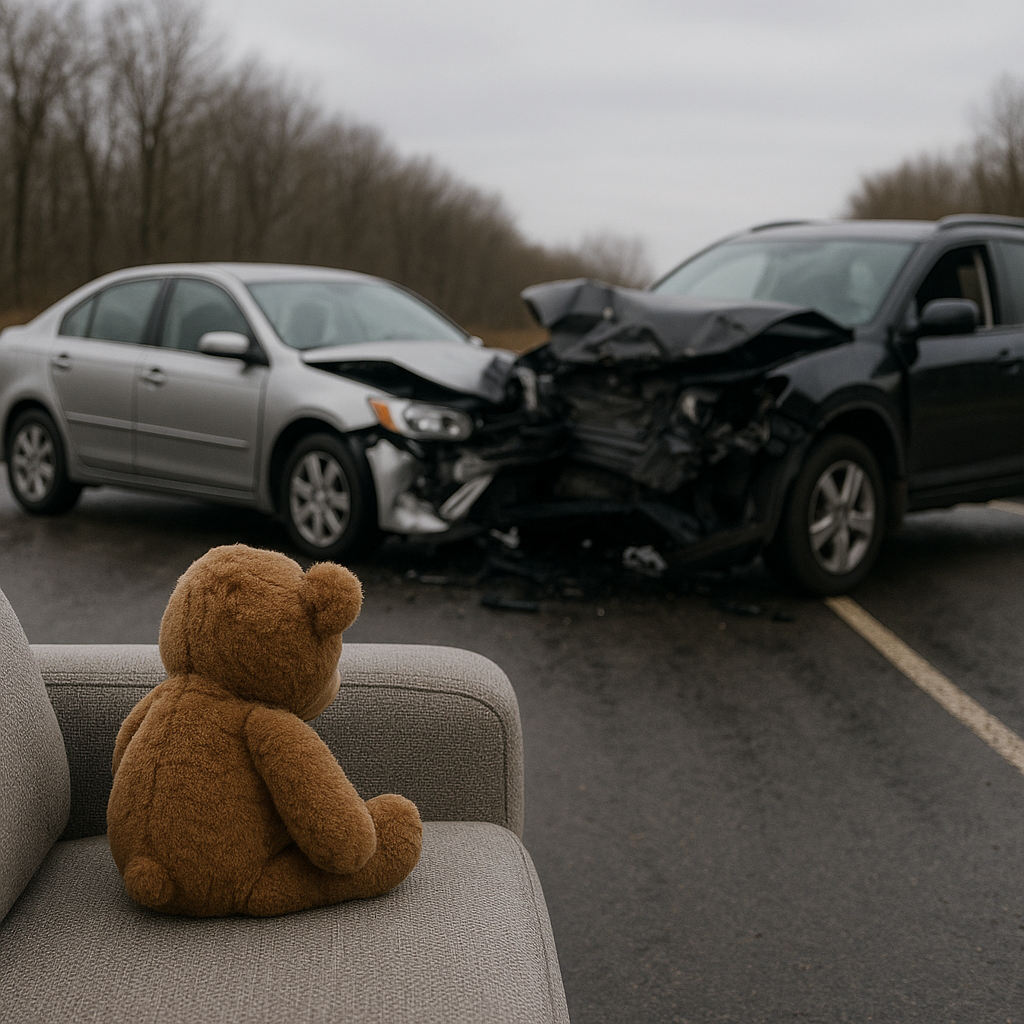
How Trauma Affects Relationships After Accidents
Accidents, particularly those involving large vehicles like trucks, are often unexpected and terrifying experiences. While much attention is paid to the physical aftermath of such events, the emotional and psychological effects can be equally impactful. One important aspect to consider is how trauma affects relationships. The ripple effects of traumatic incidents can show up in friendships, partnerships, and family dynamics in subtle and sometimes surprising ways.
Overview of Shock and Trauma After Truck Accidents
When someone experiences a truck accident, it is not uncommon to go through an initial period of shock. This immediate reaction can include feelings of numbness, disbelief, or a sense of detachment from reality. Beyond the understandable fear and anxiety, trauma can also develop, influencing thoughts, emotions, and behaviors well after the event itself.
Trauma is a response to an overwhelming event that exceeds one’s ability to cope. It is shaped by many factors, including the severity of the accident, one’s history with stressful events, and the presence of supportive relationships. Importantly, trauma does not only affect those directly involved in the accident; family members and loved ones may also be impacted while supporting someone through recovery.
Why the Body and Mind React This Way
When confronted with an unexpected, life-threatening event, the human body and mind are wired to respond with self-protection in mind. This is often referred to as the “fight, flight, or freeze” response. The nervous system releases stress hormones like adrenaline and cortisol, heightening alertness and preparing the body for action. This acute stress response is a natural survival mechanism. However, sometimes the system remains on high alert for too long, contributing to ongoing symptoms of trauma.
Psychologically, trauma can disrupt an individual’s sense of safety, trust, and control. People may develop unhelpful thoughts or beliefs about themselves or the world, such as viewing situations as more dangerous than they really are or doubting their ability to keep loved ones safe. These changes can influence how people relate to others, including those closest to them.
Common Reactions People Experience
Trauma affects relationships in various ways, largely because people may process and express distress differently. Some common reactions include:
– Emotional numbness or withdrawal: Individuals may find it difficult to connect with others or experience joy as they did before. Often, this is a way to protect themselves from further pain.
– Irritability or mood swings: Increased frustration, anger, or sadness can strain interactions with loved ones. Minor disagreements might escalate more easily.
– Vigilance and anxiety: A heightened sense of danger can lead to excessive worry, overprotectiveness, or difficulty relaxing.
– Sleep and memory problems: Trauma can disrupt sleep and memory, making communication more difficult or leading to misunderstandings.
– Avoidance of reminders: People might avoid activities, places, or conversations related to the accident, which can limit shared experiences and quality time.
– Increased dependence or isolation: Some may become more reliant on partners or family for reassurance and support, while others might withdraw.
Each of these reactions serves a psychological purpose, even if it creates challenges in navigating relationships. Understanding them as normal responses to abnormal events can help reduce frustration and foster empathy during the recovery process.
How These Reactions Can Change Over Time
The way trauma affects relationships is not static; it can shift as time passes. In the days and weeks following an accident, feelings of confusion, fear, or detachment can be intense. Over time, some individuals notice gradual improvement as they regain a sense of normalcy and safety. Support from loved ones can play a crucial role in this process.
However, not everyone recovers at the same pace. For some, symptoms may persist and become chronic, leading to ongoing difficulties in communication, intimacy, or trust. Relationships might evolve as people adapt to the changes in themselves and each other. Some couples or families find that the shared experience brings them closer as they work through challenges together. Others may encounter increased tensions or misunderstandings, especially if the effects of trauma are not openly discussed.
Certain anniversaries, reminders, or changes—such as returning to driving or passing the site of the accident—may cause symptoms to resurface or intensify temporarily. These fluctuations are a normal part of the healing process for many people.
Closing Reassurance Paragraph
Experiencing trauma after an accident is a complex and deeply personal process. It is natural for these experiences to affect relationships in various ways, and changes in mood, behavior, and connection with others are common. These reactions often reflect the body and mind’s ongoing efforts to heal and regain a sense of stability. Over time, many individuals and their loved ones notice shifts in how they relate as they adjust to new circumstances. While challenges may arise, awareness and understanding can support a sense of patience and compassion as people move forward at their own pace.