
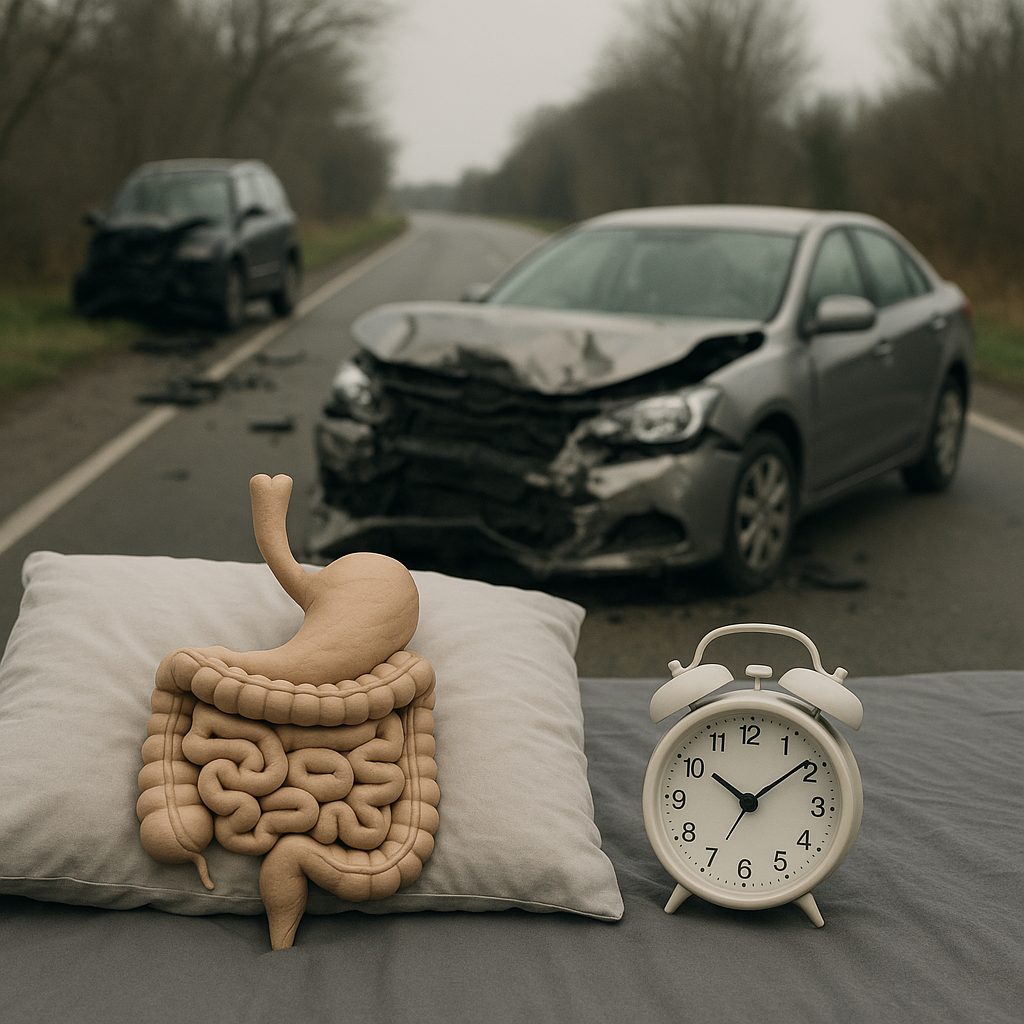
How Stress Affects Digestion and Sleep After Accidents
Accidents can be life-altering in more ways than one. Beyond visible injuries, the impact of a traumatic event often extends deep into the body’s biological systems, affecting both physical and mental well-being. Two areas particularly vulnerable to the ripple effects of stress following an accident are digestion and sleep. By understanding how stress digestion sleep accident are connected, individuals and caregivers can better navigate the challenges that arise during recovery.
Overview of Stress and Sleep Disruption After Trauma
When faced with a traumatic incident, such as an accident or injury, the human body initiates a number of defense mechanisms. Stress hormones like cortisol and adrenaline surge through the bloodstream, aiming to keep us alert and prepared to respond to immediate danger. While this acute stress response can be life-saving, its lingering effects often persist long after physical wounds have begun to heal.
One of the most noticeable side effects of post-accident stress is disruption in regular sleep and digestive patterns. The body operates according to rhythms—circadian for sleep and digestive cycles for nutrient processing. When stress disrupts these natural cycles, people may experience insomnia, unrestful sleep, and gastrointestinal disturbances. These changes can further impact mood, energy, and cognitive function.
Common Sleep-Related Issues People Report
Sleep problems are among the most common complaints after an accident or trauma. This is partly due to physical pain or discomfort, but often psychological stress is a key culprit. People may find it difficult to fall asleep, stay asleep, or may be plagued by nightmares and intrusive thoughts. Some typical sleep-related issues include:
– Insomnia: Difficulty falling or staying asleep, often caused by anxiety, tension, or rumination over the accident.
– Restless Sleep: Periods of light, interrupted sleep with frequent awakenings.
– Nightmares and Flashbacks: Recurring dreams or intrusive memories related to the traumatic event, leading to fear of sleep or nighttime anxiety.
– Non-restorative Sleep: Even after a full night in bed, individuals may wake up feeling unrefreshed or fatigued.
These disturbances can become cyclical—poor sleep increases perception of pain and stress, which in turn makes restful sleep even more elusive. When coupled with the body’s need for rest and repair after injury, this lack of deep, restorative sleep can stall recovery.
Stress Cycle Effects on Energy and Focus
Beyond sleep disturbances, stress from an accident also affects how energized and focused a person feels throughout the day. The stress response is designed to be short-term—once the danger passes, hormone levels are meant to normalize. However, after trauma, the stress response may stay “switched on,” creating a chronic cycle.
This ongoing stress can:
– Drain Energy Reserves: The constant flood of stress hormones uses up nutrients and depletes energy faster than usual, making people feel tired or sluggish.
– Impair Focus and Memory: Lack of sleep, combined with the brain’s preoccupation with the accident, results in difficulty concentrating or remembering details.
– Influence Mood: Heightened irritability, sadness, or anxiety can make it even harder to engage in daily activities and self-care.
These cognitive and emotional shifts are closely tied to both digestive and sleep patterns, as the brain and gut communicate through the nervous system, influencing each other’s functions.
How Sleep Patterns Evolve During Recovery
As the initial trauma subsides, many people notice gradual changes in their sleep patterns. In the early weeks after an accident, disrupted sleep may be the norm, but over time, the body and mind start seeking equilibrium. Recovery is rarely linear, and the progression may look something like this:
– Acute Phase (Days to Weeks): Sleep may be fragmented, supported mostly by brief periods of rest. Pain, worry, and new routines often cause anxiety around bedtime.
– Transition Phase (Weeks to Months): As physical healing begins, psychological adjustment follows. Some nights improve, while others remain challenging. Individuals might begin experimenting with self-soothing routines or relaxation techniques before bed.
– Adaptation Phase (Several Months): Consistency returns slowly. Sleep may still be lighter or shorter than before the accident, but prolonged periods of sleeplessness become less frequent. As routines stabilize and coping strategies strengthen, restful sleep becomes more attainable.
During this recovery process, supporting natural circadian rhythms with gentle daily routines—like regular meal times, reduced blue light exposure at night, and calming evening activities—can foster gradual return to healthier sleep patterns.
How Stress Disrupts Digestion After an Accident
Digestion, much like sleep, is deeply influenced by stress. The body’s “fight or flight” mode suppresses digestion, re-routing resources to muscles and the brain in preparation for action. After an accident, this response can undermine normal gastrointestinal function in several ways:
– Slowed or Irregular Digestion: The gut becomes less efficient, leading to indigestion, bloating, or constipation.
– Stomach Upset and Appetite Changes: Nausea, loss of appetite, or increased cravings (particularly for high-sugar or “comfort” foods) are common as the gut and brain communicate stress signals.
– Increased Sensitivity: Existing digestive issues, such as irritable bowel syndrome, may intensify.
With ongoing stress, these digestive disruptions may persist, creating discomfort and interfering with nutrient absorption—vital for physical and mental recovery after an accident.
Understanding that these digestive changes are a normal part of the body’s stress response can help alleviate concern and encourage gentle self-care practices, such as mindful eating and hydrating regularly.
Neutral Closing Paragraph
Coping with the aftermath of an accident involves more than just addressing visible injuries. Paying attention to how stress digestion sleep accident are intertwined can offer valuable insights into the recovery journey. As time passes, most people see gradual improvements in sleep and digestive patterns, especially with supportive routines and patience. Recognizing these interconnected responses can empower individuals to navigate recovery more confidently and foster a greater sense of resilience as they move forward.