
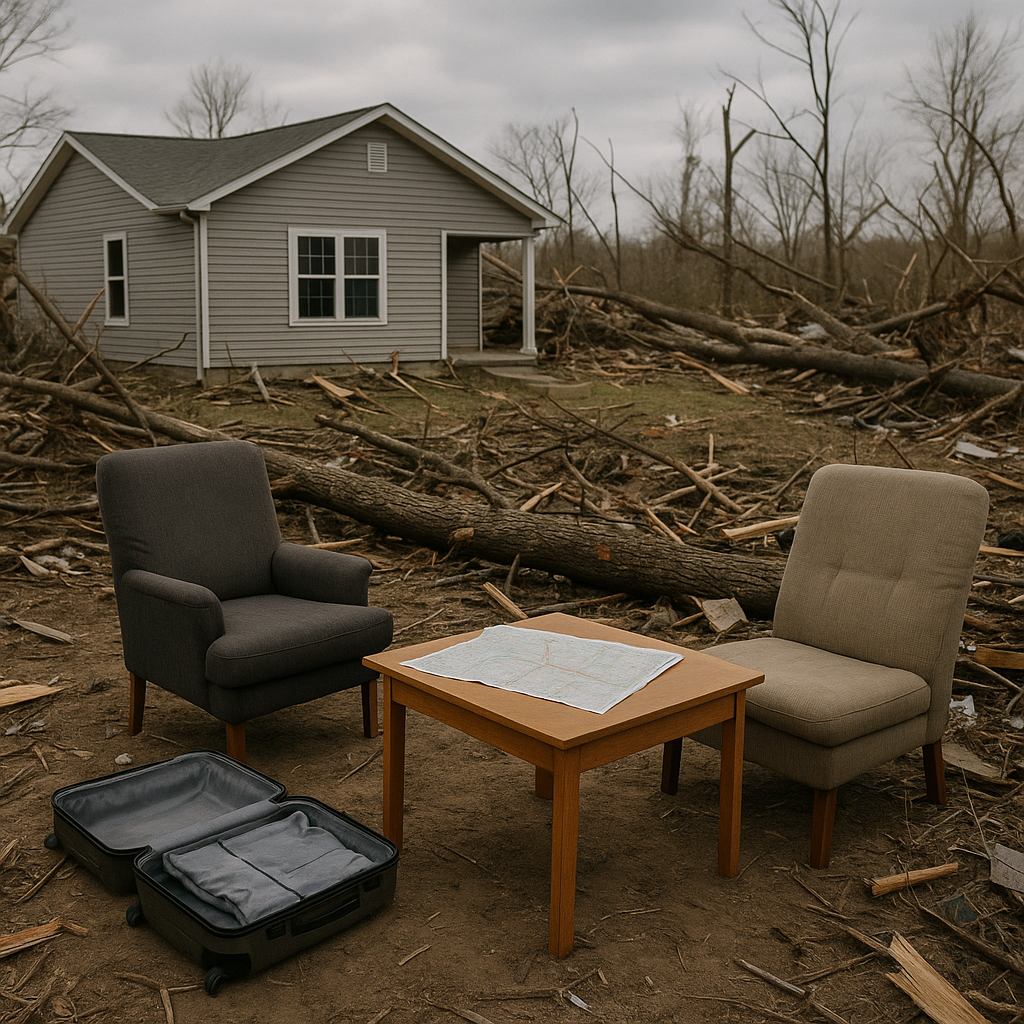
How Families Manage Uncertainty During Recovery
When an unexpected event like a truck accident strikes, it can abruptly disrupt the normal rhythms of family life. Recovering from such an event doesn’t just involve physical healing for the injured—it also requires the entire household to navigate a new, often uncertain reality. Understanding how families manage uncertainty during recovery can empower households facing similar situations to feel less alone and more equipped to move forward together.
Why Truck Accidents Affect Entire Households
Truck accidents, due to their scale and potential severity, often send shockwaves through more than just the immediate victim’s life. Family members—including spouses, children, parents, and even extended relatives—are often impacted emotionally, practically, and sometimes financially.
Families manage uncertainty during recovery by addressing issues far beyond the initial injury. Hospital visits, adjustments in employment, changes in caregiving roles, shifts in household routines, and emotional aftershocks become shared experiences. When a key family member is temporarily or permanently changed, either physically or emotionally, the household as a whole is forced to adapt.
The process is not linear. Milestones such as returning home from the hospital, undertaking rehabilitation, or adjusting to new limitations may bring hope but also new uncertainties. Questions emerge: Will our loved one recover fully? How will family finances be managed? What about children’s emotional well-being? Each family must respond in its own way, drawing on resilience, communication, and support networks to find stability.
Common Family Role Changes
An immediate and often visible outcome of a major accident is the reshuffling of family responsibilities. During recovery, individuals must take on new or expanded roles to keep the household running smoothly.
Spouses and Partners
A spouse or partner may shift from sharing daily chores to becoming a primary caregiver. This change can be demanding, both physically and emotionally. It might involve learning how to assist with mobility, manage medications, or coordinate medical appointments in addition to balancing work and other commitments.
Children
Children may behave differently in response to the changes at home. Older children might feel compelled to mature quickly, helping with household tasks or caring for younger siblings. Younger children may express their worries through changes in behavior, seeking reassurance or acting out when they sense anxiety among adults.
Extended Family and Friends
Sometimes, grandparents, aunts, uncles, or close friends step in to fill gaps—providing meals, transportation, or emotional support. While their help is often invaluable, it can also bring new interpersonal dynamics and questions about boundaries.
Recognizing and openly discussing changing roles can help families manage uncertainty during recovery, preventing misunderstandings and ensuring that no one feels overwhelmed or overlooked.
Communication Challenges Families Face
Uncertainty creates stress, and stress can complicate communication. When a family member is recovering from trauma, conversations may become emotionally charged, or difficult topics might be avoided. Families must adapt to talking about roles, expectations, and feelings more openly than ever before.
Emotional Distress
The heightened emotions that follow a traumatic event may include anger, fear, guilt, or sadness. Family members might worry about burdening others or hesitate to express their feelings, leading to misunderstandings or isolation.
Information Gaps
Medical jargon, changing treatment plans, and complex paperwork may make it challenging for families to fully understand what’s happening. Not knowing what questions to ask or struggling to interpret updates can foster additional anxiety.
Shifts in Family Dynamics
Long-standing patterns of communication may be tested. A person who has always been the family’s “rock” might need support themselves, which can be disorienting for everyone involved.
Maintaining regular family check-ins, allotting time for open conversations, and encouraging every member to express their needs are all effective strategies. Some families also benefit from involving a counselor or support group to mediate difficult discussions and help everyone find their voice.
Long-Term Emotional Adjustment Patterns
As physical wounds heal, the emotional journey of recovery continues. Adapting to a new normal involves cycles of adjustment, resilience, and growth.
Processing the Event
Family members must process their own responses to the trauma. This may involve grief for lost abilities, gratitude for survival, or even frustration over the slow pace of physical or emotional recovery. Each person’s timeline for recovery is different.
Building Resilience
Over time, families often discover inner reserves of strength. This may be seen in daily acts of kindness, creative problem-solving, or newfound appreciation for one another. These adaptations are a testament to the family’s resilience and capacity to adapt to new realities.
Seeking Support
Support can come from a variety of sources. Social networks, faith communities, mental health professionals, and organized support groups all play important roles. By sharing their experiences, families learn they are not alone, and they may even find purpose in supporting others who face similar circumstances.
Monitoring for Long-Term Needs
The impact of a truck accident may result in ongoing medical needs, changes in housing, career adjustments, or lingering emotional effects. Being attentive to the whole family’s well-being—including caregivers and children—helps ensure no one’s needs are neglected in the pursuit of recovery.
Navigating Recovery as a Family
Facing the uncertain aftermath of a truck accident is a profound challenge for any household. By understanding common role changes, addressing communication hurdles, and openly tackling the emotional complexities of recovery, families can build more compassionate, supportive environments for every member. While every journey is unique, knowing that other families have navigated similar paths can offer comfort and encouragement. Though the road to recovery is rarely straightforward, with patience, honesty, and mutual support, families can effectively manage the uncertainties and take meaningful steps toward healing—together.