
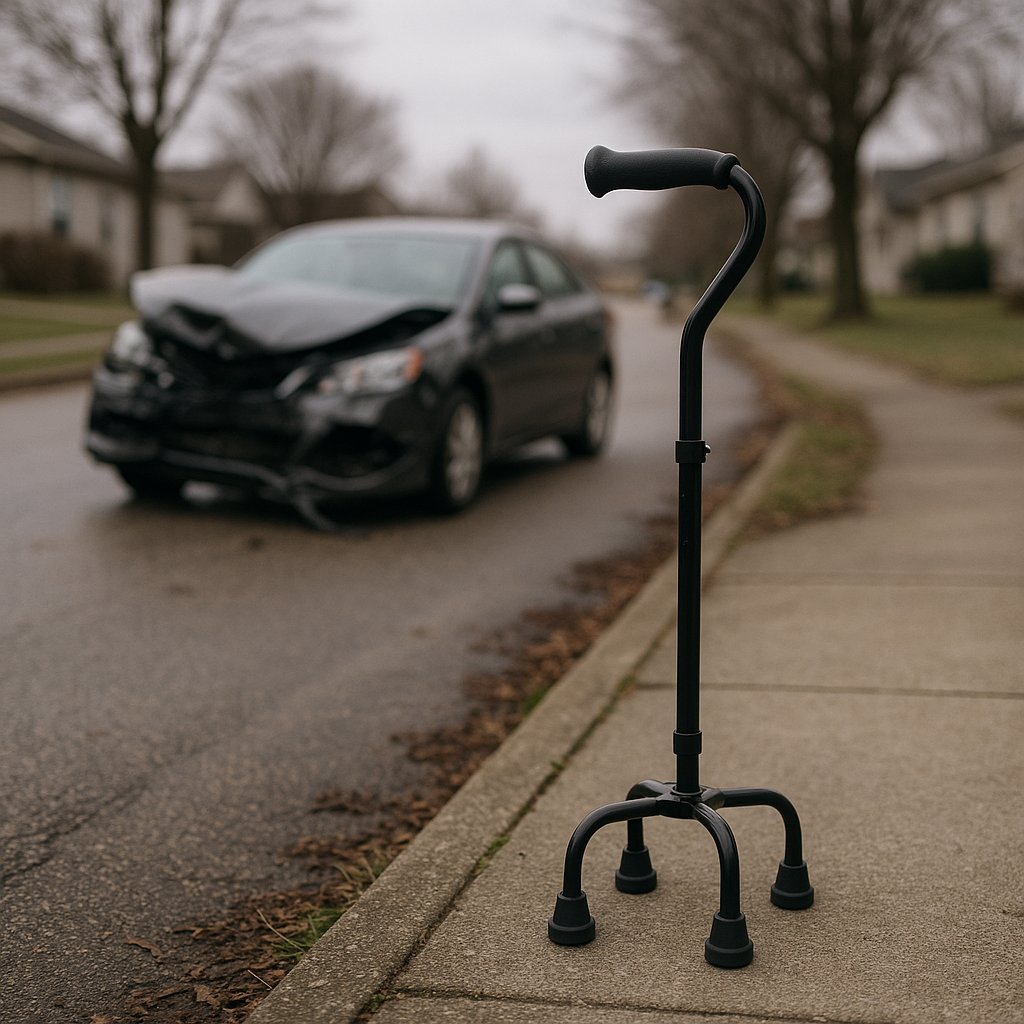
Daily Coping with Balance Issues After a Crash
Overview of Daily Coping Challenges After Severe Truck Accidents
Surviving a severe truck accident can present survivors with a unique set of ongoing challenges. Among the many potential outcomes, persistent balance issues are a common and disruptive consequence. These problems may arise from traumatic brain injuries, musculoskeletal damage, vestibular system disruption, or nerve trauma. Adapting to these difficulties often requires considerable determination and resilience as individuals recalibrate daily routines and environment to accommodate their new reality.
Navigating each day with impaired balance can deeply affect both physical and emotional well-being. Unlike temporary mobility limitations, balance disturbances can leave people feeling vulnerable, uncertain, and dependent on others. The importance of daily coping strategies becomes apparent as survivors work to foster a sense of safety and independence. With the right systems in place, many individuals gradually adapt to their changed capabilities, finding new ways to participate in daily life.
Common Daily Difficulties
Coping with balance issues after a crash can influence nearly every corner of daily life. The following are some recurrent challenges individuals often encounter:
– Standing from a sitting position: Many people discover that what was once a simple motion now requires deliberate effort and focus.
– Navigating uneven surfaces: Steps, curbs, and door thresholds may present new risks for tripping or falling.
– Maintaining balance while showering or dressing: Tasks that involve shifting weight or closing eyes, like putting on pants or washing hair, can provoke disorientation.
– Carrying objects while walking: Balancing while managing groceries, laundry, or household items often demands special attention.
– Moving in crowded or unfamiliar spaces: Busy environments, such as grocery stores or sidewalks, can feel overwhelming due to the unpredictability of those around.
– Dealing with fatigue: Physical exhaustion can intensify instability, making balance even more precarious as the day progresses.
– Experiencing dizziness or vertigo: Sudden sensations of spinning or lightheadedness may interrupt normal routines and force unscheduled breaks.
– Managing stairs: Even with handrails, staircases often pose a significant hurdle and may be avoided or approached with caution.
– Feeling psychological impacts: Anxiety, loss of confidence, and social withdrawal may accompany physical challenges, compounding the burden of recovery.
These difficulties rarely exist in isolation. Instead, they intertwine, creating a multifaceted experience that can affect self-sufficiency, social interaction, and overall quality of life.
Practical Coping Systems People Often Use
Over time, many individuals living with persistent balance issues after a crash have developed a variety of practical coping systems. Rather than deliberate or prescribed modifications, these adaptations often emerge through experimentation, observation, and necessity. Some examples in daily life include:
– Environmental modifications: Survivors frequently rearrange furniture to create clear pathways, minimize obstacles, and install grab bars in strategic locations such as bathrooms and bedrooms. Removing loose rugs and keeping floors uncluttered can further reduce tripping hazards.
– Assistive devices: The adoption of canes, walkers, or handrails is a common adjustment. These devices can offer additional points of contact and stability, making movement less daunting both indoors and outdoors.
– Routine adjustments: Many people find it helpful to break larger tasks into smaller steps or to plan activities when they feel most energetic. Some individuals schedule rest periods to guard against fatigue-induced instability.
– Footwear changes: Supportive, non-slip shoes become standard attire, as they offer increased grip and proprioceptive feedback.
– Visual cues: Taping high-contrast markings on stairs or uneven thresholds can help reduce errors in depth perception, making navigation safer.
– Mindful movement: Deliberately slowing down movements and focusing attention on posture and balance can help reduce the risk of falls. People often use walls or sturdy furniture for support during transitions.
– Compensatory senses: Those with vestibular system damage may rely more heavily on visual or tactile feedback. For example, watching the horizon while walking or using the hand to gauge wall position can supplement diminished internal balance cues.
– Support networks: Relying on friends, family, or community services for assistance with errands, transportation, or meal preparation becomes a practical way to maintain engagement without overextending oneself.
Though each system varies in its design and implementation, the cumulative effect is often an increase in stability and confidence for the survivor. These solutions tend to evolve as individuals test and refine what works best in their specific living situations.
How Coping Improves Gradually Over Time
The journey of coping with balance issues after a crash unfolds over weeks, months, or even years, and is seldom linear. Initial frustrations commonly give way to gradual adaptation, as survivors learn more about their bodies and their changing abilities.
This improvement can be attributed to several intertwined factors. For one, repeated exposure to day-to-day obstacles allows for the development of muscle memory and increased situational awareness. What first feels awkward or intimidating often becomes more manageable through repetition and experimentation.
Additionally, many people report greater confidence as they learn the boundaries of their new capabilities. The process of gradually expanding activities—walking farther, standing longer, or managing more complex tasks—contributes to a sense of progress, even if recovery does not restore pre-accident function. Along the way, support from rehabilitation specialists, peer groups, or allied health professionals often plays an important background role, reinforcing positive adaptations.
Emotional adjustment is also a significant element of gradual improvement. As survivors implement coping systems and notice tangible benefits, feelings of vulnerability can be diminished. Many people experience an increased sense of agency and self-efficacy, which further fuels motivation to maintain or expand these strategies.
While setbacks and periods of slower progress are common, the broader trajectory for many individuals is one of adaptation. Over time, coping strategies often become second nature, requiring less intentional thought and effort. The day-to-day experience of living with balance issues may never fully recede, but the distress and disruption they cause can often diminish as individuals grow more skilled in their management.
Conclusion
Coping with balance issues after a truck crash is a continuous, evolving process that encompasses both physical and emotional adaptations. While daily challenges can be significant, individuals frequently create practical systems that enable ongoing participation in essential and meaningful activities. The path toward improvement is not always straightforward, but many survivors ultimately find stability through a combination of environmental modifications, personal strategies, and social support. Understanding these patterns can promote empathy and awareness of the resilience required in the aftermath of a traumatic injury.