
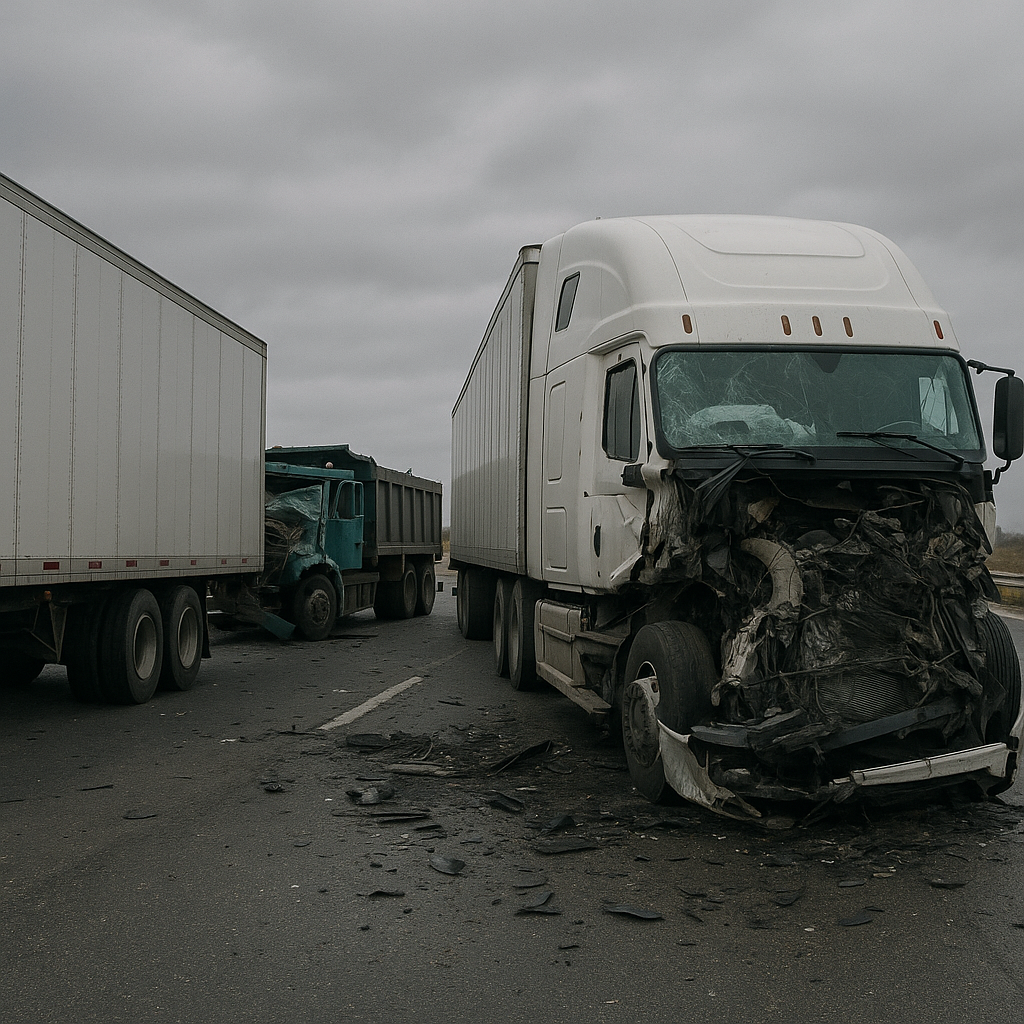
Coping With Uncertainty After Severe Truck Crashes
Severe truck accidents can leave lasting impacts that go far beyond the immediate physical consequences. Survivors and their families are often thrust into new realities that include emotional upheaval, lifestyle changes, and ongoing medical needs. A central challenge in these circumstances is coping with uncertainty—about recovery prospects, returning to daily routines, financial stability, and the future. This article explores the daily challenges faced in the aftermath of a severe truck crash, describes the practical ways people often manage these uncertainties, and discusses the gradual improvements that may unfold over time.
Overview of Daily Coping Challenges After Severe Truck Accidents
In the immediate aftermath and the longer-term recovery from a severe truck crash, many individuals and families find themselves navigating a complex web of challenges. These challenges often reach into nearly every aspect of daily living. While the physical injuries from such accidents are often visible and acute, the emotional and psychological fallout may be ongoing and subtle. The presence of uncertainty becomes a defining feature, shaping thoughts, routines, and relationships.
This uncertainty can stem from a variety of sources. Medical recoveries from significant injuries may be unpredictable; timelines for improvement shift, and setbacks can occur. The need for new routines—ranging from medical appointments to new modes of transportation—demands constant adaptation. Social roles within families and workplaces may change abruptly. Overall, survivors and their loved ones may feel disoriented by how much is unknown about what lies ahead.
Common Daily Difficulties
For those affected by severe truck crashes, daily life often involves an ongoing negotiation with various forms of uncertainty. The following are some common difficulties that individuals and families might encounter:
– Fluctuating Health Status: Injuries from truck accidents can lead to unpredictable periods of pain, fatigue, or limited mobility. This can make planning or maintaining routines difficult.
– Uncertainty About Recovery: The path to physical and emotional recovery is rarely straightforward. There may be uncertainty about whether certain abilities will return, or how long certain limitations will last.
– Shifting Family Responsibilities: Caregivers may need to take on additional roles, sometimes with little notice or preparation. Family dynamics can be strained as everyone adjusts to new responsibilities.
– Work and Financial Instability: Extended absences from work, changes in job roles, or the inability to return to one’s previous occupation can introduce financial uncertainty and worry.
– Social Isolation: Physical limitations and emotional strain may lead to less participation in social activities, causing feelings of loneliness or disconnection.
– Navigating Medical Systems: Frequent appointments, complex treatment plans, and communication with healthcare providers can be overwhelming, especially when outcomes are uncertain.
– Emotional Turbulence: Anxiety, frustration, and sadness are common emotional responses to sudden life changes. Individuals may experience mood swings or find themselves worrying about the future.
Uncertainty weaves through each of these difficulties, affecting not just day-to-day living but how individuals perceive their sense of stability and control.
Practical Coping Systems People Often Use
In the midst of such uncertainties, many individuals and families develop practical ways to manage day-to-day life. While coping strategies may differ based on personal preferences and cultural backgrounds, some common systems emerge among those navigating life after severe truck crashes:
Organizing Information: People often create systems to keep track of medical records, appointment schedules, medication lists, and health updates. This can provide a sense of order during an otherwise unpredictable time.
Using Support Networks: Many rely on family, friends, or community organizations for help with daily tasks, emotional support, or transportation needs. These networks can be formal, such as professional counseling or support groups, or informal, like neighborly assistance.
Focusing on Short-Term Goals: Instead of looking too far ahead, some choose to concentrate on daily or weekly achievements, which makes overwhelming challenges feel more manageable.
Exploring Restorative Activities: Engagement in hobbies, relaxation techniques, creative outlets, or spiritual practices often provides comfort. Such activities may help individuals regain a sense of control or express emotions safely.
Adapting Home and Lifestyle: People sometimes make their living spaces more accessible by adding mobility aids, moving bedrooms to the first floor, or streamlining household routines. These adaptations support independence and can reduce friction in everyday life.
Seeking Reliable Information: Staying informed about one’s condition, treatment options, and recovery processes can be empowering. Many look for trustworthy sources to reduce apprehension and confusion.
Routine Communication with Healthcare Providers: Regular check-ins with doctors, therapists, or rehabilitation teams may help families feel more grounded in the recovery process, even when outcomes aren’t yet clear.
These coping systems are often developed organically and can be refined over time, according to what feels most effective for those involved.
How Coping Improves Gradually Over Time
Although uncertainty remains a part of life after a severe truck crash, many individuals notice that the severity of their struggles changes as time passes. Early on, new routines, medical complications, and emotional upheaval can feel all-encompassing. With each week and month, however, patterns may begin to emerge that allow for greater predictability, even if life does not return to its pre-accident state.
As functional abilities recover or stabilize, people often report increased confidence in managing daily tasks or symptoms. Even small improvements—like mastering a new way to perform a household task, or finding comfort in a support group—can build a foundation for renewed purpose.
Coping systems are frequently adapted as needs evolve. Initial strategies may give way to new ones as individuals gain experience in what works best for their unique situation. The passage of time can also help reduce the sense of shock or overwhelm, allowing space for acceptance and, in some cases, optimism.
Family members and caregivers may also find that their ability to respond to uncertainty improves. What once felt disorienting becomes more familiar. As communication strengthens and roles become clearer, families might discover new sources of resilience and support.
Neutral Closing Paragraph
Adjusting to life after a severe truck crash is a journey marked by ongoing uncertainties. While the challenges facing individuals and families are profound, the process of coping unfolds uniquely for everyone involved. Over time, strategies for managing uncertainty often become more refined and personally meaningful. The varied experiences of those affected reflect the complexity of recovery and the potential for adaptation, even in the face of continued change.