
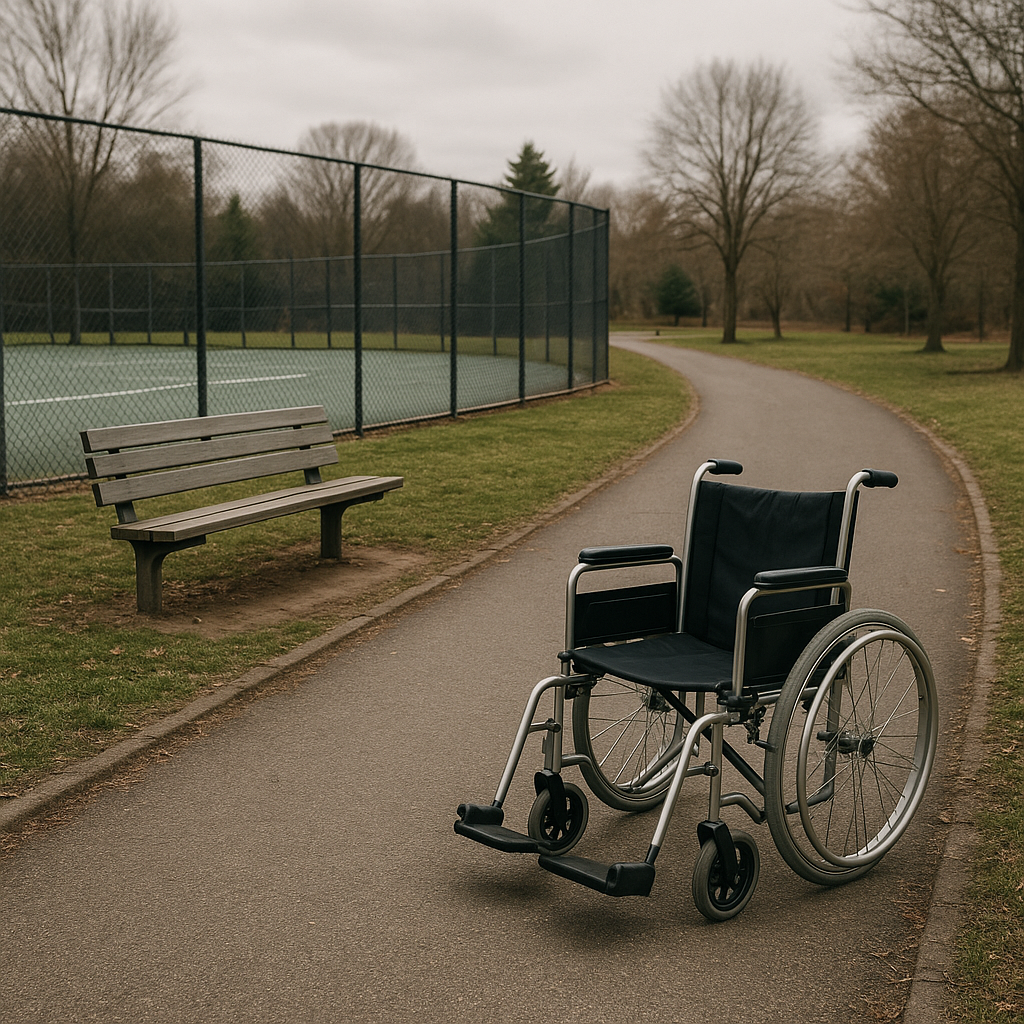
Coping with Limited Recreation After Injuries
Overview of Daily Coping Challenges After Severe Truck Accidents
Recovering from a severe truck accident can dramatically alter a person’s daily life, particularly when injuries limit participation in recreational activities. Recreational pursuits often provide both physical outlets and emotional relief, so the sudden restrictions that follow injuries present unique challenges. Individuals may find themselves reassessing daily routines, confronting new barriers to engagement, and seeking renewed sources of fulfillment. These day-to-day obstacles can influence overall well-being and shape the adjustment process as people adapt to new realities in the aftermath of significant injuries.
Common Daily Difficulties
People who experience limited recreation due to injury often encounter a range of difficulties that impact their daily lives. These challenges may be physical, psychological, or social. Some of the most common daily difficulties include:
– Reduced physical capacity: Injured individuals may struggle with fatigue, pain, or mobility limitations that make it harder to participate in previous activities.
– Emotional distress: Feelings of frustration, sadness, or anxiety can arise from an inability to engage in formerly enjoyed pastimes.
– Social isolation: Limited participation in group recreational activities can lead to fewer social interactions and a sense of disconnect from peers.
– Changes in routine: Well-established routines may be disrupted, requiring adjustments in daily schedules and habits.
– Perception of diminished independence: Reliance on others for assistance during recreational activities or daily tasks can affect self-image and confidence.
– Difficulty finding alternative activities: Identifying new or modified recreational options that accommodate physical limitations often presents a significant challenge.
These difficulties can accumulate, especially during the early stages of recovery. While the specifics vary from person to person, the loss or limitation of previously meaningful activities may be felt deeply, and can influence overall motivation and mood.
Practical Coping Systems People Often Use
Over time, people affected by injury-related recreation limitations may develop personalized coping systems to manage the new challenges they face. Such systems are shaped by each individual’s circumstances, preferences, and resources. Some common coping mechanisms include:
– Engagement with creative outlets: Many individuals shift their focus toward hobbies such as reading, writing, painting, or music, which require less physical exertion but still offer enjoyment and self-expression.
– Virtual participation: With digital tools, some injured individuals join online forums, virtual classes, or multiplayer video games, fostering social connections and recreational engagement despite physical restrictions.
– Routine modification: People often adapt daily routines by incorporating scheduled breaks, organizing activities around energy levels, or utilizing adaptive devices that make certain tasks more accessible.
– Focus on achievable goals: Setting small, attainable targets can help provide a sense of progress and accomplishment, even when larger-scale recreation remains out of reach.
– Connection with peer support: Turning to peers who have experienced similar injuries—through support groups or social networks—may provide emotional validation and practical ideas for coping.
– Incorporation of mindfulness practices: Techniques like meditation, deep breathing, or gentle yoga can serve as alternative recreational pursuits and support emotional well-being.
– Increased openness about limitations: Communicating candidly with friends and family about changing needs and boundaries can build understanding and strengthen social support.
It is common for individuals to blend several of these strategies over time, adjusting them as confidence and abilities evolve. These coping systems often become an important part of the recovery journey, offering ways to reclaim aspects of identity and fulfillment in daily life.
How Coping Improves Gradually Over Time
For many people, coping with limited recreation after an injury is a gradual process. Early stages can be marked by emotional upheaval, uncertainty, and a steep learning curve as individuals come to terms with changed abilities. However, adaptability frequently develops over time. As people experiment with different coping systems, they may discover new interests, adapt former hobbies, or cultivate skills that were previously unexplored.
The progression of coping is rarely linear. Some days may bring disappointments or setbacks, while others reveal newfound resilience and satisfaction. Social support, whether from friends, family, or peers with similar experiences, can play a key role in this process.
Psychologically, many injured individuals experience a shift in focus—from dwelling on losses to highlighting accomplishments, no matter how small. Over time, emotional responses such as frustration or sadness often become less frequent or intense. As individuals become more skilled at navigating daily barriers, a new sense of normalcy may emerge, along with a renewed appreciation for enjoyable activities that remain accessible.
Adapting to limited recreation may also change a person’s perspective on leisure and fulfillment. Many report a deeper sense of gratitude for accessible experiences and connections, as well as increased creativity and resourcefulness in approaching day-to-day life. This evolving process of adjustment underscores both the challenges and the adaptive potential present during recovery after significant injury.
Conclusion
Coping with limited recreation after injuries presents a multi-dimensional set of challenges that affect physical, emotional, and social aspects of daily life. The journey involves an ongoing process of adaptation and adjustment, shaped by each individual’s personal circumstances and resourcefulness. While limitations may require substantial changes in routines and activities, many people discover new ways to experience enjoyment and purpose. The improvement of coping skills over time often ushers in resilience and growth, demonstrating the human capacity to adapt—even in the face of significant change.