
Coping with Feeling Like a Burden
Overview of Daily Coping Challenges After Severe Truck Accidents
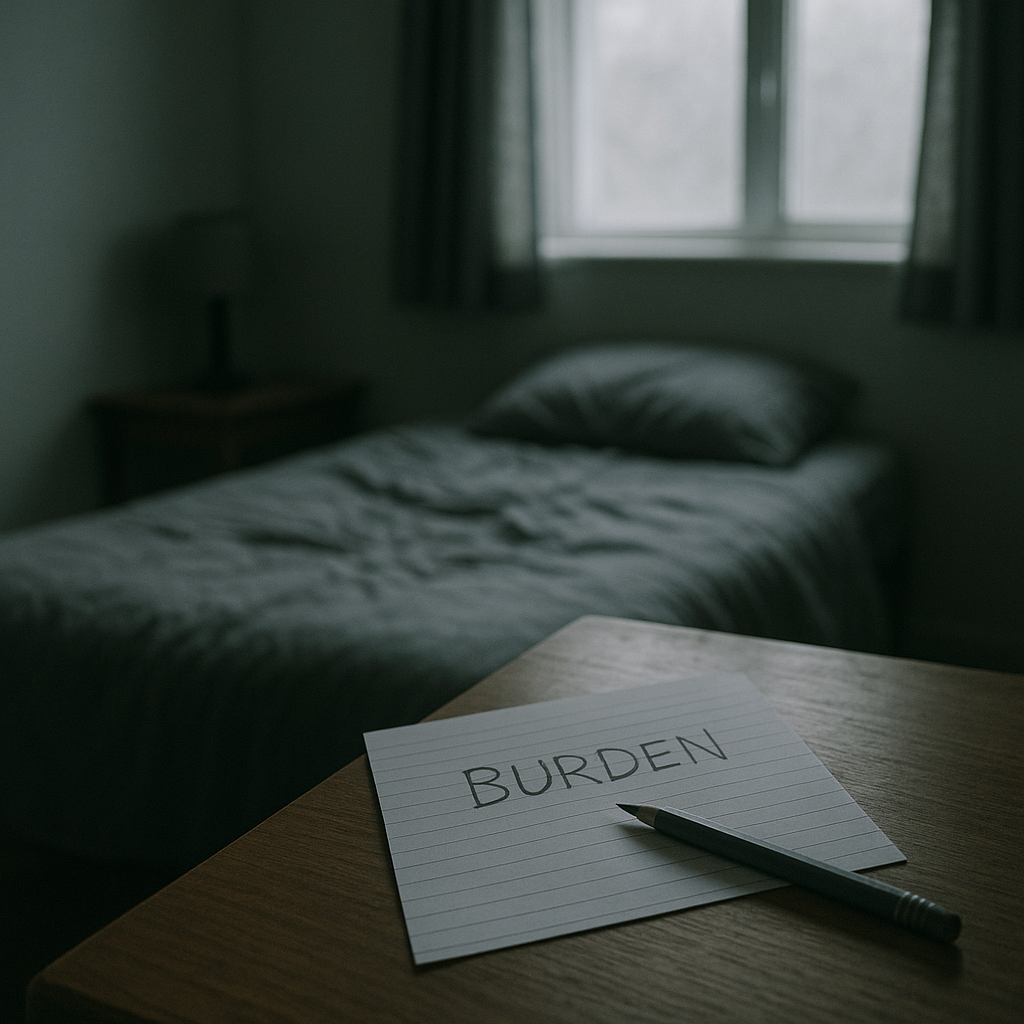
Severe truck accidents often leave lasting physical and emotional impacts on those involved. The aftermath may include a range of injuries, changed lifestyles, and new dependencies on others for everyday tasks. A recurring emotional challenge many survivors report is the overwhelming sensation of being a burden on their loved ones, caregivers, or community. This feeling can permeate daily routines, making recovery more complicated and emotionally charged. Understanding how individuals cope with feeling like a burden is essential for appreciating the complex realities faced by truck accident survivors.
Coping with feeling like a burden is often shaped by a mix of physical limitations, emotional vulnerabilities, and altered roles within families or social groups. The sudden transition from independence to reliance can be disorienting. Emotional fluctuations, such as guilt, shame, or frustration, may become as taxing as physical impairments. The struggle is not just about conducting daily life anew—it’s also about negotiating the invisible weight of being cared for, and the social and psychological toll that may follow.
Common Daily Difficulties
After a severe truck accident, everyday tasks can present unexpected barriers. These difficulties extend beyond simple physical tasks, affecting emotional well-being and relationships:
– Limited mobility: Tasks like bathing, dressing, or preparing food can become arduous or impossible, requiring help from others.
– Loss of independence: Activities individuals once handled on their own, such as driving or managing finances, may necessitate assistance.
– Chronic pain or discomfort: Physical symptoms can lead to increased dependence and emotional distress.
– Cognitive challenges: Some survivors experience memory loss, concentration issues, or slowed thinking, complicating routine decisions.
– Persistent fatigue: Energy levels may be low, making it hard to regain previous activity levels.
– Emotional vulnerability: Anxiety, depression, frustration, and feelings of inadequacy may arise or intensify.
– Strained relationships: Dependencies may shift family dynamics, sometimes creating tension or misunderstanding.
– Self-esteem fluctuations: Reliance on others can affect one’s sense of self-worth and autonomy.
These recurring challenges shape the everyday context in which feelings of being a burden are experienced and coped with.
Practical Coping Systems People Often Use
In response to these challenges, survivors and their support networks frequently develop unique coping systems to navigate daily life. Without offering prescriptive guidance or advice, it is helpful to acknowledge several patterns and approaches that people commonly describe:
– Emotional expression: Many survivors find value in expressing frustration or sadness openly with trusted individuals. Honest conversations about fears and struggles may help validate feelings and reduce isolation.
– Utilization of support networks: Reliance on family, friends, or formal caregivers often becomes central to daily living. For some, the act of accepting help is accompanied by a reciprocal offering, such as emotional support, gratitude, or guidance to others facing similar challenges.
– Reframing dependency: Some individuals reinterpret their reliance on others not as weakness, but as a form of adaptability or resilience. This cognitive shift sometimes brings renewed self-respect and appreciation for progress.
– Participating in community or peer groups: Engagement with people who have faced similar experiences can offer camaraderie and shared understanding, reducing the sense of isolation.
– Journaling or creative outlets: Documenting daily thoughts, emotions, and achievements provides a private space to process complex feelings, making the burden less heavy.
– Adaptation of daily routines: Families and survivors frequently develop creative workarounds, such as using assistive devices, restructuring household tasks, or establishing new daily rhythms to accommodate limitations.
– Communication about needs: Open discussion of abilities and needs, while sometimes uncomfortable, often facilitates smoother cooperation between survivors and their support systems.
– Recognition of small achievements: Many people find meaning in acknowledging incremental progress or minor triumphs, helping to foster hope and reduce self-critical thoughts.
These coping mechanisms are as diverse as the individuals who use them. Their application and effectiveness evolve as circumstances change, and as survivors gain new insight into their own adaptation processes.
How Coping Improves Gradually Over Time
Coping with feeling like a burden rarely follows a linear progression. Instead, it typically unfolds in stages, influenced by external events, internal realizations, and relational dynamics. Initial phases after an accident may involve intense emotions and acute dependency. Over time, as the realities of the new normal set in, individuals often discover new forms of resilience.
Gradual improvements in coping can be seen in several ways. Many people notice emotional responses becoming less acute as routines are established and support systems adapt. The formation of new habits and the mastery of adjusted skills—however modest—often contribute to increased confidence. Learning to communicate one’s needs more effectively may reduce feelings of guilt or shame, fostering more harmonious relationships.
The evolution of self-perception is another area where change unfolds. Survivors sometimes begin viewing their requests for help not merely as impositions, but as opportunities to connect and grow with those who care about them. The journey is rarely without setbacks, and emotional challenges can resurface during periods of change, such as setbacks in recovery or changes in support systems. Nonetheless, the overall trend for many is toward greater acceptance, emotional stability, and a more balanced sense of identity.
Peer and community connections frequently play a significant role in this gradual improvement. Exposure to others navigating similar paths can reinforce a survivor’s sense of belonging and mutual understanding, normalizing the complex feelings that arise after life-changing accidents.
Neutral Closing Paragraph
Coping with feeling like a burden is a common and deeply nuanced experience, particularly for those recovering from severe truck accidents. The challenges and responses involved are shaped by the nature of one’s injuries, personal history, and support network. By understanding the ways survivors manage daily difficulties and how coping processes can shift over time, it becomes possible to appreciate the complexity of healing—not only in the body but within relationships and self-perception. This perspective can foster greater empathy within communities and among caregivers, contributing to more supportive environments for those adapting to new realities.