
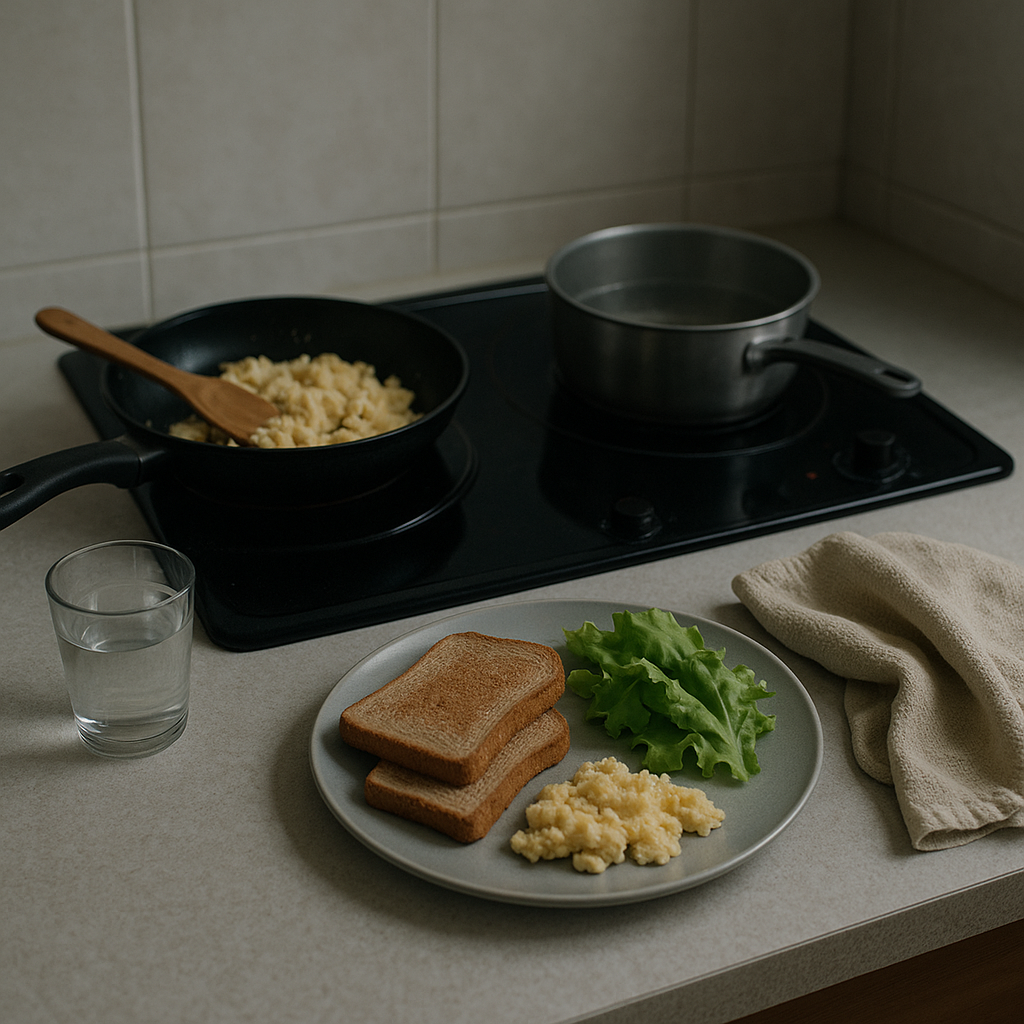
Managing Cooking When Energy Is Low
Overview of Daily Coping Challenges After Severe Truck Accidents
The aftermath of a severe truck accident frequently introduces a range of daily challenges, many of which extend beyond the visible physical injuries. For individuals recovering from such events, daily life can be marked by fatigue, pain, limited mobility, and psychological adjustments. Among the essential activities that can become suddenly complex is the routine act of preparing meals. Managing cooking with low energy is a particularly common struggle, as meals remain a daily necessity while energy and stamina may be in short supply.
People recovering from significant trauma often encounter fluctuating energy levels and may find that even simple tasks seem daunting. This state of reduced capacity can lead to feelings of frustration or vulnerability, but over time, many individuals develop systems and strategies to adapt. These coping systems help preserve both physical and emotional resources, enabling the pursuit of independence and nutrition.
Common Daily Difficulties
For those healing after severe accidents, daily challenges surrounding cooking and meal management may include:
– Physical fatigue: Reduced energy levels can make standing, lifting, or reaching especially taxing.
– Pain and discomfort: Simple movements like chopping, stirring, or bending may trigger discomfort or pain flare-ups.
– Limited mobility: Use of mobility aids or restricted range of motion can limit access to kitchen spaces, utensils, or ingredients.
– Concentration difficulties: Cognitive fatigue or brain fog can compromise sequencing steps, remembering recipes, or managing timers.
– Emotional strain: Ongoing frustration or a sense of lost independence can sap motivation to cook.
– Sensory sensitivity: Increased sensitivity to noise, heat, or smells may turn cooking into an overwhelming experience.
– Time constraints: Medical appointments and therapy sessions may compress available time or energy for meal preparation.
– Difficulty with heavy items: Lifting pots, pans, or grocery bags may be painful or unsafe due to injuries or weakness.
These obstacles tend to intersect in unique ways depending on individual circumstances, making daily routines unpredictable at times. Nevertheless, many find ways—small and large—to keep up with the nutritional aspect of recovery.
Practical Coping Systems People Often Use
In response to the above challenges, people often develop coping systems and modifications to make the process of preparing food more manageable. While each person adapts differently, some typical ways individuals navigate “managing cooking low energy” include:
– Batch Cooking: Preparing larger quantities of food on higher-energy days, then portioning and refrigerating or freezing for easy retrieval.
– Simplified Meals: Choosing recipes or meal ideas with minimal steps and fewer ingredients to conserve energy and reduce kitchen time.
– Adaptive Tools and Gadgets: Utilizing lightweight cookware, electric can openers, or chopping aids to lessen exertion.
– Seated Meal Prep: Setting up a workstation so that peeling, chopping, or mixing can be done while seated, minimizing the physical toll.
– Organized Kitchens: Arranging utensils, pots, and commonly used ingredients within easy reach reduces unnecessary movement and bending.
– Pre-prepped Ingredients: Making use of pre-cut vegetables, frozen meals, or portioned proteins to limit the effort required for meal assembly.
– Help From Others: Accepting assistance from friends, family members, or community meal services for part or all of the process.
– Meal Replacement Options: Occasionally substituting traditional meals with shakes or nutritional drinks on particularly low-energy days.
These systems are often developed through personal trial and observation, informed by what makes everyday life sustainable during recovery. The emphasis lies on reducing both the mental and physical demands of cooking, while still aiming for adequate nutrition.
How Coping Improves Gradually Over Time
With ongoing recovery, many individuals witness a gradual shift in their capacity to manage routine tasks like cooking. Energy levels, while initially unpredictable or persistently low, can improve as bodies heal, compensatory muscles strengthen, or as adaptations become habitual. The journey towards greater independence in meal management is often non-linear, with occasional setbacks alongside progress.
Over time, many people notice several changes:
– Increased Efficiency: Familiar coping systems become easier to use, requiring less effort and thought as routines become automatic.
– Improved Confidence: Positive experiences and small successes build a sense of mastery in the kitchen, fostering more willingness to attempt slightly more complex meals.
– Renewed Motivation: As daily functioning improves, interest and enjoyment in preparing food may gradually return.
– Enhanced Adaptability: Through continued experimentation, individuals often refine their systems, further minimizing effort while maximizing both nutrition and satisfaction.
– Expanded Support Networks: Connections with others—whether professionals, family, or peer groups—may provide new resources, ideas, or emotional support, easing the burden of food preparation.
Growth in these areas tends to bring not only practical benefits but can also quietly restore a sense of normalcy and control after a period of disruption.
Neutral Closing Paragraph
Living with low energy after a severe truck accident presents significant challenges, especially when it comes to daily needs like cooking. The process of managing meal preparation evolves as individuals find pathways that align with their changing abilities and limitations. While the obstacles can feel overwhelming, varied coping systems, combined with incremental improvement, enable many people to continue nourishing themselves in ways that foster both health and resilience. The experience of adapting sheds light on the diverse ways people respond to adversity and how gradual adjustments can create meaningful, lasting changes in everyday life.