
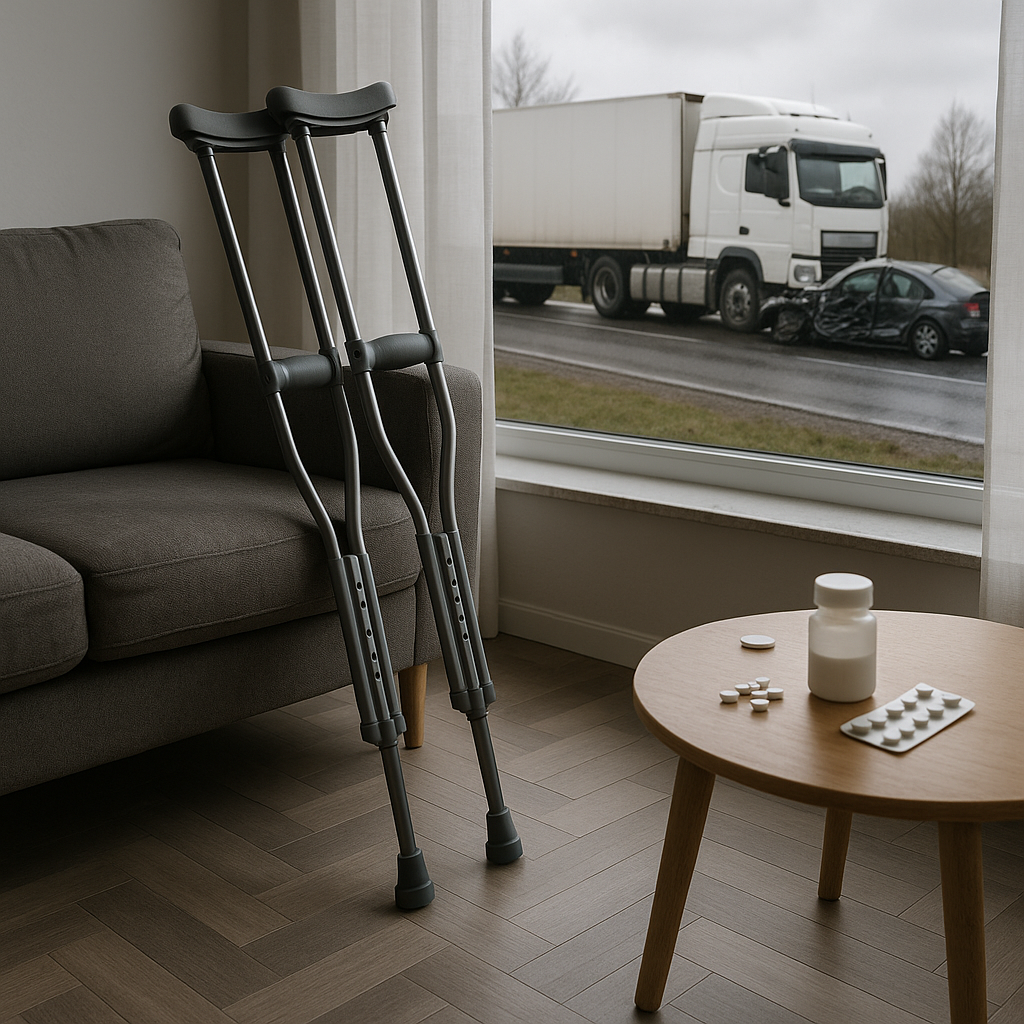
Daily Coping with Pain After a Truck Crash
Overview of Daily Coping Challenges After Severe Truck Accidents
Recovering from a severe truck accident often involves navigating a complex landscape of persistent pain, emotional adjustments, and significant life changes. For many survivors, the aftermath is not defined by a singular event but by ongoing, daily coping with pain. The recovery process is shaped not only by the nature of the injuries sustained in the crash but also by the profound impact that pain can have on physical capabilities, mental health, and daily routines.
Significant truck crashes frequently result in critical injuries, ranging from orthopedic trauma and internal injuries to neurologic damage. The body’s recovery from such injuries is rarely quick or straightforward. In these situations, individuals may find themselves facing an array of daily pain symptoms: sharp, aching, or throbbing pain; stiffness; discomfort during movement; or persistent soreness. The reality of daily coping with pain after a truck crash becomes a central aspect of everyday life, affecting how survivors engage with work, relationships, and personal goals.
Beyond the physical discomfort, survivors can encounter emotional and psychological challenges such as frustration, worry, and feelings of isolation. There can also be uncertainty about the duration of pain, or concerns about how it will affect long-term mobility and independence. For many, developing ways to cope with pain is essential to adapting to a dramatically altered routine and sense of self.
Common Daily Difficulties
Many truck crash survivors face recurring obstacles in their attempts to manage pain and maintain a semblance of normalcy. Below are some of the most frequently reported day-to-day difficulties:
– Chronic discomfort during basic activities: Ordinary tasks—toileting, bathing, dressing, preparing meals—can become laborious due to ongoing pain and restricted movement.
– Sleep disruptions: Persistent pain often interferes with sleep quality, resulting in fatigue, difficulty concentrating, and irritability during the day.
– Fluctuating pain levels: Pain intensity can change unexpectedly, complicating plans and affecting motivation.
– Reduced mobility: Injuries may limit physical capabilities, making walking, standing, or sitting for extended periods challenging.
– Household and caregiving demands: Completing domestic chores or caring for family may become overwhelming.
– Transportation barriers: Many accident survivors find driving or using public transportation uncomfortable or even impossible.
– Social withdrawal: Pain and fatigue may lead to decreased participation in social and recreational activities.
– Work or school challenges: Concentration and productivity can decline due to both physical and cognitive limitations imposed by pain.
– Emotional difficulties: Chronic pain can increase feelings of anxiety, sadness, or irritability, affecting relationships with others.
These difficulties often intersect, multiplying the complexities survivors contend with each day. Some individuals describe how pain and fatigue can set off a cycle where one challenge triggers or exacerbates others.
Practical Coping Systems People Often Use
While every person’s experience is unique, certain systems or approaches to daily coping pain truck crash survivors tend to utilize emerge across stories and reports. These coping methods do not represent formal recommendations, but rather reflect real-world adjustments and personal strategies people have developed to deal with ongoing pain and its effects:
– Routine adaptation: Some survivors find value in adjusting daily schedules to better accommodate pain patterns, including planning important tasks for times of day when pain is less severe and building in ample rest breaks.
– Home environment modifications: Many adjust their living spaces, using supportive furniture, installing grab bars, or keeping essentials within easy reach to reduce strain and increase comfort.
– Mindful engagement: Engaging in activities such as reading, listening to music, or light creative pursuits can help divert attention from pain and provide emotional uplift.
– Communicating needs: Openly sharing limitations and needs with family, friends, or coworkers may help to build a support network and reduce misunderstandings about capabilities.
– Self-tracking: Some keep journals or notes tracking pain levels, triggers, and what seems to help or worsen discomfort. This self-awareness can assist with recognizing patterns over time.
– Use of therapeutic tools: Individuals occasionally use items such as heating pads, cold packs, braces, or pillows for comfort and to minimize pain flare-ups.
– Balancing activity and rest: Alternating gentle movement with rest can help prevent the exacerbation of symptoms while minimizing stiffness or weakness.
– Community and peer support: Some find solace in connecting with others who have similar experiences, whether through informal meetups or support groups.
– Fostering patience: Over time, many survivors describe an evolving sense of patience with themselves as they come to terms with new limitations and learn to celebrate incremental improvements.
It is important to note that not every system works for every individual, and strategies may change as needs, pain levels, and life circumstances shift. The process of finding what helps can itself be an ongoing journey marked by experimentation and adaptation.
How Coping Improves Gradually Over Time
For many individuals, daily coping with pain after a truck crash is not static; it transforms as time passes. Immediately after the accident, pain may be at its most severe, limiting movement and independence. However, as the body heals and individuals gain more experience with their own pain signals and patterns, there can be a gradual shift in both the intensity of pain and the ability to manage it.
Over weeks and months, routine adaptations and practical coping systems often become second nature. Tasks that initially seemed insurmountable may become more manageable, and confidence in personal abilities can return. In this way, the ongoing challenge of daily coping pain truck crash survivors face is not only about enduring but also growing in resilience and adaptability.
Emotional regulation often improves alongside physical healing. Many people report that anxieties or fears tied to pain decrease over time, replaced by a greater sense of self-efficacy. The support of family, friends, and peers can reinforce this process, offering encouragement and reminding survivors they are not alone.
There can also be a recalibration of expectations—both about what constitutes progress and about how to define a good day. Small achievements may gain greater significance, and the complexities of living with pain become a part of the individual’s life narrative rather than its defining feature.
Neutral Closing Paragraph
Coping with daily pain after a truck crash presents ongoing challenges that evolve over time. The process of adapting to new physical and emotional realities is shaped by individual circumstances, available support, and personal resilience. While every survivor’s experience is distinct, patterns of gradual improvement and the adoption of practical coping systems often emerge, highlighting the capacity to manage daily life despite significant obstacles. Understanding the nature of these daily challenges and the evolving process of adjustment may offer valuable insight for those seeking to comprehend the lasting impact of severe truck accidents on daily life.