
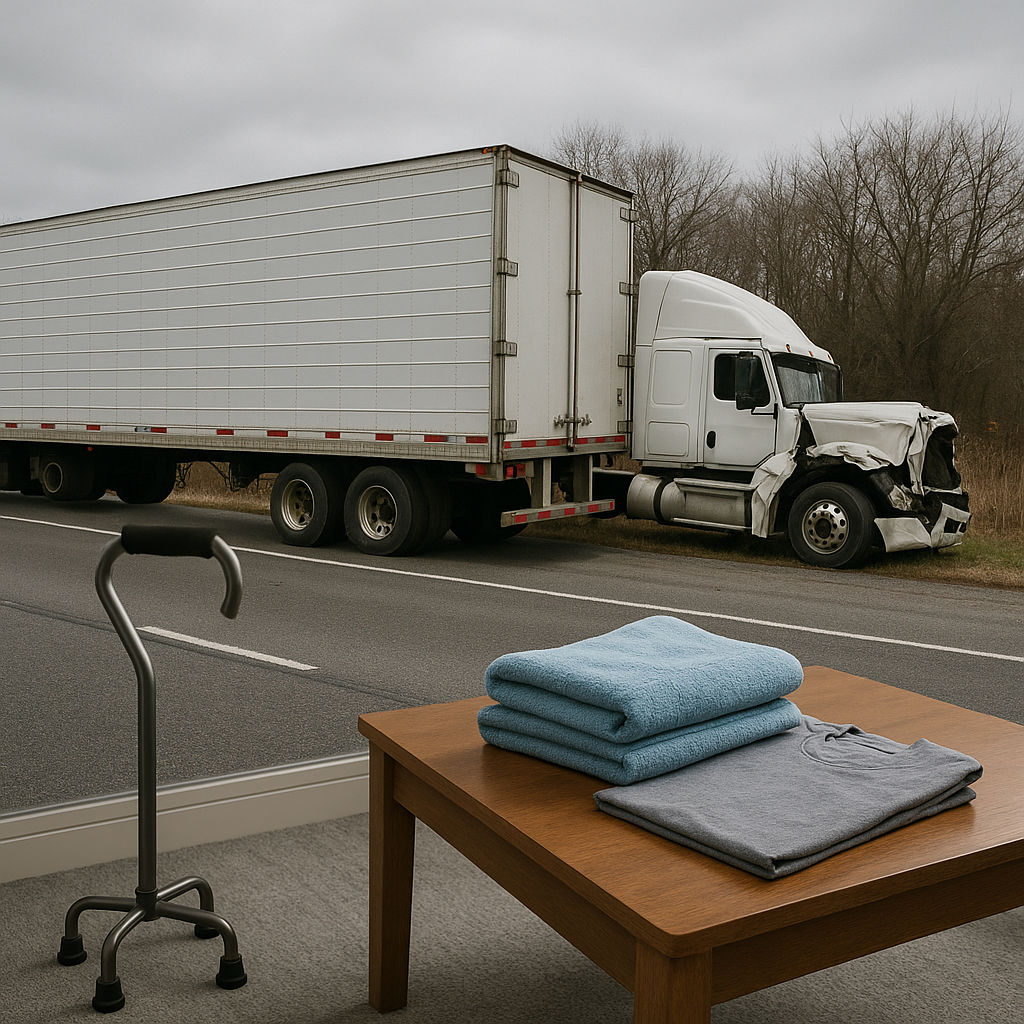
Daily Routines After Semi Truck Accident Injuries
Overview of Daily Coping Challenges After Severe Truck Accidents
The aftermath of a semi truck accident can significantly alter one’s daily existence, introducing complex physical, emotional, and logistical challenges. Injury recovery often extends beyond hospital treatments—every aspect of daily life may require careful adaptation. Whether individuals face temporary mobility limitations or long-term changes, understanding the landscape of daily routines after a semi truck accident illuminates both the difficulties and the gradual adjustments that occur with time.
Severe injuries, such as fractures, traumatic brain injuries, or spinal cord damage, can have cascading effects on independence, routine tasks, and relationships. Furthermore, psychological impacts—like anxiety or depression—may intrude unexpectedly, compounding the experience of recovery. Each person’s response to these challenges is unique, influenced by their pre-injury lifestyle, support systems, and the specific nature of their injuries.
The process of establishing reasonable daily routines after a semi truck accident is an evolving journey. It involves recognizing and responding to newfound limitations, redefining priorities, and often, developing creative strategies to manage personal and household responsibilities.
Common Daily Difficulties
Adapting to life after a serious semi truck accident brings a range of daily hurdles. Some of the most frequently encountered challenges include:
– Reduced Mobility: Many survivors face difficulty with movement, whether utilizing assistive equipment or regaining strength to perform basic tasks like walking or standing.
– Chronic Pain: Persistent pain can affect sleep, concentration, and participation in daily activities.
– Fatigue: Both physical injury and emotional strain often lead to significant tiredness that impacts everything from self-care to social interaction.
– Limited Self-Care Ability: Tasks such as bathing, dressing, or grooming may become challenging, especially for those with severe orthopedic or neurological injuries.
– Difficulty Performing Household Responsibilities: Chores like cooking, cleaning, or laundry might require assistance or new approaches.
– Cognitive and Emotional Changes: Some individuals experience problems with memory, attention, or mood regulation following traumatic injuries.
– Dependency on Others: Increasing reliance on family members, friends, or professional caregivers is common as people navigate personal care, transportation, and meal preparation.
– Disrupted Sleep Patterns: Pain, medication side effects, and emotional distress frequently affect the ability to rest.
– Social Isolation: Transport limitations, embarrassment, or reduced energy can contribute to a gradual decline in social and recreational activities.
– Managing Medical Care: Regular therapy appointments, medication schedules, and home-based exercises often require strict attention and routine-building.
Practical Coping Systems People Often Use
Individuals recovering from significant truck accident injuries tend to incorporate various systems into their daily routines to address these challenges. Over time, many discover a combination of organizational tools, support networks, and adaptive devices that foster greater independence and stability. Some of the practical systems commonly seen include:
– Assistive Equipment: Wheelchairs, walkers, shower benches, and reach extenders often become integral to completing daily activities more safely or comfortably.
– Automated Reminders: Alarms or smartphone apps help track medication times, therapy sessions, or hydration, lessening cognitive burden.
– Task Schedules or Journals: Calendars and checklists can organize daily responsibilities, record symptoms, and plan needed rest periods.
– Delegation and Shared Responsibilities: Family members, friends, or caregivers frequently share in household tasks, making routines more manageable.
– Transportation Alternatives: Ride services, adaptive vehicles, or community transportation options support ongoing participation in medical and community activities.
– Meal Planning and Preparation Aids: Pre-prepared meals, meal delivery programs, or adapted kitchen equipment simplify nutrition and cooking routines.
– Energy Conservation Techniques: Strategic pacing of activities, with planned rest intervals, is often used to reduce fatigue and maintain overall stamina throughout the day.
– Supportive Social Connections: Regular contact with peer groups or support organizations provides understanding and shared resources.
– Home Modifications: Installation of ramps, stair lifts, or wider doorways can restore accessibility and autonomy within the home.
Through continual adjustment, individuals often loop between trial and adaptation, gradually building routines that both accommodate new realities and encourage personal progress.
How Coping Improves Gradually Over Time
Coping with daily routines after a semi truck accident is rarely linear. The initial phase of recovery can feel overwhelming, with steep learning curves and frequent setbacks. However, as physical healing progresses and familiarity with adaptive strategies increases, many people observe tangible improvements in their day-to-day lives.
Improvements may arise from repeated practice, growing confidence, or accumulated knowledge about what works best for specific circumstances. While some difficulties—such as chronic pain or limited mobility—may persist, familiarity with management techniques can make these hurdles feel less daunting. As organizational systems become second nature and anxiety decreases, a larger sense of mastery over daily routines typically develops.
Support systems—including family, friends, healthcare professionals, and peer groups—often play a significant role in facilitating gradual improvement. With ongoing encouragement and information, it becomes possible to celebrate small achievements, acknowledge progress, and maintain hope.
Emotional adjustment also tends to evolve alongside physical adaptation. Over time, new ways of coping with frustration, sadness, or uncertainty often emerge, supporting resilience. While not every challenge will fade completely, accumulating experience fosters a more stable, predictable daily life, even if it looks quite different from before.
Neutral Closing Paragraph
Adapting daily routines after a semi truck accident is a highly individual process, shaped by the specific circumstances of injury and recovery. While the journey is marked by ongoing adjustments, both challenges and coping methods can change significantly over time. Through repeated adaptation and growing familiarity with practical systems, many individuals find ways to reestablish routines that foster greater independence and well-being. Understanding these dynamics offers insight into the everyday realities faced by those affected by severe truck accident injuries, highlighting the importance of support, flexibility, and patience throughout the recovery process.