
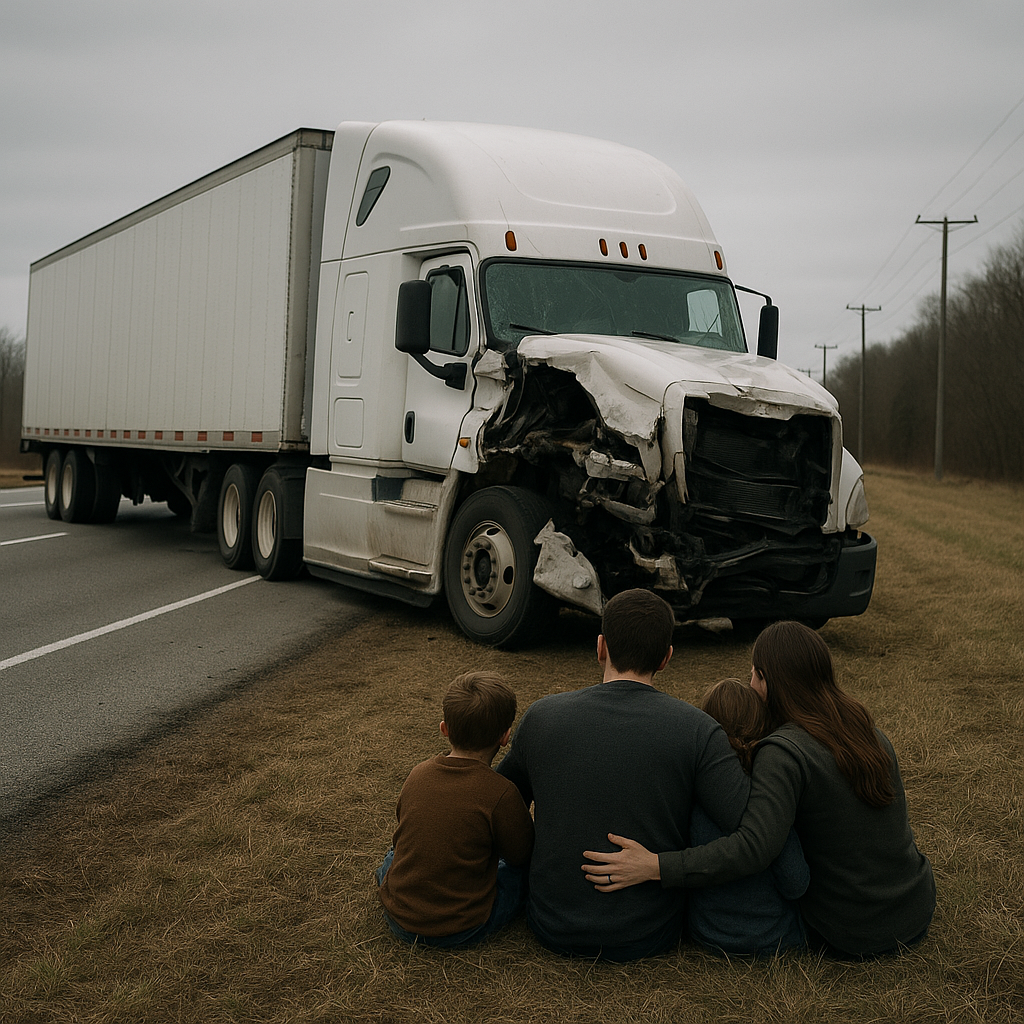
Why Family Support Matters After Severe Truck Accidents
When a severe truck accident takes place, its impact ripples far beyond the physical injuries experienced by those directly involved. The aftermath often affects the entire household, introducing changes and challenges that can transform daily life. Understanding why family support matters after a severe truck accident not only highlights the strength within households but also provides insight into how families can adapt, heal, and move forward together.
Why Truck Accidents Affect Entire Households
Truck accidents are known for their seriousness due to the sheer size and force involved. However, the fallout from such incidents isn’t solely a personal matter—it becomes a family ordeal. Physical injuries, sudden shifts in routines, and worries about the future can bring about an overwhelming mix of emotions. In many cases, family members must navigate not only practical concerns, like caring for an injured loved one, but also emotional hardships, such as anxiety, guilt, and fear.
The trauma and stress following a severe truck accident rarely remain isolated. When one person’s abilities or roles shift, the entire household feels the difference. Daily tasks might require new arrangements, income might be affected, and the emotional climate at home can change as family members respond to the ongoing stress. Strong family support matters in these circumstances because it offers stability, nurturance, and a sense of connectedness in a period marked by uncertainty.
Common Family Role Changes
A severe truck accident can significantly alter how family members interact and share responsibilities. For example, if the primary earner or caregiver is injured, others may need to quickly step up. Children might take on extra chores, a spouse may juggle work with caregiving duties, and relatives may step in to offer help.
Here are some common shifts families experience:
– Caregiver roles: A family member may assume responsibility for medical care, transportation to appointments, or rehabilitation exercises.
– Financial roles: The household’s breadwinner could experience an inability to work, requiring other members to seek employment or adjust budgets.
– Emotional support roles: One or more family members may become the key source of encouragement and stability, taking on the weight of motivating others.
– Parenting roles: If a parent is injured, older children might assist with younger siblings or other household tasks, fostering earlier independence.
– Household management: Day-to-day chores, such as cooking, cleaning, and shopping, may need to be redistributed or shared differently.
Adapting to these new roles can be both empowering and challenging. Open communication, patience, and support are crucial as families figure out how to navigate these unfamiliar waters.
Communication Challenges Families Face
In the aftermath of a severe truck accident, families frequently encounter difficulties in expressing their fears, frustrations, or needs. Tension may arise if members feel unheard or misunderstood. While the desire to protect one another is natural, it can sometimes lead to withheld concerns—or even unspoken resentment.
Some common communication challenges include:
– Avoidance of difficult topics: Family members might shy away from discussing the accident, pain, or financial struggles, aiming to shield each other but unintentionally fostering distance.
– Misunderstandings or assumptions: Without open dialogue, it’s easy to misconstrue what others are feeling or needing. For instance, one person may interpret silence as indifference, when it’s actually a sign of being overwhelmed.
– Overprotectiveness: Caring relatives may avoid expressing their own needs to prevent “burdening” the injured person, but this can lead to fatigue or burnout.
– Frustration and impatience: Adjusting to new routines often leads to stress. If communication breaks down, small misunderstandings can turn into larger conflicts.
Working through these barriers is essential to rebuilding and strengthening family bonds. Establishing regular check-ins, validating each other’s experiences, and seeking outside support (such as counseling) if needed can help families stay connected and resilient.
Long-Term Emotional Adjustment Patterns
The process of emotional adjustment after a truck accident unfolds slowly and can look different for each household. In the initial weeks, shock, confusion, and acute stress are common. Over time, these feelings may evolve into periods of grief or sadness for the life that has changed.
Among the most significant patterns observed are:
– Gradual acceptance: Many families pass through stages of denial, anger, bargaining, and acceptance, similar to the stages of grief. Accepting the “new normal” often takes months, if not longer.
– Resilience building: Over time, many families develop new coping mechanisms and find ways to rely on each other more deeply. Small everyday victories, like adapting to a new routine or seeing improvement in a loved one’s health, can boost morale.
– Support networks: Families that reach out—whether to extended relatives, community groups, or mental health professionals—often experience smoother emotional adjustments. Sharing and seeking advice from others with similar experiences can foster hope and practical solutions.
– Rediscovering strengths: Many family members discover qualities in themselves or each other—such as patience, creativity, or advocacy skills—they hadn’t realized existed. Celebrating these personal and collective strengths can aid the healing journey.
It’s important to recognize that setbacks, emotional swings, and moments of discouragement are part of the process. Compassion, patience, and reliable routines can help families weather these ups and downs together.
Neutral Closing Paragraph
In summary, the importance of family support after a severe truck accident cannot be overstated. It acts as a cornerstone for recovery, not just for the individual affected but for the entire household adjusting to new circumstances. While challenges may arise and adaptation is often needed, families who prioritize open communication, flexible roles, and mutual encouragement lay the groundwork for a stronger, more resilient future. Ultimately, facing difficulties together can foster growth, empathy, and renewed connections among loved ones.