
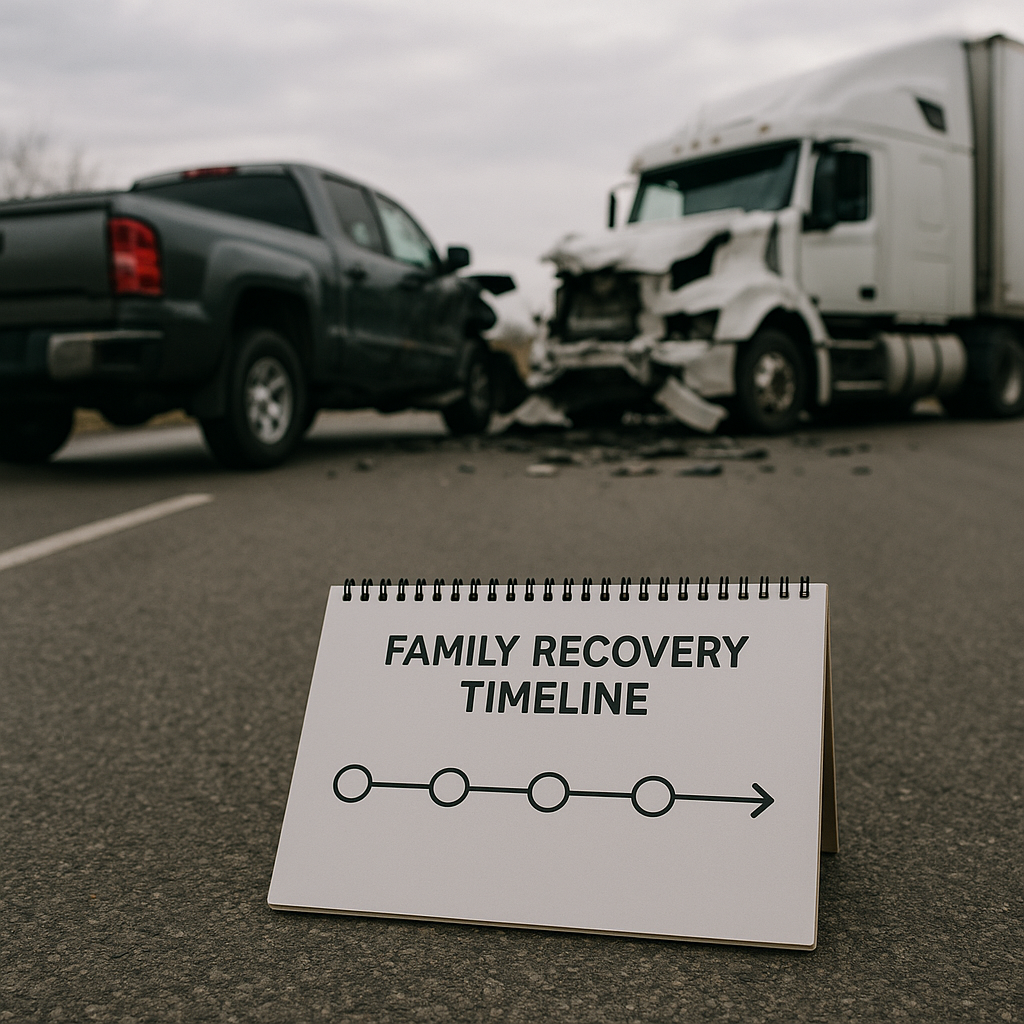
Family Recovery Timeline After Truck Crashes
Experiencing a truck crash can change a family’s life in an instant. While much attention is paid to the physical and legal aftermath for those directly involved, entire households often experience significant changes during recovery. Healing extends beyond medical treatment: it encompasses emotional, social, and practical adjustments that can last for months or even years. Understanding the family recovery timeline after a truck crash can help households prepare for changes, support one another, and find hope along the way.
Why Truck Accidents Affect Entire Households
A truck accident is a jarring event, not only for those physically harmed but for every member of the family. The sheer size and force of trucks often mean that the resulting injuries and property damage are serious, and the ripple effects reach far beyond the crash location. Suddenly, routines are disrupted, roles may shift, and emotional security is shaken. Family members may find themselves coping with loss, caring for an injured loved one, or adapting to a household member’s new limitations.
These upheavals impact financial stability, mental health, and the general atmosphere within the home. Even very young family members, who might not fully understand what happened, can sense that something is amiss. Recognizing that an entire family is affected is an important first step toward a healthier, more inclusive recovery process.
Common Family Role Changes
When a family experiences a truck crash, day-to-day responsibilities often change—sometimes dramatically. Here are some common scenarios families encounter during the recovery process:
– Primary caregiver role shift: If the injured person was the main caregiver, another family member may need to step into this role. This could mean managing household tasks, childcare, or nursing care.
– Breadwinner responsibilities: If the primary earner is injured, someone else may need to find new employment, work longer hours, or manage financial affairs.
– Increased responsibilities for children: In households with older children or teens, youngsters might take on chores or caretaking duties beyond their years. This can foster independence, but may also bring extra stress.
– Reliance on extended family and friends: Relatives and community members often step forward to help. Accepting outside assistance can be challenging for some, particularly if independence was valued before the crash.
– Adjustment for absent or changed family members: In the case of severe injury or loss, families must adjust to permanent physical or emotional changes. This might mean learning new daily routines, accommodation of medical equipment, or, heartbreakingly, grieving a loved one.
These shifts in roles are often necessary for practical reasons, but they can cause stress and conflict as family dynamics evolve.
Communication Challenges Families Face
Strong communication is essential during tough times, but tragic events like truck crashes can strain communication channels. Families may encounter several obstacles:
– Emotional barriers: Grief, guilt, anger, or fear can prevent open discussion. Individuals may avoid talking about the crash or how they really feel in order to “protect” others.
– Mismatched coping styles: One member may want to talk and process, while another might prefer silence or distraction.
– Age differences: Children and adolescents often process traumatic events differently than adults. Younger children might regress or act out, while teens may withdraw.
– Decision-making difficulties: Medical choices, financial planning, and household management require clear conversation. Stress and sadness can impede effective decision-making.
Practical steps—such as family meetings, seeking counseling, or scheduling regular check-ins—can help families overcome these challenges and promote a sense of unity and shared purpose.
Long-Term Emotional Adjustment Patterns
The family recovery timeline after a truck crash does not follow a set schedule, but certain emotional adjustment patterns are common. Understanding these stages can help families recognize what is normal and when extra support might be needed.
– Acute reaction (Weeks 1–4): Right after the crash, shock and confusion dominate. Many focus on immediate needs: medical appointments, insurance, and simply getting through the day.
– Adjustment period (Months 1–6): Daily routines begin to adapt around the changes. Emotional responses like anxiety, sadness, and frustration emerge. Children might ask more questions or demonstrate behavioral changes. The reality of long-term impacts becomes clearer.
– Family reorganization (Months 6–18): New roles and routines settle in. Some families find renewed closeness, while others encounter lingering tensions or unresolved grief. This is a common time for post-traumatic stress or depressive symptoms to surface in any family member—not just those directly involved in the crash.
– Long-term integration (1–3 years and beyond): Eventually, most families find a new “normal.” Recovery may include ongoing therapy, adjustments for permanent injuries, or commemorative traditions for lost loved ones. Some individuals will benefit from support groups or community resources to process grief or trauma over the long haul.
It’s important to recognize that progress is not always linear. Anniversaries, legal outcomes, or medical setbacks can stir old emotions. Continual compassion and patience are key, both toward oneself and other family members, throughout the recovery timeline.
Neutral Closing Paragraph
Recovering from a truck crash as a family is a gradual journey marked by both challenges and opportunities for growth. While every family’s experience is unique, knowing what to expect and embracing open communication can help households navigate the months and years ahead. With patience, adaptability, and mutual support, families can move toward healing—together.