
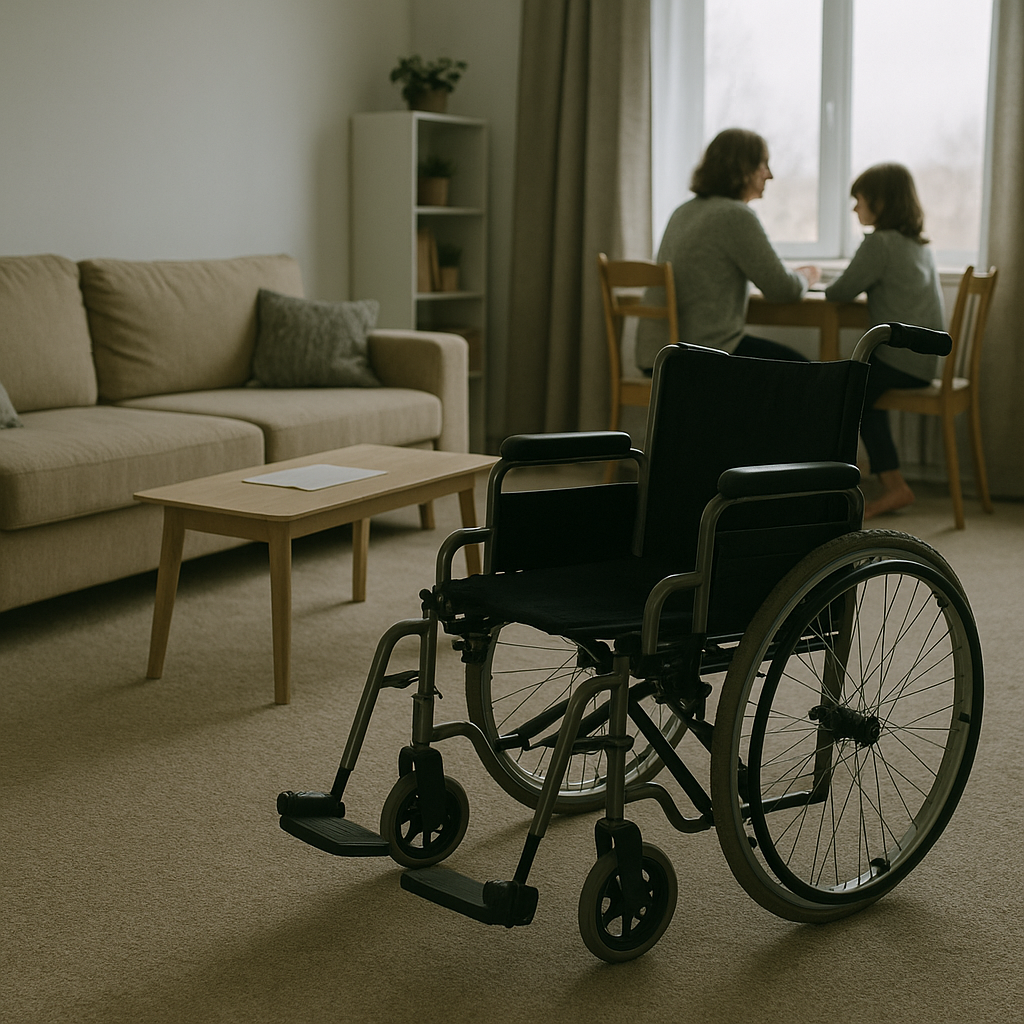
Family Impact of Long-Term Limitations
Living with long-term limitations—whether due to an accident, illness, or another major life event—can dramatically reshape a family’s daily experience. While the person directly affected faces unique physical or cognitive challenges, the entire household often navigates shifting roles, new emotional landscapes, and a variety of practical adjustments. Understanding the broader family impact of long term limitations offers a foundation for empathy, resilience, and adaptation.
Why Truck Accidents Affect Entire Households
Although every family’s situation is unique, accidents involving large vehicles such as trucks often introduce lasting limitations that impact more than just the individual injured. Recovery from significant injuries may involve extended hospitalization, lengthy rehabilitation, or permanent disabilities. This, in turn, means ongoing needs—ranging from mobility assistance to emotional support—which the family steps in to meet.
Moreover, the aftermath doesn’t just disrupt daily routines; it influences family finances, social lives, and the emotional climate at home. For example, a parent unable to work due to accident-related injuries might create both a financial gap and significant emotional weight for the household. Young children or elderly relatives may also sense the changes, leading to alterations in behavior, school performance, or overall well-being.
Common Family Role Changes
In the wake of long-term limitations, family structures often adapt in subtle and significant ways. These role changes are a direct reflection of the new needs of the household and the resilience of its members.
Shifts in Caregiving Responsibilities
One common adjustment involves the assignment of new caregiving roles. Partners frequently become primary caregivers overnight, and even children in the household may take on age-appropriate support tasks, such as helping with household chores or providing companionship. This shift can foster closeness but may also blur traditional boundaries between parent and child or spouse and spouse.
Financial Contribution Patterns
If the person with limitations was an income earner, the other members may need to find additional work or modify their hours. Teenagers might begin to work part-time to help with household bills, while family savings are redirected toward medical or accessibility expenses.
Expanded Support Networks
Sometimes, extended family members or friends become more involved, providing transportation, childcare, or respite care. This collective response demonstrates community resilience but may also introduce feelings of dependency or loss of privacy for the household.
Adjustments in Leisure and Social Activities
A family member’s mobility or cognitive limitations may limit participation in previous routines—such as weekend sports, school events, or vacations. Families often redefine what quality time looks like, prioritizing accessible and inclusive activities.
Communication Challenges Families Face
Long-term changes test even the strongest family bonds, particularly in the realm of communication. Open and honest dialogue is critical, yet may be difficult to maintain during periods of high stress.
Navigating Emotional Conversations
Families often struggle to speak candidly about fears, grief, and frustration. The individual with limitations might downplay their needs to avoid being a burden, while others may hide their own exhaustion or sadness in a well-intentioned attempt to “stay strong.” Over time, unexpressed feelings can lead to misunderstandings, resentment, or emotional distance.
Shifting Communication Roles
Who shares information with medical providers, manages appointments, or makes decisions may change. This redistribution of communication responsibility can feel overwhelming, especially for those unaccustomed to advocacy roles.
Supporting Younger Family Members
Children and adolescents often pick up on changes in mood and routine, even if not directly included in discussions. Open communication tailored to age and maturity levels helps them process changes, ask questions, and express emotions in a healthy way.
Addressing Isolation
Long-term limitations can result in reduced social interactions for the entire family. Feelings of isolation—whether for the individual with limitations or the family members providing care—can be addressed through active communication both inside and outside the household. Support groups, community resources, and technology-based solutions often play a role in keeping families connected.
Long-Term Emotional Adjustment Patterns
Over time, families typically move through a series of emotional adjustment patterns. These stages are not always linear, nor do all families experience them at the same pace or intensity.
Initial Adjustment and Shock
The period immediately following a major accident or diagnosis is often marked by shock, disbelief, or denial. Families focus on immediate medical needs and logistical arrangements. Short-term coping skills—such as rallying together and focusing on practical tasks—often dominate.
Periods of Grief and Loss
As the reality of long-term limitations becomes clearer, families may grieve the loss of previous routines and future plans. Sadness, anger, or guilt are common responses. Recognizing and validating these emotions as normal and shared within the family can be helpful.
Adaptation and Reorganization
Gradually, families begin to establish new routines, roles, and expectations. They may seek out support networks, learn new skills, and reimagine family goals and activities. Adaptation is not just about coping but also about finding new sources of strength, joy, and connection.
Fostering Resilience and Finding Meaning
In time, many families develop resilience and a renewed sense of purpose—sometimes discovering meaningful ways to advocate for others or contribute to their communities. Recognition of small achievements and milestone moments can build hope and confidence, both individually and collectively.
Conclusion
The family impact of long term limitations is widely felt, shaping not only the rhythms of daily life but also the internal dynamics and long-term trajectory of a household. While challenges are an inevitable part of this journey, families often discover new strategies for support, growth, and connection. With compassion, open communication, and flexibility, households can develop resilience in the face of change—creating a new version of togetherness that honors what was, while embracing what is possible.