
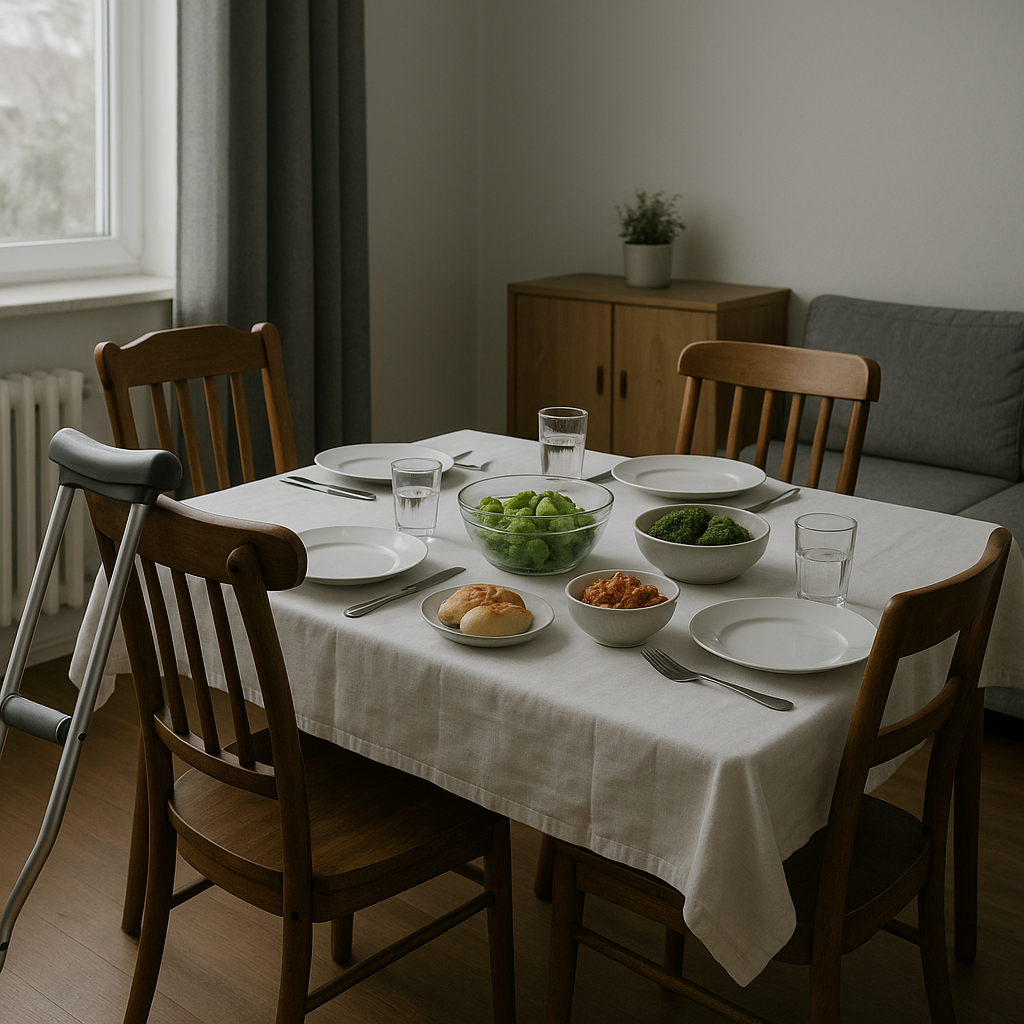
How Family Meals Change During Recovery
Family meals are far more than simply opportunities to eat together. They serve as daily rituals, sources of comfort, and anchors of normalcy. When a loved one is recovering from a traumatic event, such as a truck accident, many aspects of home life shift, often in subtle but significant ways. Among the less-discussed yet deeply meaningful changes are those that affect family mealtimes. This article explores how family meals change during recovery, offering insight into the adjustments, challenges, and new patterns that may emerge.
Why Truck Accidents Affect Entire Households
A truck accident doesn’t just impact the person directly involved—it can send ripples through the entire household. Physical injuries may require adjustments in routine, while emotional trauma can influence appetites, energy levels, and even the desire to socialize. Family meals, once a source of togetherness and predictability, can become both a challenge and an opportunity for healing.
During the recovery phase, the person injured may experience limited mobility, dietary restrictions, or pain that affects participation in meals. Family members may find themselves juggling caretaking responsibilities, managing appointments, and addressing their own emotional responses. The result is a shift in household dynamics, one that inevitably alters the way meals are planned, prepared, and experienced.
Common Family Role Changes
After a truck accident, families often find that the roles they are accustomed to shift considerably. The person who once handled grocery shopping and cooking may now need assistance, or may be unable to participate at all. Other members, perhaps those who were less involved in meal preparation before, may step forward to take on new responsibilities.
For example, a teenager might begin helping with meal prep, or a spouse may take over all cooking duties. If grandparents or other extended family members live nearby, they might become more involved in daily routines. These new roles can bring families closer together but can also be sources of stress, especially as everyone adjusts to unfamiliar tasks and expectations.
The layout of meals may also change. If the recovering family member needs special accommodations, such as a soft diet or eating with assistance, the family may gather in the living room instead of the kitchen or modify the timing of meals to suit medication schedules or therapy sessions.
Communication Challenges Families Face
With roles shifting and routines disrupted, communication becomes particularly important—yet also more complicated. Families may struggle to express their changing needs or emotions surrounding the recovery process. For some, mealtimes can become fraught if they are associated with stress, frustration, or sadness about what has changed.
Discussions about practical matters—such as what foods are safe or how to distribute new responsibilities—may be necessary but difficult. Some family members may avoid these conversations out of a desire to protect the recovering person’s feelings, or due to their own discomfort around the situation.
Additionally, mealtimes can highlight changes that everyone feels but may not know how to discuss. The absence of a favorite dish or a new seat at the table can serve as daily reminders of the family’s temporary—or sometimes permanent—changes. Open, compassionate communication is key to managing these challenges. Families who share their thoughts and feelings, encourage participation, and respect each other’s boundaries often find that mealtimes continue to serve as moments of connection and support, even amidst uncertainty.
Long-term Emotional Adjustment Patterns
As the weeks and months go by, families often adapt to new rhythms around mealtime. The initial tension or awkwardness may give way to a renewed appreciation for eating together, regardless of the form these meals take. For some, this might mean a return to the kitchen table; for others, it might involve quieter, more flexible gatherings.
Over time, healing can come not just from medical care, but from the daily rituals that signal stability and togetherness. Sharing meals—even if they are simple, or if assistive devices are needed—can encourage conversation, laughter, and comfort. Family members may develop a deeper sense of empathy and patience, learning to appreciate small moments and victories along the road to recovery.
While some families may mourn the loss of certain traditions, many discover new ones: sharing stories of the day over soup, planning simple meals together on Sundays, or setting aside time to enjoy favorite foods in new ways. These adjustments, though sometimes bittersweet, can strengthen connections and foster resilience. In the long term, families often report a stronger sense of unity and appreciation for the small routines that mark daily life.
Neutral Closing Paragraph
The journey of recovery brings significant variety to family meals, transforming them in practical and emotional ways. These changes, while sometimes challenging, offer opportunities for growth, adaptation, and renewed connection. By remaining flexible and open to new forms of togetherness, families can navigate the changes recovery brings. Through understanding, patience, and shared effort, family meals can continue to nourish both body and spirit as everyone moves forward together.