
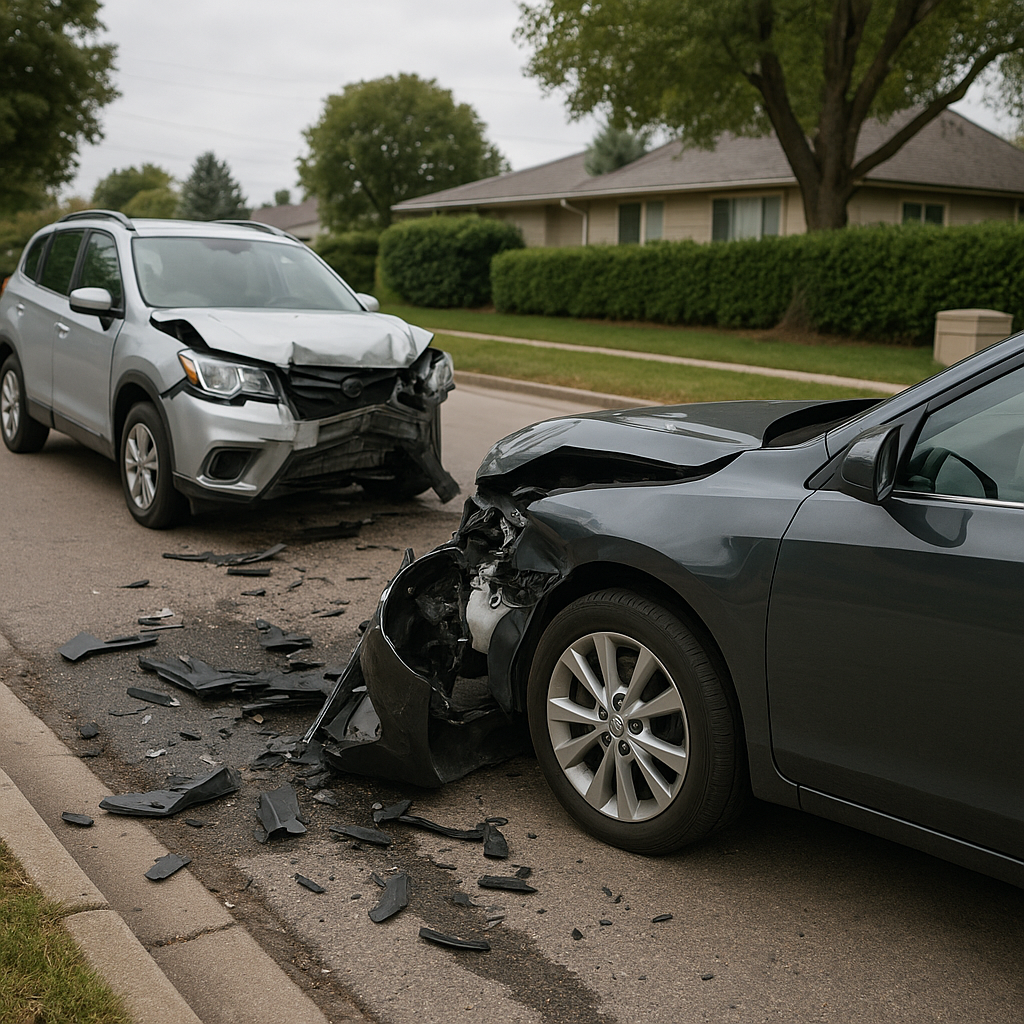
How to Rebuild Family Routines After a Crash
Life can change in an instant, especially when a truck accident affects your household. No matter the severity of the incident, the shockwaves often reach every member of the family. In the days and months after such a traumatic event, many families find themselves struggling to recover their sense of normalcy. Routines that once seemed automatic may suddenly feel overwhelming. If your family is on a journey to rebuild stability and comfort, know that healing takes time, patience, and communication. Here’s a compassionate, step-by-step look at how you can rebuild family routines after a crash.
Why Truck Accidents Affect Entire Households
When a family member is involved in a truck accident, the consequences generally extend far beyond physical injuries or damages. The stress of the event—and the aftermath—can disrupt the entire household. Even if only one person was present during the accident, loved ones can be just as affected emotionally and practically.
First, truck accidents often involve significant logistical and emotional responses. Medical appointments, vehicle repairs, and potential changes in employment or mobility can require significant family resources. Secondly, the sense of safety and predictability that once defined home life may feel threatened. The need to adapt quickly to new limitations or anxieties can create uncertainty, frustration, and a lingering sense of vulnerability.
Children may notice their caregivers are distracted or anxious. Partners may carry new emotional or practical burdens. In some households, even pets may sense and respond to the stress. Recognizing that everyone is impacted is the first step towards rebuilding routines and fostering resilience.
Common Family Role Changes
In the aftermath of a crash, it’s common for family roles to shift temporarily—or sometimes, for the long term. Adjusting to these changes can challenge even the most resilient households.
For instance, if a parent or caregiver is recovering physically, other members may need to pick up additional responsibilities such as driving, preparing meals, or helping with childcare. Children may feel compelled to be more self-reliant, or teenagers might take on roles that once belonged to adults. In two-parent households, the non-injured partner might shoulder increased emotional support duties as well as practical obligations.
It’s important to talk openly about these changes. Sometimes, the redistribution of roles can be empowering, fostering a sense of teamwork and shared purpose. At other times, family members might feel overwhelmed or resentful. Providing opportunities for everyone to express their feelings and ask for help is critical. Encouraging flexibility and compassion helps smooth the transition as everyone adjusts to new demands.
Communication Challenges Families Face
Strong communication is at the heart of every healthy family dynamic—especially after a crisis. However, families often face unique communication challenges when trying to rebuild routines after a crash.
The emotional aftershocks of a traumatic event can make it harder for people to speak openly. Children may be frightened to ask questions, sensing their parents are already under strain. Adults, meanwhile, might bottle up their feelings to avoid worrying others or reigniting painful memories. Misunderstandings can easily arise if emotions run high or if family members start to withdraw.
Families may also struggle to coordinate practical matters, like scheduling appointments or divvying up chores when the typical routine is no longer possible. These day-to-day obstacles can add to the emotional toll and cause tension.
To overcome these challenges, families can designate “check-in” times—brief but regular conversations focused on each person’s feelings and practical concerns. These meetings provide space for everyone to listen and be heard, and help prevent small issues from developing into bigger conflicts. Open and honest communication paves the way for more effective collaboration and smoother adjustment.
Long-Term Emotional Adjustment Patterns
Rebuilding family routines after a crash isn’t only about addressing immediate practical matters; it’s also about supporting long-term emotional well-being. The emotional adjustment process varies for every individual and household.
Some family members may bounce back quickly, while others might continue to struggle with anxiety, irritability, or sadness. For children, emotional distress might show up as behavioral changes, withdrawal, or trouble at school. Teens might mask their feelings, while adults might push themselves too hard to restore “normalcy,” risking burnout.
Normalization—bringing back familiar routines such as meal times, family game nights, or weekend walks—can encourage a sense of safety and predictability. Small, achievable steps can be powerful. Families often benefit from introducing new traditions or rituals that honor the recovery process, such as weekly gratitude discussions or a shared art project. These can help everyone feel connected during a time of transition.
Community support—whether from friends, religious groups, or mental health professionals—can also play a crucial role in emotional healing. Participation in support groups or talking with a counselor can provide invaluable coping tools for both adults and children.
Patience is key. Emotional adjustment isn’t linear, and setbacks are normal. Celebrating progress, however small, helps maintain hope as your household gradually reclaims its rhythm.
Neutral Closing Paragraph
There is no single formula for how to rebuild family routines after a crash, but with patience, flexibility, and open communication, families can create new patterns of stability and connection. Every household’s recovery is unique, unfolding at its own pace. By acknowledging challenges, supporting one another, and seeking help when needed, families can navigate the aftermath of a traumatic event with resilience and care. Through shared effort and understanding, a sense of routine and comfort can return, paving the way for continued healing and strength.