
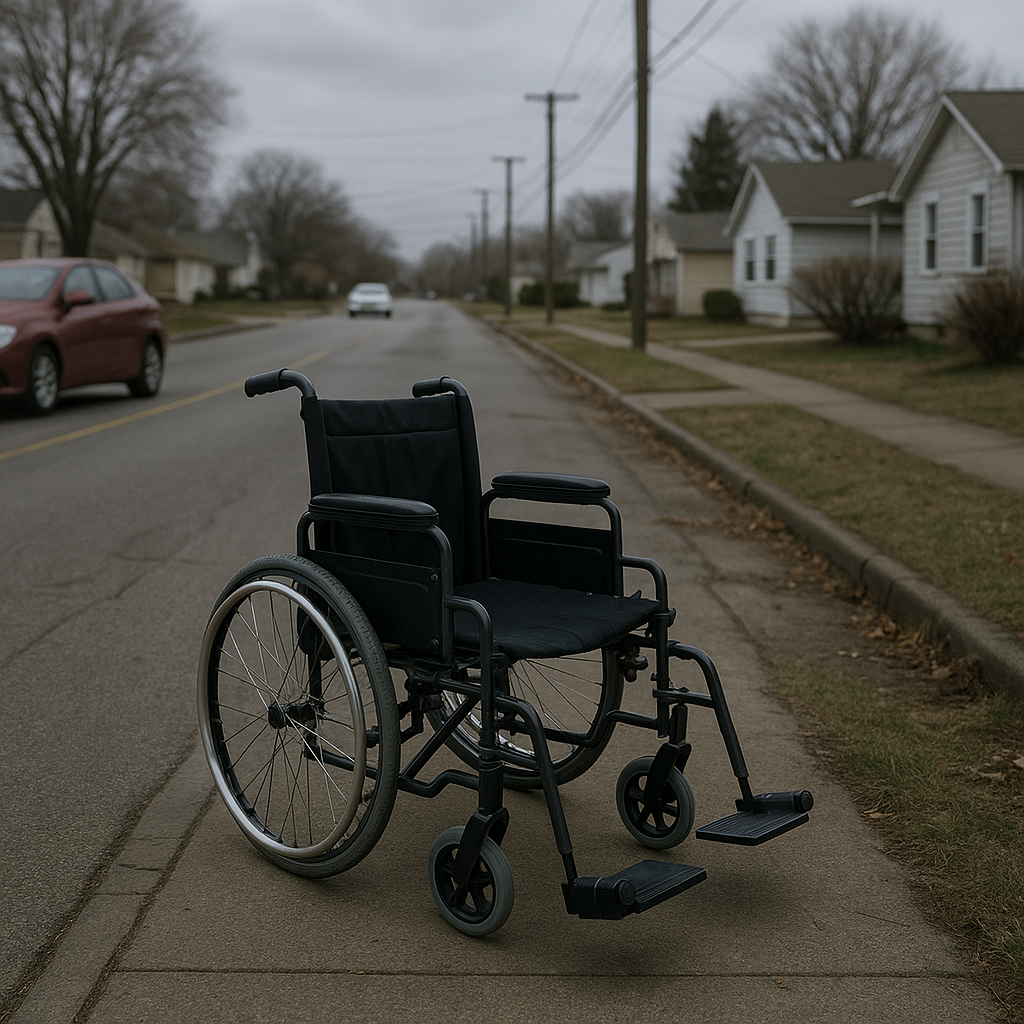
Why Does Recovery Feel So Slow?
Why This Question is Common After Severe Accidents
The question “Why does recovery feel so slow?” often arises in the aftermath of severe accidents. Individuals may vividly remember the suddenness and violence of the trauma, while the subsequent recovery unfolds in contrast—gradually, quietly, and with unpredictable turns. This contrast between the immediacy of the accident and the long, sometimes uneven trajectory of healing naturally leads to frustration and confusion.
During the acute phase, support is often abundant from medical staff, family, and friends. As time passes, everyday routines gradually reclaim attention, leaving those in recovery feeling less seen and their progress less acknowledged. Each day can blend into the next, making it harder to perceive forward motion. Even with visible improvements, the pace rarely matches expectations set by movies, narratives of “bouncing back,” or our own hopes for a quick return to normal. All of this can make recovery feel slow—sometimes painfully so.
Clear Neutral Explanation
Recovery after an accident is a complex, variable process influenced by multiple factors. Physical healing, such as bone repair, tissue regeneration, or nerve recovery, operates on biological timelines set by the body’s internal mechanisms. These processes occur at rates that may feel glacial in comparison to everyday notions of progress. For example, bone healing can take weeks to months, while nerve and tissue repair may stretch out even longer.
Beyond physical repair, cognitive and emotional aspects of recovery have their own rhythms. The shock, stress, and trauma of the accident activate intricate responses in the brain and nervous system, sometimes making concentration, memory, and emotional regulation more difficult. These symptoms may not follow a straight line of improvement, and can feel especially persistent.
Doctors and therapists often describe recovery as non-linear—it comes with ups and downs, plateaus, and even moments that feel like setbacks. Fluctuations in pain levels, energy, and emotional state create an illusion of stagnation, even though deeper progress may be happening. Underlying physiological factors, such as inflammation, the body’s energy reserves, and genetic differences, mean that no two recoveries are identical.
Environmental and social factors also shape the pace and perception of recovery. Access to physical therapy, emotional support, and adaptive equipment can all influence outcomes. Equally, the expectations set by ourselves or those around us can make days seem to drag or progress appear invisible, even when healing is occurring behind the scenes.
Helpful Emotional Context
Experiencing a sense of slowness in recovery is shaped not just by biology but by powerful emotional forces. Grief often coexists with healing—a natural response to physical pain, loss of function, or disruptions to life plans. The human mind yearns for clear milestones, yet recovery is often experienced as a gradual accumulation of tiny gains that are easy to overlook in the moment.
Feelings of isolation may increase if reassurance from others becomes less frequent over time. While early check-ins or visits may taper off, the need for validation and encouragement remains. Without visible evidence of progress, frustration can mount. Yet, this emotional landscape is an intrinsic part of the healing process, not a sign of personal failure.
The sense that “recovery feels slow after accident” is often a reflection of longing for normalcy and connection, mingled with absent markers of quick success. Acknowledging this emotional context can offer greater understanding and self-compassion during the healing journey.
Common Misconceptions
There are several prevalent misconceptions that can skew perceptions of recovery after an accident:
1. Healing Should be Linear: There is a common belief that recovery moves forward at a steady pace. In reality, healing involves setbacks, plateaus, and sometimes periods where progress is invisible.
2. Visible Healing Equals Overall Recovery: The absence of an obvious wound or cast may suggest to others—and at times to oneself—that the body is fully healed. Internal healing, especially neurological or psychological, can be slower and less apparent.
3. Comparing to Others: Stories of rapid or “miraculous” recoveries are often highlighted, but each recovery timeline is highly individual, influenced by personal medical history, age, accident severity, and support systems.
4. Productivity as a Measure of Health: There can be pressure to return quickly to work, school, or daily obligations. The idea that productivity signals health can create unrealistic benchmarks and amplify disappointment.
Recognizing these misconceptions helps explain why recovery often feels so much slower in reality than in expectation.
Closing Paragraph
The sensation that “recovery feels slow after accident” is rooted in both the genuine pace of physical and emotional healing, and the contrast between expectation and lived experience. Recovery unfolds at its own rhythm, distinct from the speed of daily life, and is shaped by biological, psychological, and social factors. Understanding these dynamics can offer reassurance that the feeling of slowness is a natural response to an inherently gradual and non-linear process. Over time, the subtle gains accumulate into lasting progress, even if they are not always visible day to day.