
Why Caregivers Feel Guilt After Accidents
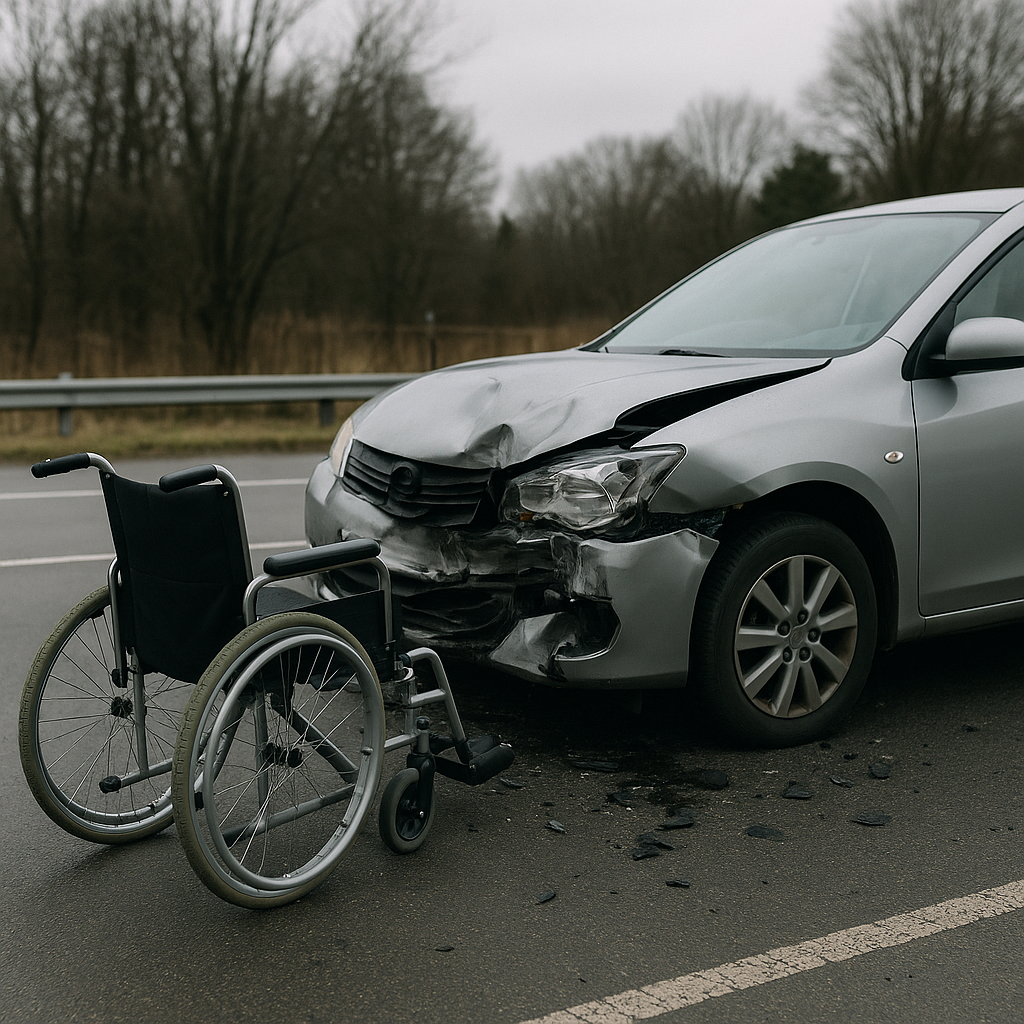
When a loved one experiences a life-changing accident, such as a truck accident, the emotional impact ripples through the entire household. Among those most affected are caregivers—spouses, parents, children, or close friends who take on the responsibility of helping the accident survivor recover. While caregiving is a compassionate act, it is often accompanied by complex emotions. One of the most common—and sometimes unspoken—feelings is guilt. This article explores why caregivers feel guilt after accidents, the ways families are affected, and the path toward emotional adjustment.
Why Truck Accidents Affect Entire Households
Truck accidents can be sudden and life-altering events, leaving survivors with physical injuries, emotional trauma, and, in some cases, permanent disabilities. But the effects extend far beyond the individual injured.
After an accident, caregivers face a new reality of supporting their loved one, managing medical appointments, adapting the home environment, and coping with the emotional fallout. Everyday routines are disrupted, and family dynamics shift as everyone tries to adjust. The sense that “life will never be the same” is a common thread among households affected by serious accidents.
The reasons why caregivers feel guilt after accidents are as complex as the event itself. For some, guilt emerges from the belief that they should have prevented the accident, even when this is not realistic. Others may feel guilt about resenting the new demands on their time and energy. This guilt can be compounded by exhaustion, sadness, and worry—all natural reactions to a significant change in the household.
Common Family Role Changes
An accident triggers changes in day-to-day roles, often suddenly and without warning. Before the accident, family members may have divided tasks along established lines: one partner works outside the home, another manages the household, or children and adults share responsibilities. An accident can turn these arrangements upside down.
For example, a spouse who never handled household finances might be thrust into that position; a teenager may need to help care for a parent; or a grandparent may move in to assist with childcare. The primary caregiver—often the partner or parent—shoulders not only increased practical demands but also a significant emotional load.
These shifts create an environment ripe for caregiver guilt. Caregivers may worry they’re doing things “wrong,” resent the loss of their former life, or feel guilty for missing their own personal or professional goals. They may also grieve the loss of the relationship dynamic they once enjoyed with their loved one.
Communication Challenges Families Face
Another reason caregivers feel guilt after accidents is the challenge of maintaining open, effective communication. Both survivors and caregivers often struggle to express their feelings honestly, fearing they’ll add to each other’s burdens.
For injured family members, expressing pain, frustration, or sadness can feel like a burden to their caregiver. In turn, caregivers may avoid sharing their own struggles, guilt, or fatigue out of fear of seeming unsupportive. Over time, this lack of communication can build into unspoken resentment or loneliness, making guilt even more pronounced.
Misunderstandings can develop easily—for example, a caregiver may believe they’re falling short, while the injured person wishes for more independence. These unspoken dynamics highlight the importance of patience and compassion, not just for the person recovering, but also for those providing daily support.
Long-term Emotional Adjustment Patterns
The emotional adjustment process after an accident—and the guilt caregivers feel—often follows a non-linear course. Some caregivers experience ongoing guilt that persists for months or even years, while others see their feelings ease as the family adapts to its new reality.
Common adjustment patterns include:
– Initial Shock and Overwhelm: In the days and weeks after an accident, caregivers are often inundated with medical decisions, logistical changes, and emotional upheaval. Guilt may emerge as they struggle to keep up.
– Chronic Stress: As caregiving becomes part of daily life, ongoing fatigue and stress may bring about “secondary guilt”—feeling bad for experiencing frustration or wishing life would return to normal.
– Adapting and Acceptance: With time, families often find new routines, and caregivers gain confidence in their roles. Guilt may remain but becomes less central, replaced by acceptance or even pride in their ability to cope.
– Relapses and Triggers: Certain milestones or setbacks—such as anniversaries of the accident, a medical complication, or missed family events—can trigger fresh waves of guilt or sadness. This ebb and flow is a normal part of long-term coping.
It’s also worth noting that support groups, counseling, and open family discussions help many caregivers move beyond guilt to healthier emotional ground. Just as physical wounds heal over time, emotional wounds can as well, especially with the right support and understanding.
Neutral Closing Paragraph
Caregiving after a significant accident presents emotional and practical challenges that touch every member of the household. Feelings of guilt are common, arising from concerns about role changes, communication barriers, and the desire to provide the best possible support. While every family’s journey is different, acknowledging these emotions and seeking support can make a meaningful difference as everyone works towards long-term healing and adjustment.