
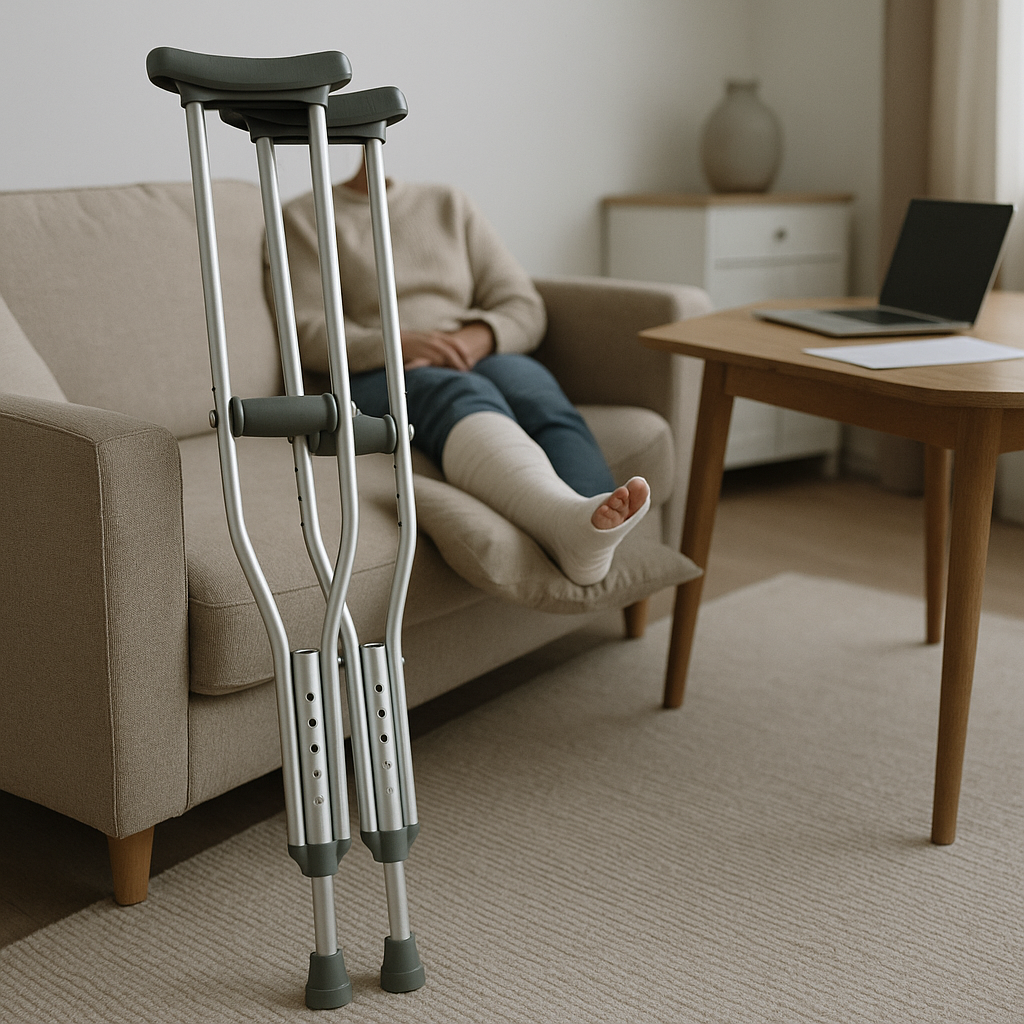
How Spouses Handle Taking On Extra Responsibilities After an Injury
Life can change in an instant. When a serious injury occurs—especially one caused by something as unexpected as a truck accident—it doesn’t just impact the individual who is hurt. Instead, the effect ripples through the entire household, with spouses often finding themselves with new and sometimes overwhelming responsibilities. Understanding how spouses navigate these changes is essential for fostering compassion and resilience in families facing similar challenges.
Why Truck Accidents Affect Entire Households
Truck accidents can be particularly disruptive due to the severe and long-lasting injuries they often cause. When one household member is sidelined by a serious injury, the dynamic at home shifts quickly. The injured spouse may be unable to perform their usual roles or must temporarily step back from daily routines. The emotional and practical burden frequently lands on the uninjured partner, who not only worries about their loved one’s recovery but also has to juggle increased family and household demands.
For example, if the injured spouse was previously the primary breadwinner or managed the majority of household tasks, their inability to contribute in these ways can lead to significant adjustments. Spouses may suddenly need to learn new skills or adapt to a different daily routine—all while supporting their partner’s recovery. The adjustment is rarely easy, but many spouses rise to the occasion, discovering resilience and adaptability they may not have realized they possessed.
Common Family Role Changes
A major injury often leads to significant alterations in daily life. Spouses may suddenly find themselves responsible for tasks that were once shared or handled mainly by their partner. Common shifts include:
– Financial Management: When the injured spouse managed the household finances, the other partner may need to step up to pay bills, handle insurance claims, and create or revise budgets.
– Parenting and Childcare: One spouse might take over routines such as school pick-ups, meal preparation, homework supervision, and bedtime rituals.
– Household Chores: Everyday responsibilities like laundry, grocery shopping, cooking, and cleaning may now fall to the uninjured spouse, often on top of their usual obligations.
– Medical Caregiving: Spouses might need to learn basic (and sometimes complex) caregiving skills, such as helping with mobility, administering medication, or attending doctor’s appointments.
– Employment Adjustments: Some individuals reduce their work hours or take leave from their own jobs to care for their partner or manage increased family responsibilities.
Taking on these new roles can be a steep learning curve. It’s natural for spouses to feel overwhelmed, especially when these changes seem daunting or never-ending. However, many partners find that with time, support, and patience, they can adapt their routines and find new ways to work together as a family.
Communication Challenges Families Face
Changes in family roles come with emotional challenges as well as practical ones, with communication often standing as one of the biggest hurdles. Families might struggle to express their needs and frustrations openly, leading to misunderstandings or unspoken resentments.
A few common communication challenges include:
– Feeling Unappreciated: The spouse taking on extra responsibilities may feel underappreciated or invisible in their efforts, especially if stress leads to short tempers or withdrawals.
– Feeling Guilty: The injured partner may feel guilty about their inability to contribute or “be a burden” to their loved ones.
– Different Coping Styles: Every individual copes with stress and change differently. One partner may want to talk through every issue, while the other prefers to process quietly or focus on practical solutions.
– Avoidance of Difficult Topics: Sometimes, both partners avoid discussing crucial topics—such as long-term plans or feelings about the future—out of fear of causing distress.
Families may find it helpful to set aside regular times for check-ins, where both partners can openly share their feelings and discuss what’s working or needs adjustment. Even small gestures of appreciation can help partners feel seen and valued during difficult times.
Long-Term Emotional Adjustment Patterns
Handling extra responsibilities after a traumatic injury is not a short-term challenge. The adjustment process can last months or even years, with spouses experiencing a wide range of emotions as they settle into new routines.
1. Initial Overwhelm: The early days and weeks after the accident are often marked by shock, confusion, and exhaustion. Spouses may feel as if they’re running on autopilot as they navigate urgent medical needs and household logistics.
2. Acceptance and Adaptation: Over time, many families gradually adapt to their “new normal.” Routines stabilize, and partners often develop patterns to make household and caregiving roles more manageable. Flexibility and creativity are key during this stage.
3. Personal Growth: Many spouses describe unexpected personal growth. They might become more confident in their abilities, discover hidden strengths, or find new ways to connect with their partner and children.
4. Ongoing Grief and Hope: It’s natural to experience grief over lost abilities, postponed dreams, or changed circumstances. At the same time, hope often resurfaces as families witness progress in their loved one’s recovery or develop new sources of satisfaction and enjoyment.
5. The Value of Support: Connecting with other families in similar situations can be extremely helpful. Whether through local support groups or online communities, sharing experiences can reduce feelings of isolation and offer practical tips for managing stress.
It’s important to recognize that adjustment doesn’t mean “getting over” what happened. Instead, it’s about finding ways to integrate the new situation into daily life, fostering resilience, empathy, and—often—a deeper bond of partnership.
Continuing Forward as a Stronger Family
Taking on extra responsibilities after a spouse’s injury is a major life transition, but it’s also an opportunity for families to discover new strengths together. While the process is rarely easy, many couples find that with time, patience, and support, they can adapt to their new circumstances and move forward. Open communication, mutual appreciation, and willingness to seek help when needed can all ease the journey, allowing the family to learn, grow, and ultimately thrive as a more resilient unit.