
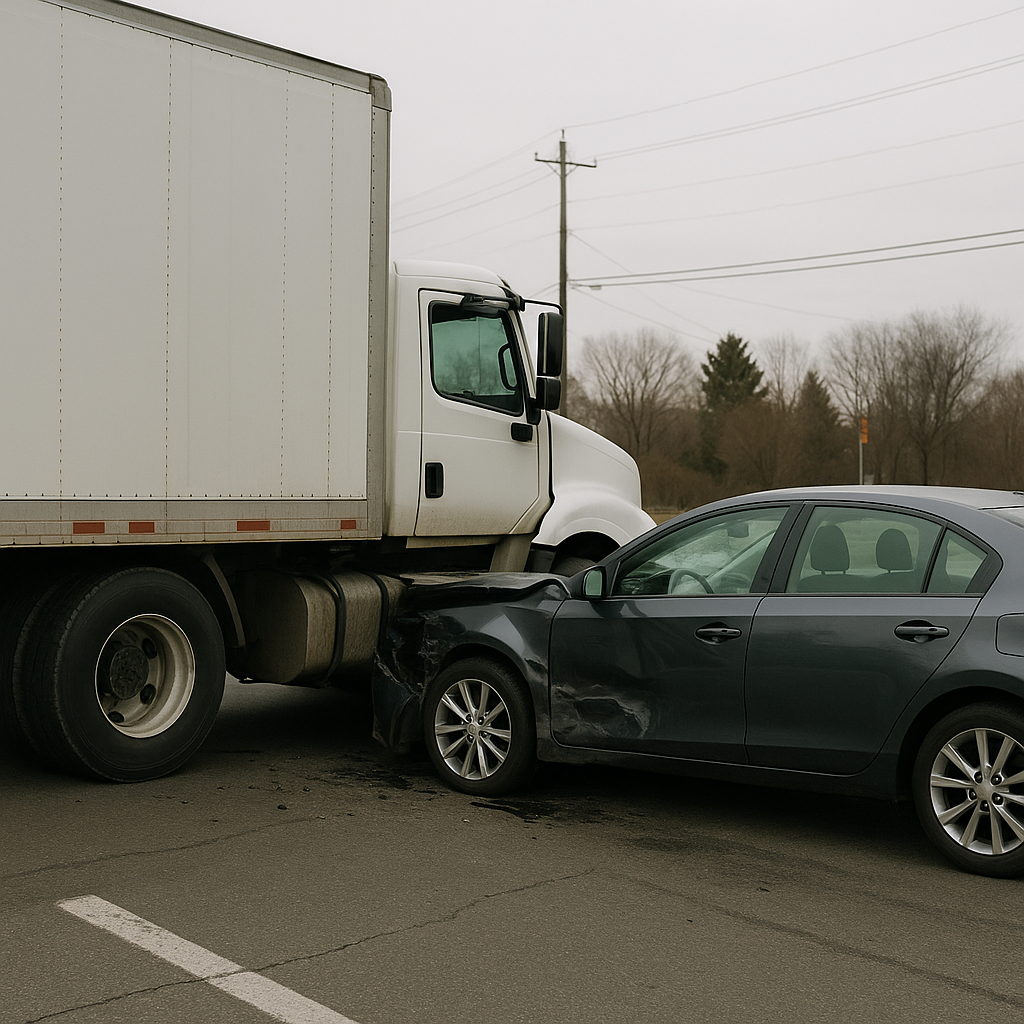
Why Family Tension Increases After Truck Accidents
Truck accidents are among the most serious and disruptive road incidents. They often result in physical injuries, emotional turbulence, and significant lifestyle changes for those affected. While much focus is placed on the injured individual, these events deeply impact entire households. Family members may find themselves experiencing increased tension, stress, and unexpected challenges in the aftermath. Understanding why family tension increases after a truck accident can help loved ones navigate the recovery process with empathy and insight.
Why Truck Accidents Affect Entire Households
A truck accident is a traumatic experience, not only for the person directly involved but for everyone connected to them. The repercussions ripple through the family unit, sparking practical concerns, emotional strain, and sometimes even financial instability.
In most cases, families are interdependent; every member plays a role in ensuring daily routines run smoothly. When one person is suddenly unable to contribute as before—due to injury, emotional distress, or time spent in recovery—the whole dynamic shifts. Household responsibilities, financial contributions, and emotional support systems may all need to be adjusted, sometimes overnight. These adjustments demand flexibility and resilience from all family members.
Additionally, truck accidents often provoke heightened fears about safety and uncertainty about the future. Loved ones may grapple with worries about the injured individual’s prognosis, medical bills, and how to manage the household moving forward. The emotional aftermath can linger long after physical wounds have healed.
Common Family Role Changes
A serious truck accident commonly precipitates significant changes in family roles and routines. When a loved one is hospitalized or in recovery, others may be required to assume new responsibilities and adapt to unfamiliar tasks.
1. Caregiver shifts
One of the most significant changes occurs when a spouse, parent, or child steps into a caregiver role. Providing care involves more than physical tasks like helping with daily activities; it can also mean managing schedules, coordinating medical appointments, and learning new skills. This shift can be rewarding, but it often leads to fatigue, frustration, and stress if the caregiver does not receive adequate support or respite.
2. Changes in parental duties
For families with children, one parent’s incapacity after a truck accident can require the other to take on additional child-rearing responsibilities. This increased burden can leave the well parent feeling exhausted and overwhelmed, especially if they are balancing work and home life alone.
3. Older children taking on adult roles
Teenagers or older children may feel pressure to contribute more, whether through household chores, babysitting younger siblings, or even part-time work. While this responsibility can foster maturity, it may also breed resentment or anxiety if they feel unprepared or unsupported.
4. Financial role adjustments
If the primary breadwinner is injured, another family member may try to supplement the lost income. This can mean taking an additional job or working longer hours, straining time for rest and family connection. Financial anxiety can permeate the household, affecting everyone’s well-being.
5. Emotional support roles
Family members may need to spend extra energy reassuring each other, especially children. Navigating an environment where one person is always in distress or pain can leave others feeling helpless or emotionally drained.
These role changes, while sometimes necessary, can blur boundaries, increase misunderstandings, and spark tension as everyone adjusts to their new “normal.”
Communication Challenges Families Face
Communication is a powerful tool for easing stress and confusion during times of crisis. However, after a traumatic event like a truck accident, families often face unique communication challenges that can exacerbate tension.
1. Avoidance or denial
Sometimes, family members avoid discussing the accident or its effects, hoping that time will restore normalcy. This avoidance may stem from a desire to protect one another from pain, but it can prevent important issues from being addressed and emotional needs from being met.
2. Increased irritability
Physical pain, fatigue, and frustration can make people more irritable and prone to snapping at loved ones. Small misunderstandings can escalate quickly. Children may misinterpret their parents’ stress as anger directed at them, leading to additional anxiety or acting out.
3. Difficulty expressing emotions
Not all family members have the same ability or comfort level when discussing feelings. Some may bottle up emotions, while others may express them through tears or outbursts. Recognizing and respecting these differences is crucial for maintaining harmony.
4. Guilt and blame
It’s also not uncommon for feelings of guilt or blame to emerge. An injured person may feel guilty for burdening loved ones, while others may feel guilty that they escaped harm. In rare cases, blame may be assigned—rightly or wrongly—which can damage familial trust and unity.
5. Overprotectiveness
Concern for the injured member’s well-being can lead to overprotectiveness, potentially discouraging their independence or generating resentment. Balancing care with autonomy is a delicate but important aspect of healthy communication.
Overcoming these communication barriers requires consistent effort, patience, and sometimes outside guidance. Allowing room for honest conversations and recognizing each person’s feelings can help alleviate tension and foster mutual support.
Long-Term Emotional Adjustment Patterns
Family tension after a truck accident does not necessarily dissipate once the immediate crisis passes. Long-term emotional adjustments are often necessary as families adapt to lasting changes—whether they be chronic pain, permanent disability, or altered family routines.
1. Grieving the “old normal”
Family members may go through a period of grief as they realize life will not return to how it was before the accident. This grieving process can include denial, anger, bargaining, depression, and eventually acceptance. Each member’s timeline for adjustment may be different, requiring compassion and understanding.
2. Building new routines
Adapting to new realities might involve creative problem-solving and an openness to redefining roles within the family. Developing new routines can instill a sense of control and predictability, easing stress.
3. Emotional resilience
Over time, families often develop tools and coping skills—such as open communication, seeking support, or pursuing counseling—to help manage emotional ups and downs. Building emotional resilience is not always linear, and setbacks are common, but progress is possible.
4. Exploring support systems
Finding community resources, peer support groups, or counseling can play a vital role in long-term adaptation. These resources can introduce new perspectives and alleviate feelings of isolation that sometimes accompany significant life changes.
Understanding and Navigating Family Tension
Family tension increases after a truck accident for a multitude of reasons: changing roles, communication hurdles, and the emotional toll of adjustment. Recognizing these issues with compassion and patience is a critical first step toward healing. With time, support, and open dialogue, families can find pathways to adapt and grow stronger together, even in the face of profound challenges.