
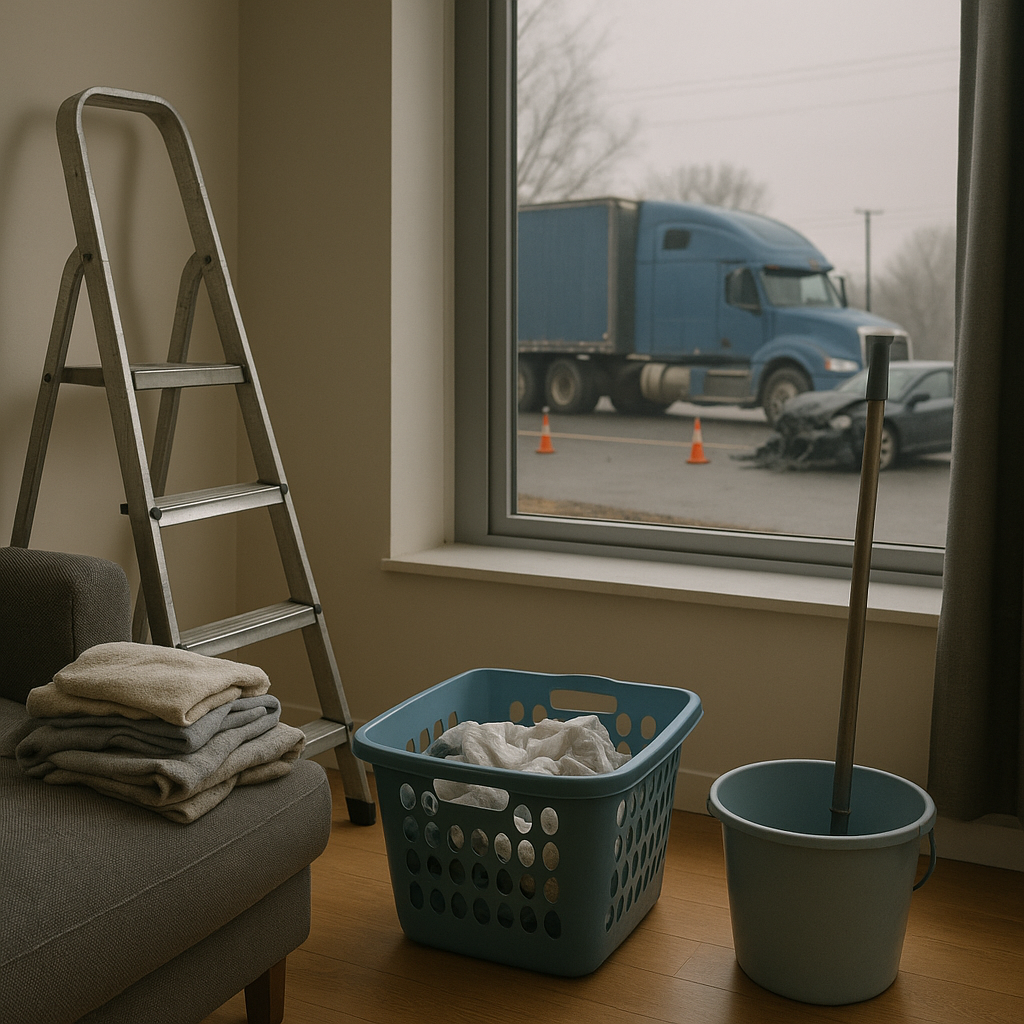
Household Responsibility Shifts After Truck Injuries
When a member of a household suffers an injury in a truck accident, the ripples of that event touch everyone living under the same roof. While much attention is often (and understandably) focused on the injured individual’s recovery, it is crucial to recognize the less-visible challenges that arise for families—particularly in how everyday roles and responsibilities evolve. Exploring these shifts provides important insight into how families can adapt, support one another, and find new sources of resilience.
Why Truck Accidents Affect Entire Households
When someone experiences a major truck accident injury, the impact rarely remains confined to just that person. Injuries sustained in such accidents can be severe, sometimes involving surgeries, mobility limitations, chronic pain, or the need for extended rehabilitation. These changes introduce a new reality for the individual, often making it difficult to perform everyday tasks that once came effortlessly.
As a result, the roles and duties within a household must change to meet the injured person’s needs. Routine chores—such as groceries, cooking, housekeeping, child care, and even personal care—may need to be redistributed. Family members may find themselves managing medical appointments, rehabilitation scheduling, and medication management. Everyday life becomes a collaborative effort requiring flexibility and compassion.
Beyond physical tasks, the emotional and psychological aftermath of a truck accident can create a shift in household dynamics. Recovery is not just about the body—it also involves navigating uncertainty, stress, and new logistical challenges together.
Common Family Role Changes
Truck accident injuries often prompt a major reshuffle of established family roles. Household responsibility shifts after an injury typically follow several patterns:
1. Redistribution of Domestic Duties:
Tasks previously carried out by the injured person, such as laundry, cooking, and cleaning, are often reassigned. Spouses, children, or extended family members may step in to cover these gaps. In some cases, certain chores are delegated to older children earlier than anticipated, or families may alternate responsibilities to balance the load.
2. Role Reversal:
Traditional roles can be reversed. For instance, an individual who was the primary breadwinner, driver, or main caregiver may become dependent on their spouse or others for help with daily activities. Others may take up part-time work or additional shifts outside the home to compensate for lost income.
3. Increased Psychological and Emotional Support:
Family members, especially spouses or partners, often take on a dual role—providing both emotional support to the injured loved one and practical support through daily chores. Siblings or children may also need more reassurance and guidance, adjusting to seeing a parent or guardian in a vulnerable position.
4. Logistical Coordination:
Managing appointments, therapy sessions, and care schedules can become a job in itself. Often, someone in the family assumes the role of primary coordinator to ensure no details are missed.
5. Adaptation and Flexibility:
Families sometimes need to make living space modifications—such as rearranging furniture for mobility aids or creating accessible environments. Maintenance tasks that require physical strength may be handled by different family members or postponed entirely until help is available.
Communication Challenges Families Face
As household dynamics shift, communication can become more complicated. Stress, fatigue, and the emotional toll of adapting to a new reality can make it harder for family members to express needs or listen effectively.
1. Unspoken Expectations:
Family members might assume that others know what they need or expect others to “just pitch in.” This can lead to misunderstandings, frustration, and feelings of being overwhelmed.
2. Unbalanced Workload:
Without open dialogue, the redistribution of responsibilities may not be equitable. The primary caregiver or support person might struggle to ask for help, leading to burnout or resentment.
3. Emotional Vulnerability:
It can be difficult for the injured person to ask for assistance, fearing loss of independence or feeling like a burden. Simultaneously, caregivers and supporters might feel guilty for expressing their own frustrations or anxieties, attempting to stay positive for the family.
4. Children’s Perspectives:
Children, in particular, may struggle to understand the changes. They may have concerns for their injured parent and confusion about new expectations. Open discussions suited to their age and emotional maturity help them process the changes and voice their worries.
5. Finding Time to Communicate:
With new schedules and increased demands, families may struggle to find time for meaningful conversations. Deliberately setting aside time for family meetings or quick check-ins can help everyone stay connected and informed.
Long-Term Emotional Adjustment Patterns
Emotional adjustment to life after a truck injury is a long-term process for the entire family. Initially, there may be a surge of energy and unity while everyone rallies to support the recovering family member. Over time, however, the ongoing nature of new responsibilities and uncertainties may bring about different patterns of adjustment.
1. Acceptance and Adaptation:
Gradually, household members often settle into new routines. They may find pride in teamwork and resourcefulness, even as they grieve the loss of their former lifestyle. Family members learn to adapt to fluctuations in the injured person’s health and needs.
2. Emotional Ups and Downs:
Shifts in mood are common. Moments of hope and progress can alternate with periods of frustration or sadness. Recognizing this as part of the adjustment process can help families approach setbacks with empathy, rather than self-criticism.
3. Seeking Support:
Families may reach out for external support—from extended family, friends, religious communities, or professional counselors. Peer support groups for caregivers or individuals with similar injuries can also provide valuable perspective and encouragement.
4. Building New Sources of Meaning:
Over time, families may discover new strengths and sources of resilience. Many develop a deeper understanding of one another. This journey, while challenging, can bring opportunities for growth and renewed connection.
Neutral Closing Paragraph
Household responsibility shifts after a truck injury are a complex and deeply personal process. Each family’s experience is unique, influenced by their pre-injury dynamics, the nature and extent of the injury, and the resources available to them. By understanding the practical and emotional changes that can occur, families can navigate this period with greater awareness and compassion for themselves and each other. Ongoing communication, flexibility, and a willingness to seek support can help households adjust to their new routines, fostering resilience for the future.