
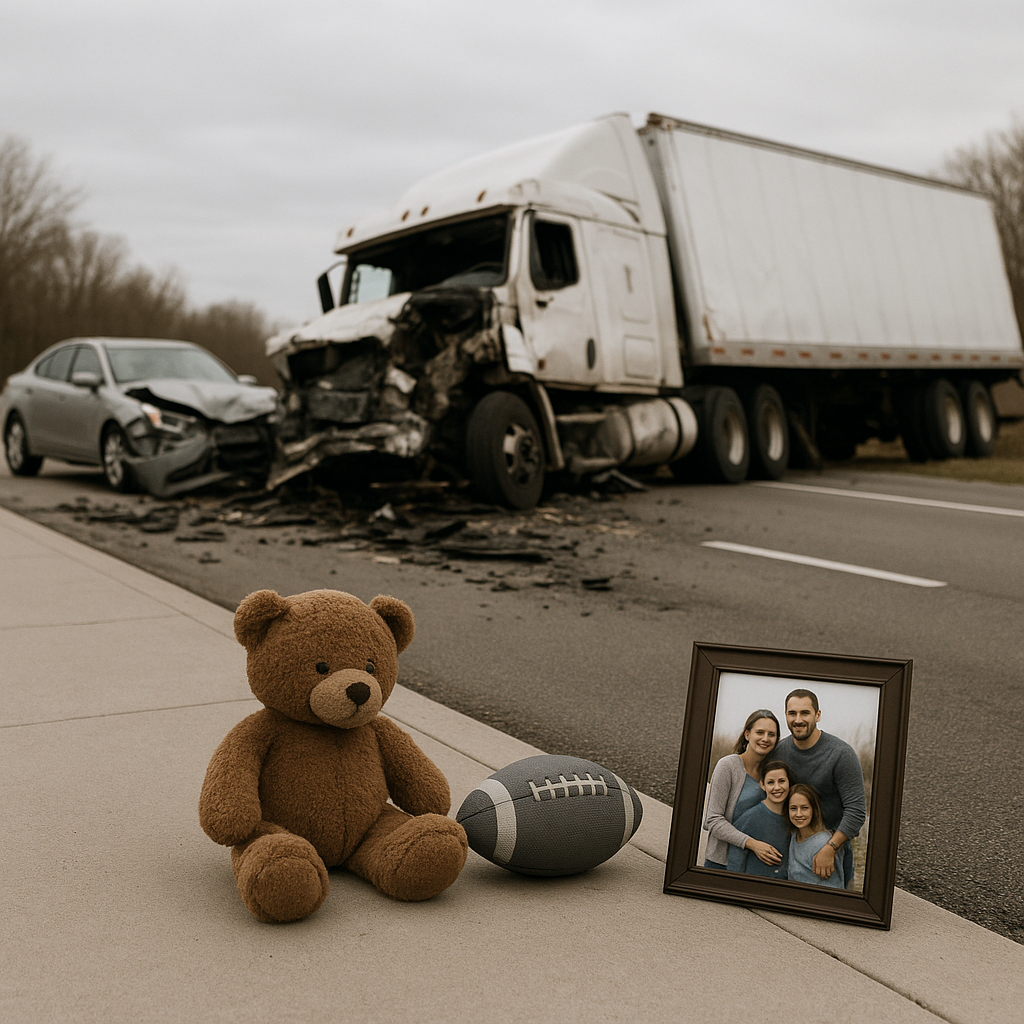
What Families Go Through After Severe Truck Accidents
Severe truck accidents disrupt lives in an instant. While much attention is rightfully placed on the individual who is injured, the truth is that these traumatic events send shockwaves through every member of a family. The aftermath can be a long and challenging journey for spouses, children, grandparents, and even close friends. By understanding what families go through during and after severe truck accidents, communities and support networks can provide better care and compassion to those affected in the weeks, months, and years that follow.
Why Truck Accidents Affect Entire Households
Unlike minor car incidents, severe truck accidents often result in significant physical injuries, extended hospital stays, and lasting psychological scars. When faced with such a life-changing event, the daily routine and emotional well-being of the entire household are impacted.
Families do not operate in isolation—each member’s wellbeing is interconnected. When one person is dealing with injury, pain, or trauma, others must adapt to accommodate new needs and responsibilities. This could include taking on additional caregiving roles, managing financial uncertainties due to lost income, or adjusting childcare and household duties. The ripple effect can be felt in a family’s relationships, schedules, and overall sense of stability.
Emotional responses can be complex and varied. For some, there may be a lingering sense of shock or disbelief; for others, anxiety about the future becomes a daily companion. Feelings of helplessness may arise as family members try to provide support, cope with their own emotions, and make sense of a changed reality.
Common Family Role Changes
In the aftermath of a severe truck accident, longstanding family roles often shift in unexpected ways. Parents who were once breadwinners may find themselves dependent on their spouse or adult children. Children may feel the need to mature quickly, taking on household chores or even providing emotional comfort to adults.
For spouses or partners, the adjustment can be particularly significant. The well member may need to become a primary caregiver, which might include tasks ranging from personal hygiene assistance to arranging medical appointments or managing complex medications. It’s not unusual for partners to feel overwhelmed by the sudden increase in responsibilities, especially if they are also managing work commitments or caring for young children.
Extended family members are sometimes called upon for help with daily logistics, such as driving children to school or preparing meals. Grandparents or siblings might temporarily move in or contribute financially. This kind of collective response is common, but it can place additional stress on relationships, especially if family members have differing opinions about what is best for the person recovering from the accident.
Children face unique challenges as family roles change. They may worry about the wellbeing of the injured relative or react to changes in parental attention and household rules. Some children become more withdrawn, while others attempt to ‘step up’ in ways that are not always age-appropriate. Parents need to remain attentive to these adjustments and provide reassurance whenever possible.
Communication Challenges Families Face
Clear, open communication is a cornerstone of family resilience following a crisis, but it can be difficult to achieve in the wake of a traumatic event like a serious truck accident. Stress, fatigue, and strong emotions can make it hard for family members to truly listen to one another or express what they’re feeling.
In many families, there can be an instinct to “stay strong” or “not be a burden.” The injured person might downplay pain or frustration to avoid causing worry, while others may withhold their own emotions because they don’t want to seem unsupportive or self-focused. These unspoken feelings can lead to misunderstandings, heightened stress, and even conflict.
Minor disagreements can escalate because everyone is under heightened pressure, making patience and empathy more important than ever. Families may also struggle to communicate effectively with healthcare professionals, teachers, or employers about their changing needs. This can add another layer of complexity as they coordinate medical recovery, academic responsibilities, and job obligations.
Professional counseling or support groups can help families find effective ways to communicate about their experiences. Encouraging open conversations and validating each other’s emotions, even when they are difficult, can significantly help families move forward together.
Long-term Emotional Adjustment Patterns
Families come to terms with life after a severe truck accident at their own pace, and emotional recovery is rarely linear. Some families experience an initial surge of togetherness and resilience, only to find that stress accumulates months later as the reality of long-term changes sets in. Others struggle immediately but gradually adapt as they establish new routines and support systems.
Common patterns in long-term adjustment include:
– Grief and Loss: Families may mourn the loss of a previous way of life or, in cases of permanent injury, the loss of certain abilities and future plans.
– Guilt and Regret: Members may dwell on “what if” scenarios or feel responsible for the accident in some way, even if it was beyond anyone’s control.
– Anxiety and Hypervigilance: There may be a persistent fear that something else will go wrong, especially when traveling or driving.
– Resilience and Growth: Over time, many families discover strengths they didn’t know they had. Adapting to new realities, finding meaning, or becoming advocates for road safety can be significant sources of purpose and pride.
It’s important to note that reaching emotional stability can take time and outside support can make a meaningful difference. Some families benefit from therapy, while others lean on community organizations, faith groups, or friends.
Conclusion
Severe truck accidents create unexpected challenges for entire families, not just for the individuals directly involved. From role reversals to communication difficulties and the complex process of emotional recovery, what families go through after severe truck accidents is a journey defined by resilience and adaptation. By understanding these patterns and responding with empathy, we can foster more supportive environments for families as they navigate recovery—together, day by day.