
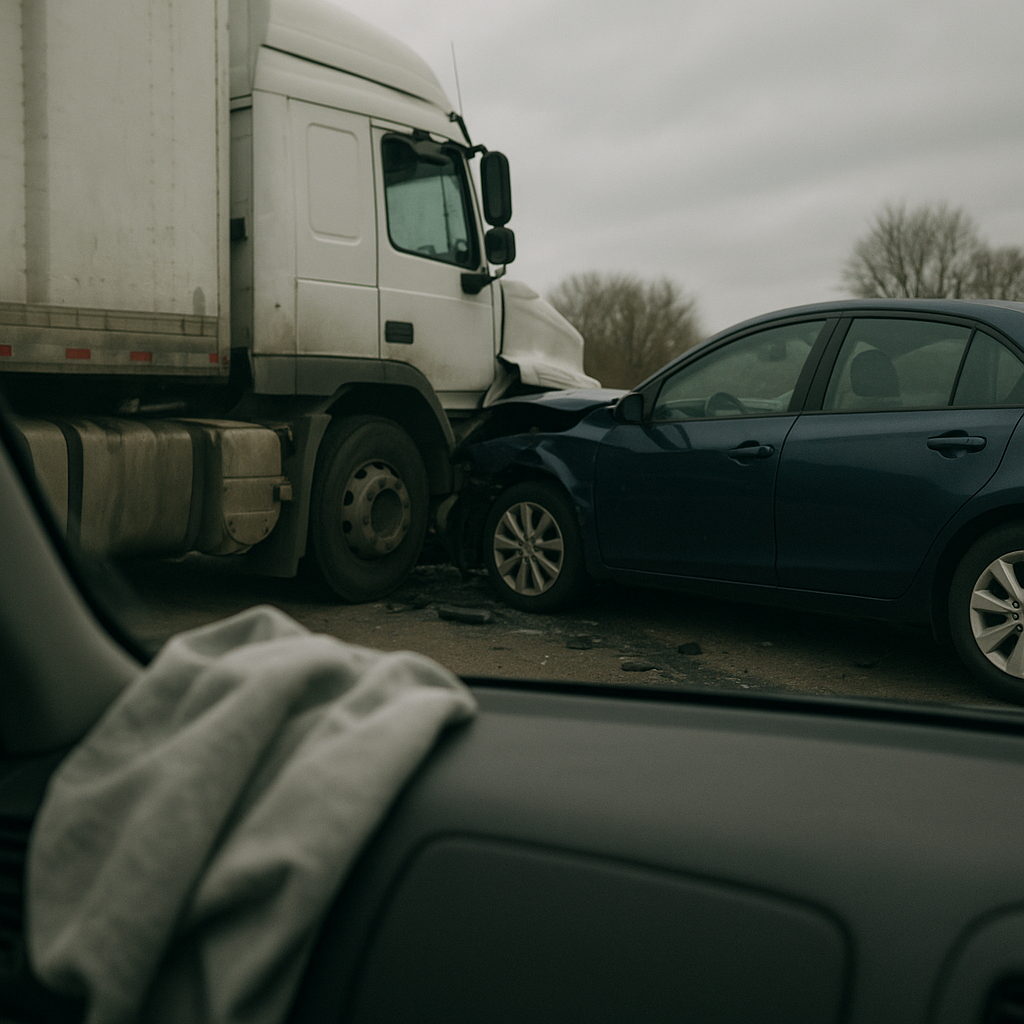
How Partners Experience Trauma After a Truck Crash
When someone becomes involved in a serious truck accident, the impact ripples far beyond the individual who was directly in the crash. Partners, spouses, and families often experience profound emotional and psychological changes as they adapt to their loved one’s injury and recovery. Understanding partner trauma after a truck crash is vital for recognizing the full scope of such incidents. By appreciating the changes that occur within households, the shifts in roles, communication hurdles, and ongoing emotional adjustments, families and their support systems can better navigate these challenging times with empathy and resilience.
Why Truck Accidents Affect Entire Households
Truck accidents are distinct from other types of road collisions due to the sheer size and weight of commercial vehicles. They often result in more significant injuries and psychological aftermath. While the primary focus is naturally on the recovery of the individual directly involved, the emotional shockwaves affect everyone close to them, especially intimate partners.
Partners routinely step into roles that require substantial emotional labor and support. They may become caregivers, financial decision-makers, advocates, and emotional anchors, all while managing their own personal reactions. The disruption to everyday life, the sudden upheaval of routines, and the unpredictability of recovery can be gut-wrenching. As partners balance hospital visits, paperwork, and perhaps even legal or insurance matters, they also grapple with their feelings of fear, helplessness, and worry for the future.
This experience is compounded by the trauma of witnessing their loved one’s suffering and the frustration of not being able to restore normalcy quickly. The home environment often becomes charged with uncertainty, concern, and sometimes, unspoken grief over the loss of the life that existed before the accident.
Common Family Role Changes
When a truck accident occurs, families often need to renegotiate daily roles and responsibilities. The injured person may be unable to fulfill their usual functions at home or at work, leading their partner to pick up additional duties.
Shifts in Care and Responsibility:
Tasks that were once shared, such as child care, housework, or financial management, may now fall entirely on the uninjured partner. This can be overwhelming, especially if the accident leads to long-term disability or ongoing medical needs. The transition from spouse or partner to caregiver is a profound change; it can bring new sources of stress, adjustment, and sometimes guilt or exhaustion.
Financial Pressures:
Serious injuries often mean missed work, medical expenses, and mounting bills. Partners may need to enter or increase their participation in the workforce, or manage household budgeting more strictly. Navigating these financial complexities can add another layer of strain to the family dynamic.
Parenting Roles:
If children are involved, partners often find themselves balancing their own emotional recovery with the need to maintain stability and reassurance for their kids. This may include explaining what has happened in age-appropriate ways, supporting their children’s emotional needs, and finding ways to maintain routines.
Communication Challenges Families Face
Communication often becomes more complicated after a truck crash. Partners may struggle to share their worries or express their distress for fear of further hurting or burdening each other. The injured partner might withhold their feelings to prevent adding to their spouse’s stress, while the caregiving partner may downplay their own emotional needs.
Avoiding Difficult Conversations:
Due to fear or a desire to stay strong for each other, some families may avoid certain topics—like worries about the future, concerns about intimacy, or frustrations about changing roles. Over time, this avoidance can lead to misunderstandings or feelings of isolation. Partners may begin to feel disconnected as they navigate separate emotional journeys.
Changes in Emotional Expression:
Trauma can alter how people express themselves. Some individuals may become more withdrawn or irritable, while others might become more dependent or need constant reassurance. These changes can challenge previously established communication patterns.
Misaligned Coping Mechanisms:
Each partner processes trauma differently. While one person may want to talk about the accident openly, the other might prefer solitude or distraction. Misalignment in these coping strategies can cause frustration and impede healing.
Seeking External Support:
Sometimes, talking to friends, relatives, or mental health professionals provides a safe outlet for these conversations. It can help partners process what they are each going through, normalizing emotional responses and teaching effective communication strategies.
Long-term Emotional Adjustment Patterns
The initial shock of a truck accident gradually gives way to longer-term patterns of adjustment. Healing from trauma, whether physical or emotional, is rarely linear. Partners can expect ongoing ups and downs as they adapt to a new normal.
Acceptance and Resilience:
Over time, some couples report that adversity strengthens their relationship, fostering a sense of teamwork and resilience. Acceptance often comes gradually, as both partners learn to accommodate limitations, celebrate small victories, and redefine future plans.
Grief and Loss:
A different—but also common—reaction is grief. Partners may mourn the loss of the life they envisioned, or feel sadness about their loved one’s changed abilities. This process is natural and can sometimes coexist with acceptance.
Post-Traumatic Stress Symptoms:
Partners who witness a crash, attend to their loved one in the aftermath, or live with high ongoing anxiety may experience symptoms such as trouble sleeping, intrusive thoughts, heightened vigilance, or difficulty concentrating. Seeking help and practicing self-care are essential during this stage.
Changes in Intimacy:
Relationships and intimacy may be affected for months or years after a truck crash. Physical injuries, emotional distance, and new roles can all create barriers that need to be navigated gently and with open dialogue.
Reintegration and Growth:
Healing is not solely about returning to “the way things were.” As couples and families adapt, many find renewed appreciation for each other, increased empathy, or a commitment to new priorities. These positive shifts often emerge with time, patience, and support.
Supporting Families in the Wake of a Truck Accident
Trauma resulting from a truck crash is not confined to the person directly injured. Partners and families undergo significant emotional and practical adjustments as they strive to support their loved one, manage household changes, and find their own path to healing.
By understanding the complex forms of partner trauma after a truck crash, friends, communities, and professionals can offer more sensitive support. Open communication, patience, and compassion are key to navigating the months and years following such life-altering events. Recognizing the strength and adaptability that families display in the face of adversity can help foster a sense of hope, even amid significant challenges.