
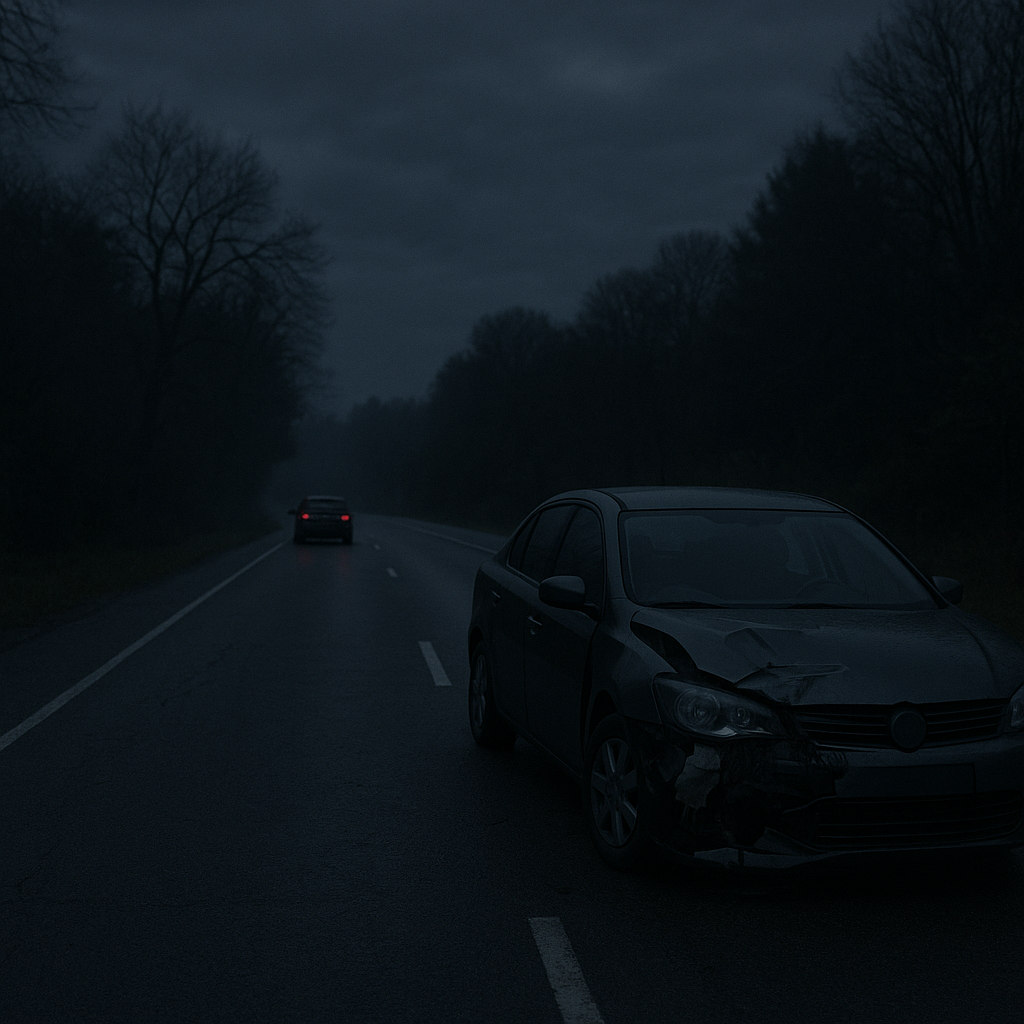
Why Nighttime Can Feel Emotionally Harder After Accidents
Accidents, whether they involve vehicles, falls, or other unexpected events, are often sudden, unsettling experiences that can leave lasting marks on both mind and body. While physical healing is often an obvious priority, many people discover that recovery isn’t limited to injuries that can be seen. Emotional responses, especially those that intensify at night, can take many by surprise. But why exactly does nighttime feel emotionally harder after trauma? Understanding the interplay between trauma, nighttime, and emotional responses can help explain this common experience and set expectations for those on the road to recovery.
Overview of Stress and Sleep Disruption After Trauma
After a traumatic event, the body and mind frequently shift into a heightened state of alertness—a biological response designed to protect us from danger, often called the “fight-or-flight” reaction. This response releases stress hormones, such as cortisol and adrenaline, which increase heart rate and readiness. While these effects can aid immediate survival, they also keep the mind hypervigilant, sometimes long after the event itself has passed.
Nighttime, in contrast to the busy distractions of the day, often brings quiet and darkness—conditions that can magnify worries and stress. When the mind is less occupied, anxious thoughts or memories related to the accident may become more prominent. This can disrupt natural sleep cycles and amplify feelings of unease or sadness as night falls.
Sleep is a time for the brain to process emotions and “file away” memories. After trauma, this process can be disrupted, leading to a cascade where poor sleep fuels heightened stress, which then makes sleeping even more difficult. This cycle is a key reason why nighttime can feel emotionally harder after trauma.
Common Sleep-Related Issues People Report
Those who have experienced accidents frequently notice a range of sleep-related difficulties. Some of the most commonly reported issues include:
1. Trouble Falling Asleep: The mind may continually replay aspects of the accident, making it tough to relax and drift into sleep.
2. Nightmares or Distressing Dreams: Vivid, emotionally charged dreams that revisit the accident or trigger similar feelings are frequent. These can startle a person awake, increasing anxiety about bedtime itself.
3. Sleep Fragmentation: Even if sleep comes, it may be constantly interrupted. People may wake up multiple times during the night, finding it hard to feel rested by morning.
4. Fear of the Dark or Being Alone: After trauma, common environments can suddenly feel unsafe. For some, nighttime darkness or solitude serves as a reminder of vulnerability, fueling feelings of isolation or unease.
5. Restless Sleep and Physical Tension: The body may hold onto physical tightness, twitching or tossing and turning as the mind wrestles with distressing thoughts.
All these challenges combine to make nights feel longer, filled with emotional weight, and often more difficult than daytime hours.
Stress Cycle Effects on Energy and Focus
The chronic sleep disruption and stress that follow trauma don’t just stay confined to the night. Instead, they set in motion a cycle that can affect a person’s entire day. Poor sleep leads to daytime fatigue, which lessens emotional resilience. This means that even minor setbacks can feel overwhelming. Meanwhile, low energy levels can make it harder to stay focused at school, work, or home, reducing a person’s ability to engage with supportive people or activities.
Stress hormones that remain elevated because of poor rest also impact cognitive function. Many people find it difficult to concentrate, learn new information, or even maintain short-term memory. This cognitive fog creates a sense of frustration, which in turn makes it more difficult to relax when night comes, perpetuating the cycle of stress and poor sleep.
As a result, individuals may notice changes in mood, irritability, and increased emotional sensitivity, especially as bedtime approaches. The cumulative effect is that nighttime continues to feel emotionally harder after trauma, not just because of what happens at night, but because of how the entire day is affected.
How Sleep Patterns Evolve During Recovery
Healing from trauma—both physically and emotionally—is a process rather than a single event. For most people, sleep patterns will change over time. In the weeks immediately following an accident, sleep may be especially disrupted; people may notice intense dreams, more frequent waking, or even a desire to sleep much more than usual.
Gradually, as stress hormones decrease and the mind starts to process the disturbing memories, sleep quality can improve. The frequency of nightmares often decreases, and falling asleep becomes easier. Some may experience brief setbacks if they encounter reminders of the accident or additional stress, but overall, the nighttime emotional difficulty tends to soften with time.
It’s also common for people to discover new routines or habits that help signal safety at night. Establishing comfortable bedtime rituals, or creating a sense of security before sleep, can become important parts of the recovery process.
Conclusion: A Natural—and Temporary—Part of Recovery
Feeling as though nighttime is emotionally harder after trauma is a common, understandable response that many people share. The combination of diminished distractions, a naturally reflective time of day, and the body’s altered stress responses all contribute to intensified emotions when day turns to night. While these effects can be distressing, it’s important to recognize them as a natural part of recovery—not a sign of weakness or failure.
As the healing process moves forward, sleep and emotions often stabilize. Nighttime will gradually return to being a period of rest and rejuvenation, rather than an emotional challenge. For those who find the burden especially heavy, reaching out to supportive friends, family, or mental health professionals can make all the difference—but above all, understanding that nighttime difficulties after trauma are both common and temporary can provide reassurance during the recovery journey.