
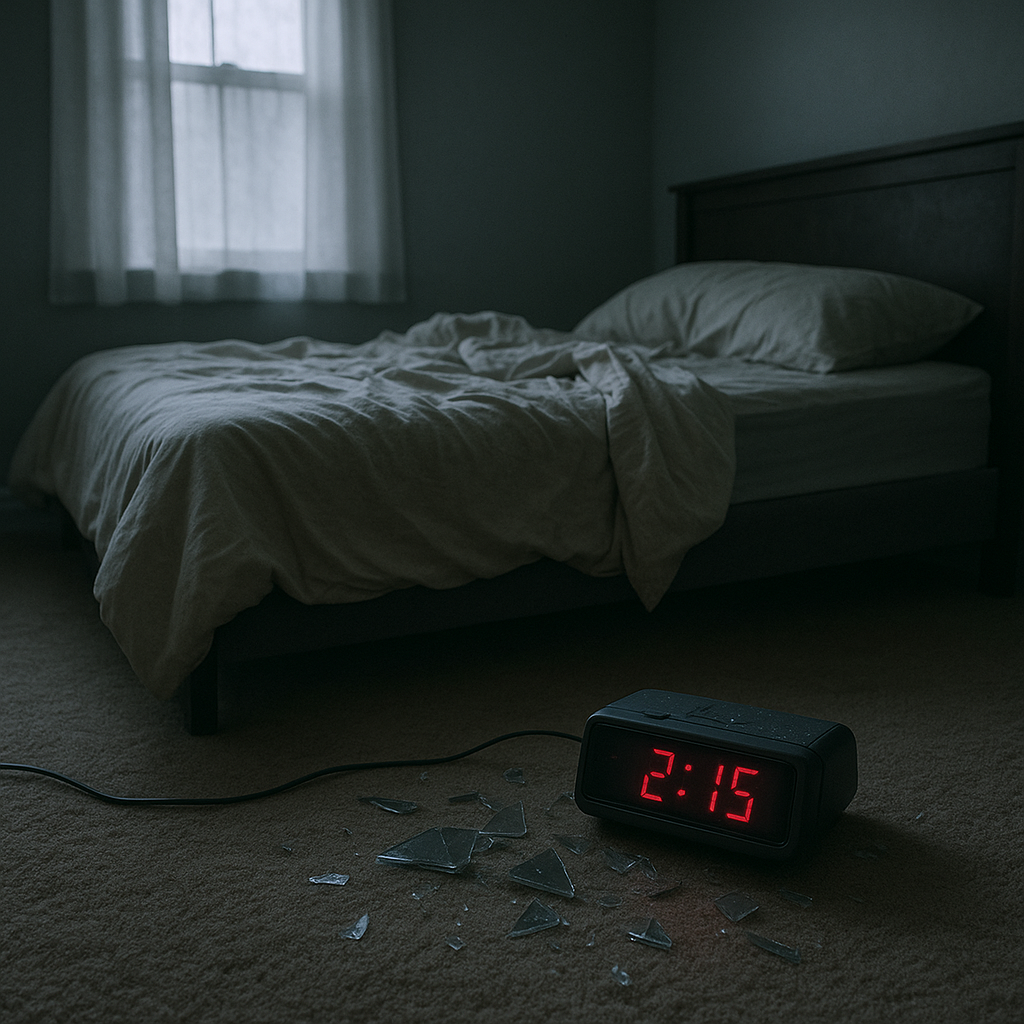
When Sleep Disruption Becomes a Long Term Problem
Sleep is one of the body’s fundamental needs, as essential as food and water. Yet, for many people, restorative sleep becomes elusive—especially after experiencing significant stress or trauma. When sleep disruption persists, it can develop into a chronic pattern that impacts every area of life. This article explores the connection between stress, trauma, and long term sleep disruption, why sleep disturbances can linger, and how people’s sleep patterns may evolve over the course of recovery.
Overview of Stress and Sleep Disruption After Trauma
Stressful or traumatic events can have profound effects on the mind and body, altering biological processes and influencing patterns of rest. In the aftermath of trauma—whether caused by an accident, loss, or other distressing life event—sleep is often one of the first things to be affected. The body’s natural response to stress involves activating the ‘fight or flight’ system, resulting in increased alertness and the release of stress hormones. This heightened state can linger long after the initiating event, making it difficult for the mind to settle and for the body to enter restful sleep.
Over time, acute stress reactions may subside, but for some individuals, sleep problems persist. These disruptions can become habitual, creating a cycle in which poor sleep compounds stress, making the original difficulties even more pronounced. Gradually, what began as an understandable reaction to trauma may turn into chronic, long term sleep disruption trauma sufferers find hard to shake.
Common Sleep-Related Issues People Report
People experiencing trauma-related sleep problems frequently describe a variety of challenges. These issues often go beyond simply having a hard time falling asleep. Common complaints include:
– Difficulty Falling Asleep: Racing thoughts, anxiety, or hypervigilance may make initial sleep onset elusive.
– Frequent Nighttime Awakenings: Many individuals wake multiple times during the night, sometimes due to nightmares or distressing memories.
– Non-Restorative Sleep: Even after a full night in bed, people may feel as if they haven’t rested at all.
– Early Morning Awakening: Waking very early and being unable to return to sleep is often reported.
– Nightmares or Night Terrors: Recurring nightmares, especially those related to the traumatic event, are common and disruptive.
– Daytime Fatigue: Ongoing sleep disruption produces daytime sleepiness, low energy, and mood changes.
These symptoms are interconnected and can become self-perpetuating. For example, worrying about not sleeping can itself increase stress and undermine the chances of restful sleep.
Stress Cycle Effects on Energy and Focus
The continuous loop between stress and sleep is particularly relevant for people dealing with long term sleep disruption trauma. Lack of proper rest doesn’t just make people tired—it alters neurological functioning, impairs memory, and diminishes the ability to focus on daily tasks.
When sleep loss persists:
– Cognitive Fog: Thought processes may become slower, and decision-making abilities can decline, affecting both work and personal life.
– Emotional Reactivity: Tiredness often leads to increased irritability, anxiety, or a sense of being overwhelmed.
– Reduced Resilience: Chronic sleep loss makes it harder to cope with stress, increasing feelings of helplessness.
– Physical Symptoms: Long term sleep disruption can contribute to headaches, muscle pain, and a higher susceptibility to illness.
The cycle is reinforced as each night’s poor rest leaves the mind and body less equipped to process emotions or recover from stress the following day.
How Sleep Patterns Evolve During Recovery
Trauma recovery can be a non-linear process, and so too can the journey back to healthy sleep. Many people notice that sleep disturbance becomes less severe as they start to heal, but the transition is rarely immediate or straightforward.
– Gradual Shifts: As acute stress decreases, the nervous system can begin to deactivate and allow deeper, more continuous sleep.
– Setbacks and Progress: Improved sleep may come in starts and stops. Periods of better rest may be followed by nights of disruption, especially around anniversaries or reminders of the trauma.
– Development of New Routines: Over time, individuals often develop new bedtime habits or rituals that promote relaxation, signaling the mind and body to wind down.
– Increased Self-Awareness: Many become more attuned to early signs of sleep disruption, learning to recognize triggers and implement calming strategies before bedtime.
It’s not unusual for lingering traces of sleep problems to remain, even after other trauma symptoms diminish. Patience and self-compassion are vital. For some, it may take months or years before sleep patterns stabilize, and some degree of vulnerability to future sleep disruption may persist.
Neutral Closing Paragraph
Persistent sleep disruption following trauma can be discouraging, especially when it evolves into a long term pattern. While it may take time for the body and mind to readjust, understanding these processes can help cultivate patience and realistic expectations. Recognizing the ways stress and sleep interact is an important step toward regaining a sense of balance and well-being on the path to recovery.