
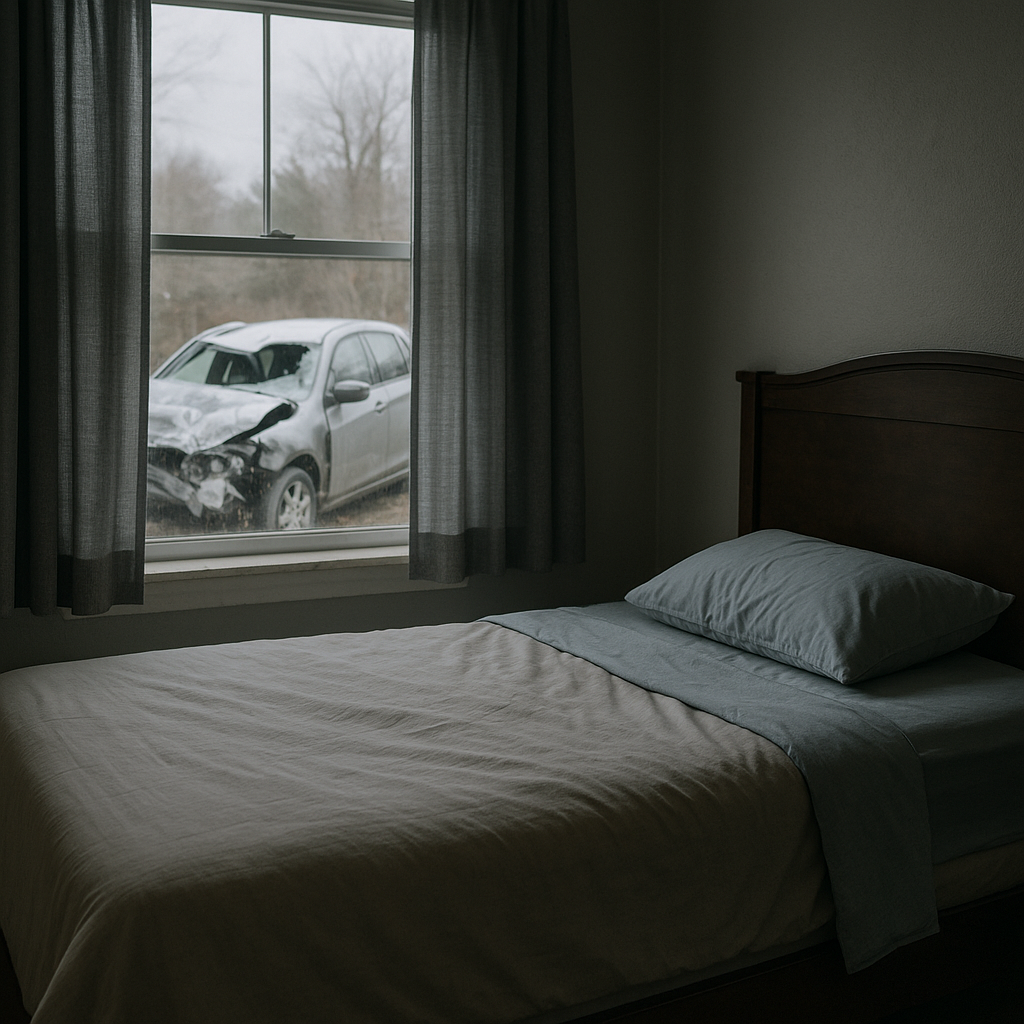
Understanding Sleep Recovery After Trauma
Sleep is vital for our physical and emotional well-being, helping us restore energy, process memories, and regulate emotions. However, experiencing trauma—whether from a single event or prolonged stress—can deeply disrupt sleep. Understanding sleep recovery after trauma is crucial for individuals on a journey toward healing.
Overview of Stress and Sleep Disruption After Trauma
Traumatic experiences, such as accidents, natural disasters, violence, or significant loss, profoundly impact both body and mind. The body’s stress response is designed for short-term survival, priming us to react quickly to danger. In the aftermath of trauma, however, this heightened state of alertness can persist long after the event.
When the mind remains vigilant, sleep is one of the first functions to be affected. Continuous stress can make it difficult to relax, fall asleep, or stay asleep. Over time, disrupted sleep not only hampers recovery from trauma but can also become a new source of stress itself, creating a challenging cycle.
The interplay between stress hormones and the brain’s arousal systems means that the quality and quantity of sleep often change after trauma. This disruption can affect how the body and mind process and recover from what has happened, making restorative sleep an essential component of trauma recovery.
Common Sleep-Related Issues People Report
While each person’s response to trauma is unique, several sleep-related issues are commonly reported during the aftermath:
– Difficulty falling asleep: The mind’s tendency to replay events or worry about safety can delay the process of winding down, making it hard to initiate sleep.
– Frequent awakenings: A state of hypervigilance, where the brain remains alert for possible danger, can lead to waking up multiple times during the night, often accompanied by a sense of fear or disorientation.
– Nightmares or distressing dreams: Vivid, intense dreams that replay traumatic events or evoke similar feelings can cause sudden awakenings and make returning to sleep difficult.
– Non-restorative sleep: Even when sleep duration is adequate, people might wake up feeling fatigued, as the depth and quality of sleep are often compromised.
– Avoidance of sleep: In some cases, fear of nightmares or loss of control during unconsciousness might lead individuals to put off bedtime, further exacerbating sleep deprivation.
These sleep disturbances can appear shortly after a traumatic event and, if not addressed, may persist for weeks or months.
Stress Cycle Effects on Energy and Focus
The cycle of stress and disrupted sleep after trauma frequently affects more than nighttime rest—it seeps into daily life, influencing energy levels and concentration.
Decreased energy is common, as poor sleep prevents the body from fully replenishing itself. This fatigue can slow physical recovery, reduce motivation, and limit participation in daily activities.
Impaired focus and memory are also frequent, since sleep is essential for cognitive processes like attention, learning, and problem-solving. Over time, fragmented sleep may make it harder to absorb information, complete tasks, or remember instructions, adding to the frustration of recovery.
Prolonged stress and sleep disturbance can also increase irritability and lower frustration tolerance, straining relationships and support networks. This, in turn, can create a feedback loop where stress worsens sleep, which then diminishes coping resources.
How Sleep Patterns Evolve During Recovery
The path to sleep recovery after trauma is rarely linear. Healing is a gradual process influenced by individual resilience, support systems, and coping strategies.
Initially, sleep may be highly fragmented or elusive. Nightmares, racing thoughts, and frequent awakenings are especially common in the first days or weeks following trauma. Some people may even develop an irregular sleep schedule, napping as exhaustion demands rather than maintaining typical sleep-wake cycles.
Over time, as the mind and body process the traumatic event, sleep patterns tend to shift. Gradual reduction in anxiety and hypervigilance allows for longer, deeper periods of rest. Dreams may become less vivid or distressing, and waking episodes can diminish. People often find that sleep stability reflects broader psychological recovery, marking milestones such as improved mood, increased daytime energy, and better focus.
Small setbacks are part of the healing journey. Stressful reminders, anniversaries, or new challenges can temporarily disrupt sleep, even months or years later. Recognizing these fluctuations as normal responses—instead of signs of failure—can reduce frustration and support long-term recovery.
Positive routines play a role in supporting sleep recovery after trauma. Consistency in bedtime and wake time, creating a calming evening environment, and engaging in gentle relaxation activities can help signal to the body that it’s safe to rest. While these habits can’t eliminate sleep disruptions entirely, they build a foundation for gradual improvement as healing progresses.
Recovery timelines vary. For some, sleep may return to a familiar pattern within weeks, while for others, adjustments may be necessary for much longer. As progress is made, people may notice a greater sense of safety and well-being reflected not only in their sleep but also in daily energy and outlook.
Neutral Closing Paragraph
Sleep recovery after trauma is an intricate process that involves both physical restoration and emotional healing. While challenges such as insomnia, nightmares, and daytime fatigue are commonly encountered after stressful events, many people experience improvement with time, support, and routines that promote a sense of safety. Understanding how trauma impacts sleep and recognizing the evolving nature of recovery can empower individuals to approach their rest with patience and self-compassion. Each person’s sleep journey after trauma is unique, and acknowledging the ongoing process can be an important step toward overall well-being.