
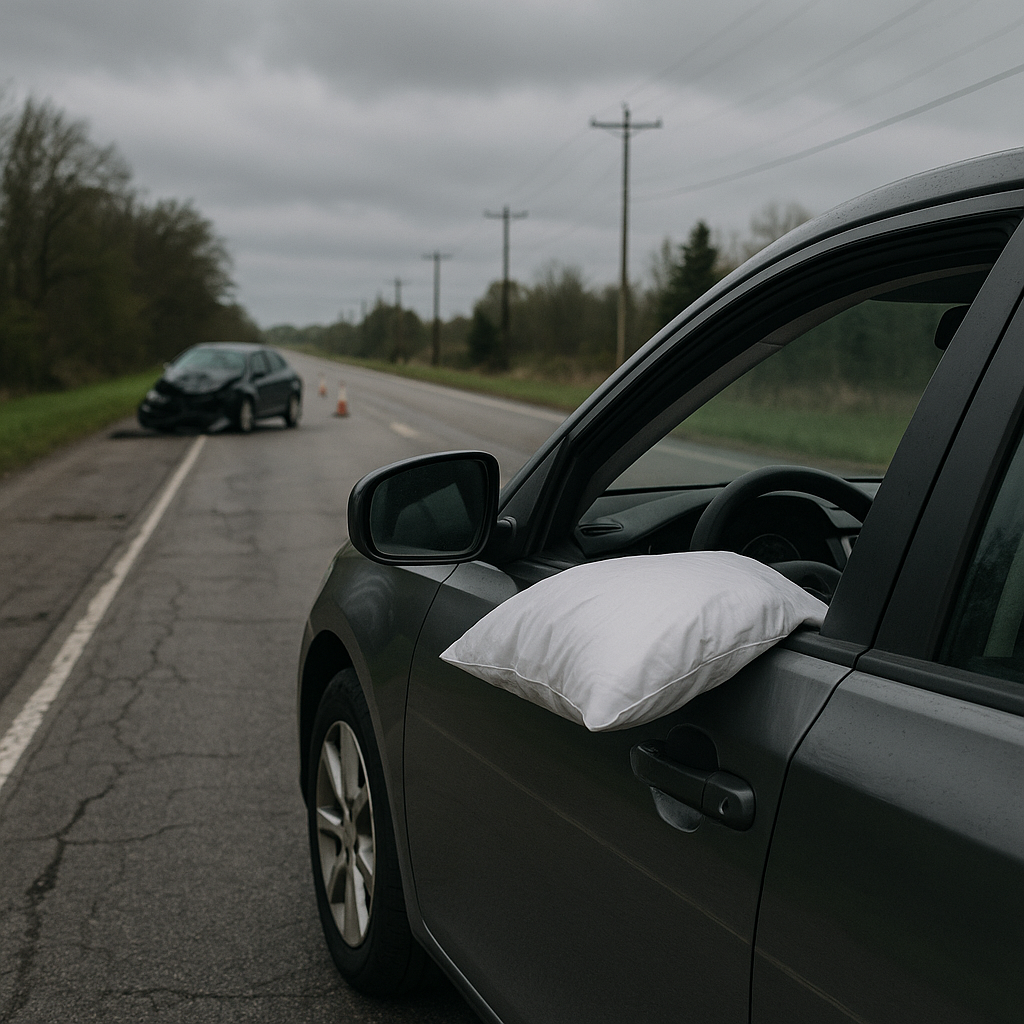
Stress About Driving Again and Sleep Problems
Overview of Stress and Sleep Disruption After Trauma
Many people who have experienced a traumatic event—such as a car accident—can find themselves feeling unusually anxious at the thought of getting behind the wheel again. This type of worry, often called post-traumatic stress, emerges when the mind links driving with danger or distress. For some, even the thought of sitting in a car brings a rush of nerves, sweaty palms, and rapid heartbeat. This emotional upheaval, commonly known as “stress about driving again,” can deeply influence daily routines, plans, and especially the quality of sleep.
Sleep is intricately tied to our sense of security and calm. When someone feels uneasy or on edge, the body’s alert system stays active for longer. For those struggling with stress about driving again, this heightened state of vigilance may not turn off at night—leading to a range of sleep-related issues. The mind replays memories and “what-if” scenarios, making restful sleep more difficult to achieve. Over time, this pattern of stress and sleep disruption can affect mood, energy, and the ability to concentrate, creating a challenging cycle to break.
Common Sleep-Related Issues People Report
It’s not unusual to hear about sleep problems from those who are stressed about driving again. These challenges often emerge soon after a traumatic driving experience, but they can crop up or persist much later as well. Here are some of the most commonly reported issues:
Trouble Falling Asleep
One of the primary sleep difficulties people mention is insomnia—specifically, having a hard time falling asleep. When the lights are off and distractions fade, the mind may replay stressful driving events or worry about future trips. This heightened mental activity can delay sleep as people struggle to relax.
Frequent Night Wakings
Even after falling asleep, it’s common for individuals to wake frequently throughout the night. Dreams or nightmares related to driving may cause sudden awakenings, and once awake, it may be difficult to fall back asleep due to lingering anxiety.
Nightmares and Vivid Dreams
Distressing dreams or nightmares can occur as the brain processes trauma. Dreams might directly mimic the traumatic event, or they can be more abstract but leave a sense of fear or embarrassment. Waking up after these dreams can cause lingering unease and disrupt the rest of the night.
Feeling Tired Upon Waking
Despite spending enough time in bed, many people find themselves still tired in the morning. This “unrefreshing sleep” can result from restless nights, frequent wakings, or the mind remaining on high alert even during sleep stages.
Anxiety About Sleep Itself
Sometimes, people become anxious about the act of going to bed, worrying they won’t sleep well or will have upsetting dreams. This “anticipatory anxiety” can make falling asleep even more difficult, setting up a frustrating nightly pattern.
Stress Cycle Effects on Energy and Focus
The connection between stress about driving again and sleep problems can create a self-reinforcing stress cycle. When an individual experiences poor sleep, it affects their mood, energy, and ability to cope with stress the next day. Here’s how this cycle can play out:
Lower Energy During the Day
A restless night often leaves people feeling drained the next day. Low energy can make everyday tasks—especially those requiring confidence, like driving—feel overwhelming. As tiredness increases, patience and tolerance for stress decrease.
Reduced Focus and Mental Sharpness
Poor sleep can cloud attention, making it harder to concentrate or make decisions. Tasks like following directions or reacting quickly to changing road conditions become more difficult. For those nervous about driving again, this drop in focus can further increase anxiety, as it becomes harder to trust one’s abilities behind the wheel.
Heightened Emotional Reactivity
Lack of sleep is known to amplify emotional responses. Minor frustrations can feel far more intense when a person is already running on little rest. In the context of driving anxiety, this can mean more intense fear, anger, or frustration—both on and off the road.
Avoidance Behaviors
Fatigue and difficulty concentrating can lead people to avoid driving altogether, further deepening stress related to both driving and their sleep patterns. Avoidance may provide short-term relief but can reinforce the sense of fear or doubt about driving again.
How Sleep Patterns Evolve During Recovery
Recovering from the stress of driving again, especially following trauma, is a gradual process that varies for everyone. Sleep problems related to driving stress typically do not last forever, but their duration and intensity can fluctuate as recovery unfolds.
Early Stages
Immediately following a traumatic driving event, sleep disruption is common and natural. The mind and body are processing both the physical and emotional impact of what happened. This period may include frequent nightmares, hypervigilance, and substantial changes in bedtime routines.
Adaptation and Gradual Improvement
With time, as routines are re-established and coping strategies develop, sleep patterns often begin to adjust. Some people find their nightmares become less frequent or intense. Falling and staying asleep gradually feels less daunting, although there may still be bad nights.
Triggers and Setbacks
Recovery is rarely a straight path. Events such as hearing about another accident, seeing reminders, or needing to drive again can trigger a temporary return of sleep problems. However, many people notice that these episodes are less intense or shorter than earlier difficulties.
Growing Resilience
As confidence in driving returns, sleep generally improves. Small victories—like successful, stress-free short drives—can help break the cycle of fear. Improved sleep, in turn, supports focus, mood, and overall well-being, reinforcing positive progress.
Neutral Closing Paragraph
Experiencing stress about driving again and the sleep problems that sometimes accompany it can feel isolating, but these reactions are common and understandable. By recognizing how stress and sleep challenges are interconnected, individuals can better understand their own experiences. Over time, with patience and support, it is possible for sleep to become more restful and confidence on the road to grow. Each step forward, no matter how small, is a sign of progress toward recovery and restored well-being.