
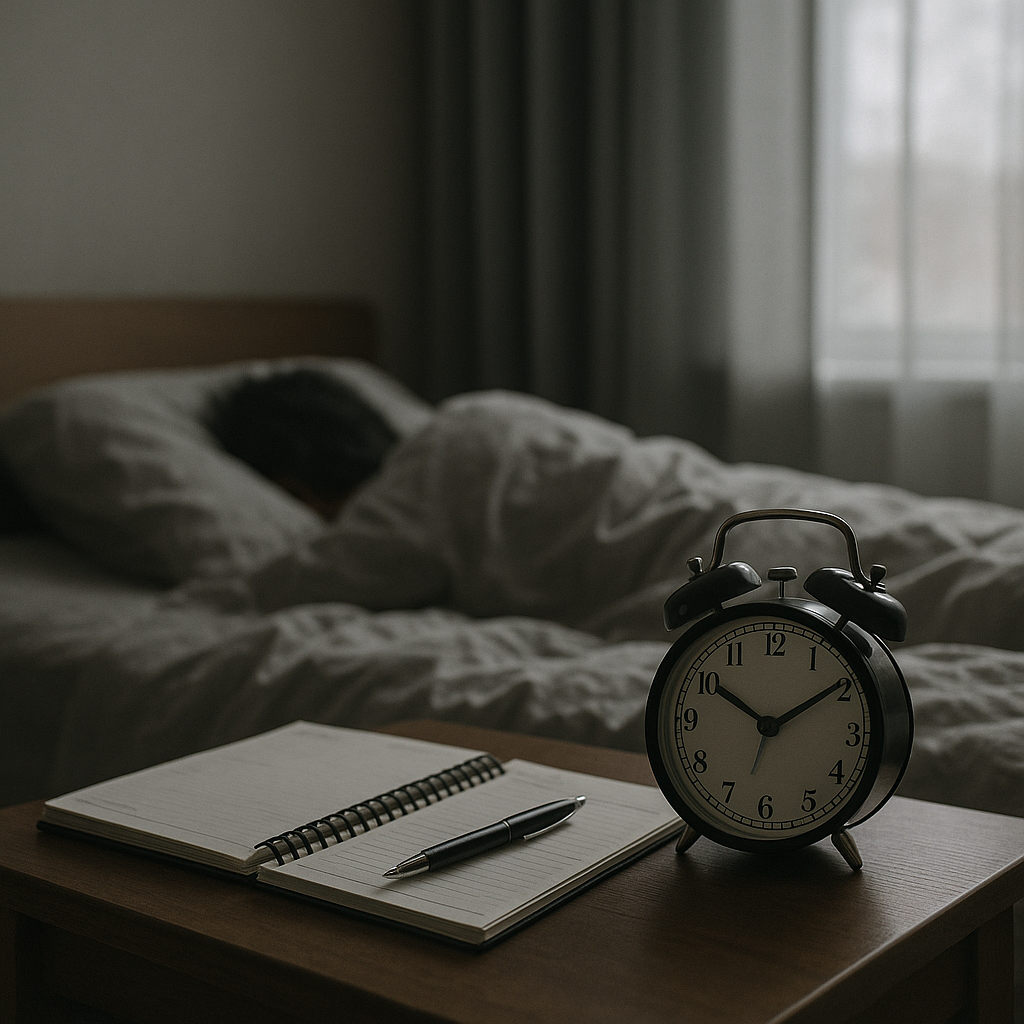
Sleep Disruption from Missed Work Stress
Overview of Stress and Sleep Disruption After Trauma
When faced with the consequences of missing work, many individuals experience notable stress, which can have lasting effects on their sleep. For some, the source of this stress may be an unexpected illness, a family emergency, or even changes in the workplace. No matter the cause, missing work often brings a sense of uncertainty, guilt, or worry about deadlines, finances, and workplace relationships.
The human body is naturally equipped to handle periods of stress, but when stressors persist—especially those tied to missed work—it can throw off the complex balance required for restorative sleep. Missed work stress sleep disruption is a common phenomenon, as stressful life events tend to activate the body’s “fight or flight” response, keeping a person alert long after the immediate stressor has passed. This heightened state of alertness can make it hard to relax at bedtime, leading to interrupted sleep or the inability to fall asleep at all.
Missing work, especially if the absence was unplanned, can create a trauma-like response. People might repeatedly think about what they missed, worry about catching up, or fear repercussions, which can further intensify both stress and sleep issues. As the days go by, these feelings—if unaddressed—can take a toll on nightly rest, turning what could have been short-term sleep disruption into a more persistent cycle.
Common Sleep-Related Issues People Report
People experiencing sleep disruption from missed work stress may notice a wide range of sleep-related problems, each with its own challenges:
1. Difficulty Falling Asleep (Onset Insomnia): The mind might race with anxious thoughts about unfinished projects or strained workplace relationships. This kind of rumination is a key reason why individuals find it hard to drift off, sometimes staying awake for hours after going to bed.
2. Frequent Night Wakings (Maintenance Insomnia): Stress can cause the body to remain in a hyper-aware state, leading to waking up several times a night. Each awakening can bring renewed thoughts of worry, making it hard to settle back into restful sleep.
3. Early Morning Awakening: Some individuals wake up earlier than intended—often with worries about the new day’s challenges. This shortens sleep duration and can leave a person feeling exhausted, regardless of when they went to bed.
4. Nightmares or Disturbing Dreams: Emotional stress is often processed during sleep, especially in the rapid eye movement (REM) stage. This can result in vivid or distressing dreams tied to work problems, which disrupt the perceived quality of rest.
5. Non-Restorative Sleep: Even if the total sleep time doesn’t seem affected, individuals may feel they didn’t sleep well or that sleep was “light,” waking up unrefreshed and fatigued.
Sleep issues stemming from missed work-related stress can vary in intensity and duration, but they share one thing in common: they tend to perpetuate the feeling of being overwhelmed, both physically and mentally.
Stress Cycle Effects on Energy and Focus
The effects of sleep disturbance due to missed work stress go far beyond bedtime. The next day, individuals may notice a significant dip in their energy levels and ability to focus. This is often the start of a challenging feedback loop.
– Lowered Energy: Poor sleep means the body isn’t able to complete its essential restorative functions. Fatigue becomes more noticeable, making it harder to feel motivated or enthusiastic about catching up on missed tasks.
– Impaired Concentration: Sleep is crucial for memory consolidation and mental clarity. When disrupted, it’s common to find oneself forgetful, distracted, or unable to make sound decisions in the workplace.
– Emotional Sensitivity: Lack of sleep can heighten the body’s stress response, amplifying emotions like frustration, anxiety, or irritability. This can create more stress, particularly if errors occur or workplace interactions become tense.
– Perpetuating the Cycle: As missed work and ongoing stress continue to impact rest, the cycle reinforces itself. Worry about performance leads to more sleep disruption, which in turn leads to greater daytime impairment. Over time, this pattern can feel difficult to break, increasing the likelihood of developing a persistent sleep issue.
Understanding how stress, sleep, and daily functioning are connected can be a powerful first step to breaking the cycle.
How Sleep Patterns Evolve During Recovery
Although missed work stress sleep disruption can feel overwhelming, sleep patterns often evolve as individuals begin to recover from the initial event. This recovery process can take time, and no two people experience it in exactly the same way.
Initially, sleep may be severely affected—several nights of poor rest, an increased frequency of nightmares, and heightened anxiety at bedtime are not uncommon. During this early stage, the body remains on high alert, and routines may be disrupted further by efforts to catch up at work or compensate for lost time.
However, as individuals gradually regain a sense of control over their workload or begin to rebuild lost confidence, the body’s stress response may start to diminish. As immediate worries about missed work fade and the mind processes the stressful experience, sleep often begins to improve. Many people find that establishing consistent sleep and wake times, engaging in relaxing pre-bedtime activities, or simply allowing time for the stressor to resolve can gradually restore more restful sleep.
It’s important to note that improvement is rarely immediate. Some nights will be better than others, and setbacks can occur if new stress arises or if reminders of missed work trigger renewed anxiety. Nonetheless, most people notice gradual progress as stress levels decrease, energy returns, and the mind becomes less focused on past absences. Over time, restorative sleep can become the norm once again.
Neutral Closing Paragraph
Stress related to missing work is a common challenge, and its impact on sleep can feel especially significant. Recognizing the link between missed work stress sleep disruption and day-to-day well-being is an important step toward recovery. As daily life begins to stabilize and the period of heightened stress passes, many people find that their sleep also naturally improves. While disruptions may be troubling in the moment, the body and mind are often more resilient than we realize, and establishing new routines can help restore the balance needed for healthy sleep.