
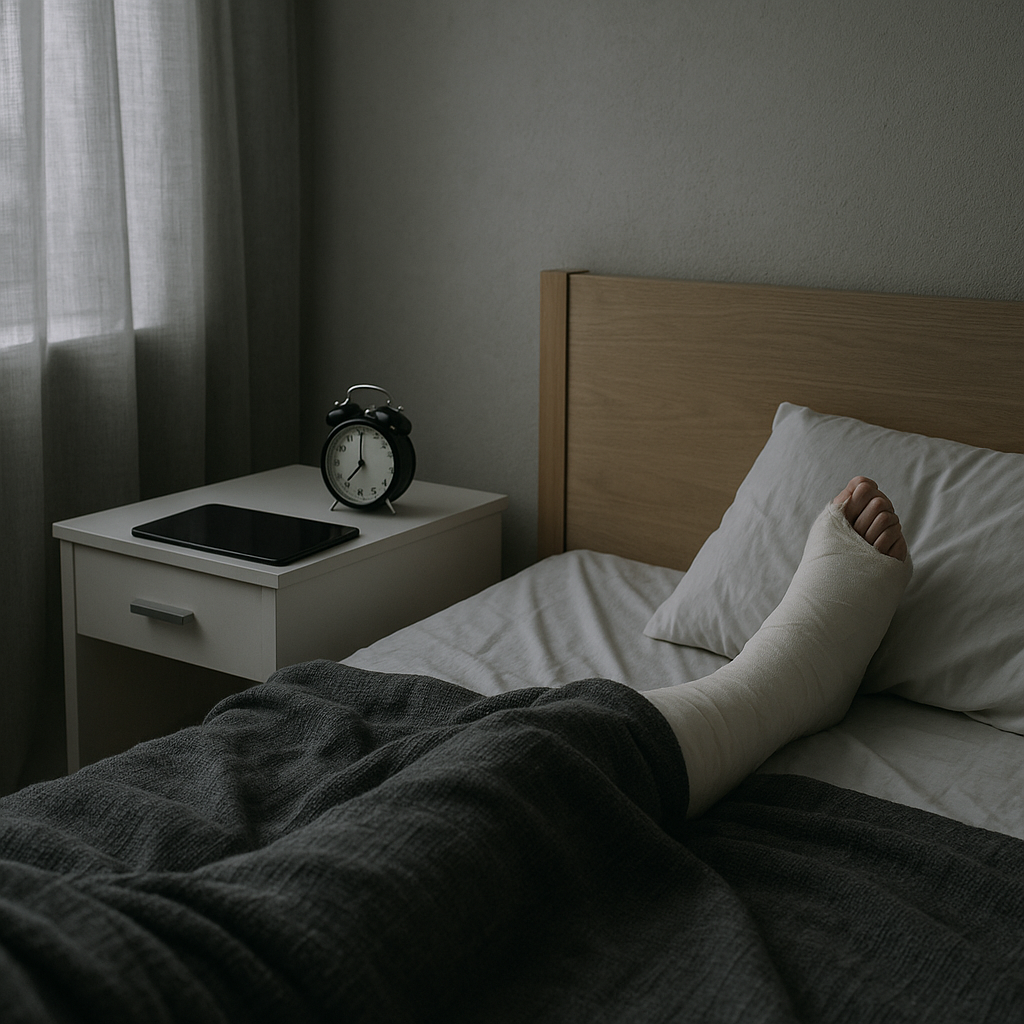
Screen Time and Sleep Problems After Accidents
Recovering from an accident is often an intense and challenging process, both physically and emotionally. Amidst medical visits and daily adjustments, many people discover an unexpected obstacle: sudden sleep problems and difficulty relaxing—especially after spending extended time on their digital devices. Research has shown that the interplay between screen time and sleep can be complicated, and it becomes even more so after experiencing trauma. This article explores why sleep is disrupted after accidents, how stress and trauma influence nighttime rest, the role of screens, and how sleep patterns may change throughout recovery.
Overview of Stress and Sleep Disruption After Trauma
Accidents—whether a car collision, fall, or another unexpected event—can leave lasting marks beyond physical injury. Trauma triggers a cascade of stress responses in the body. Most people become hyperaware of their surroundings, experience racing thoughts, or replay the moment of the incident. When bedtime arrives, this heightened alertness makes it harder to wind down.
Our modern lives add yet another layer: the prevalence of screens. Phones, tablets, and TVs offer distraction and connection, but they also emit blue light and provide a constant stream of information. After an accident, using screens—sometimes to distract from pain or anxious thoughts—may inadvertently interfere with the body’s natural sleep processes.
When screen time increases, especially before bed, the light can suppress the release of melatonin, the hormone that helps regulate sleep-wake cycles. For those already struggling to find nighttime calm, this can further deepen sleep problems. The digital world can provide comfort but may also keep the mind active at a time when rest is needed most.
Common Sleep-Related Issues People Report
Sleep disturbances following accidents and trauma are widespread. Often reported issues include:
Difficulty falling asleep: Anxiety and repetitive thoughts about the incident can make it hard for the mind to shut down, further intensified by late-night scrolling on screens.
Frequent awakenings: Many people wake multiple times during the night, sometimes startled by nightmares or discomfort. This fragmented sleep reduces the restorative quality of rest.
Early-morning waking: Some people find themselves waking very early, unable to fall back asleep. This can be due to a combination of heightened stress and altered circadian rhythms, which may be further thrown off by irregular screen usage.
Nightmares or vivid dreams: Traumatic events have a way of intruding into dreams, leading to memories of the accident recurring during sleep. Such disturbances can prompt individuals to use screens for comfort or distraction late at night, unintentionally continuing the cycle of poor sleep.
Physical discomfort: Pain and injury naturally disrupt sleep, and looking to screens for distraction is a common but often unhelpful coping strategy at night.
The relationship between “screen time sleep problems trauma” is complex, as digital devices can serve as both a tool for acute distraction and a contributor to ongoing sleep issues.
Stress Cycle Effects on Energy and Focus
After an accident, the body’s stress response—often called the “fight or flight” mode—might persist for days or even weeks. This prolonged state can exhaust emotional and cognitive reserves.
Sleep disruption is a key part of this cycle. Without sufficient restorative sleep, energy levels drop, mental focus wanes, and emotional resilience decreases. People may feel groggy during the day, find it hard to concentrate, and struggle to manage the stress of recovery.
Excessive screen time can further tax this fragile system. Continuous exposure to blue light before bed keeps the mind in a state of alertness. Social media feeds, news, and chat notifications can heighten anxiety or stimulate the mind at a time when relaxation is essential. This deepens the stress cycle, sapping the energy needed for both physical healing and everyday functioning.
The interplay between trauma, sleep disruption, and screen habits can create a feedback loop: Stress leads to poor sleep, poor sleep reduces coping ability, and increased screen time to cope further undermines sleep.
How Sleep Patterns Evolve During Recovery
Fortunately, sleep disturbances after trauma are often temporary. As physical injuries heal and the emotional shock begins to settle, most people notice gradual improvements in sleep quality and duration. However, the path to restorative sleep is rarely straightforward.
In the initial period after an accident, sleep is typically at its worst. Heightened screen use is common, as individuals seek distraction from both pain and anxious thoughts. Short, light, or fragmented sleep is frequent.
As days and weeks go by, gradual routines may emerge again:
– Screen time awareness: Some individuals start to notice patterns, realizing that excessive night-time screen use worsens their sleep. Self-imposed limits—such as putting devices away an hour before bed—may arise naturally as people tune in to their needs.
– Reemergence of natural rhythms: With a slow reduction in acute stress, circadian rhythms begin to normalize. Regular sleep and wake times start to return, and nighttime awakenings decrease.
– Adaptive coping: People often discover alternative strategies to relax before bed—reading physical books, gentle stretching, or listening to calming music—instead of turning to screens.
While sleep may not immediately snap back to what it was before the accident, steady improvement is common. Notably, ongoing issues with screen time and sleep may signal the need for tailored support and self-reflection on nightly habits.
Neutral Closing Paragraph
Recovery from an accident requires patience and gentle self-care, especially regarding sleep. Understanding how trauma, screen time, and disrupted rest are linked can help individuals make small changes that support healing. Though technology provides valuable connections and comfort, finding a healthy balance is key in the journey back to restful nights. Each person’s recovery is unique, and with time, most find their natural rest gradually restored.