
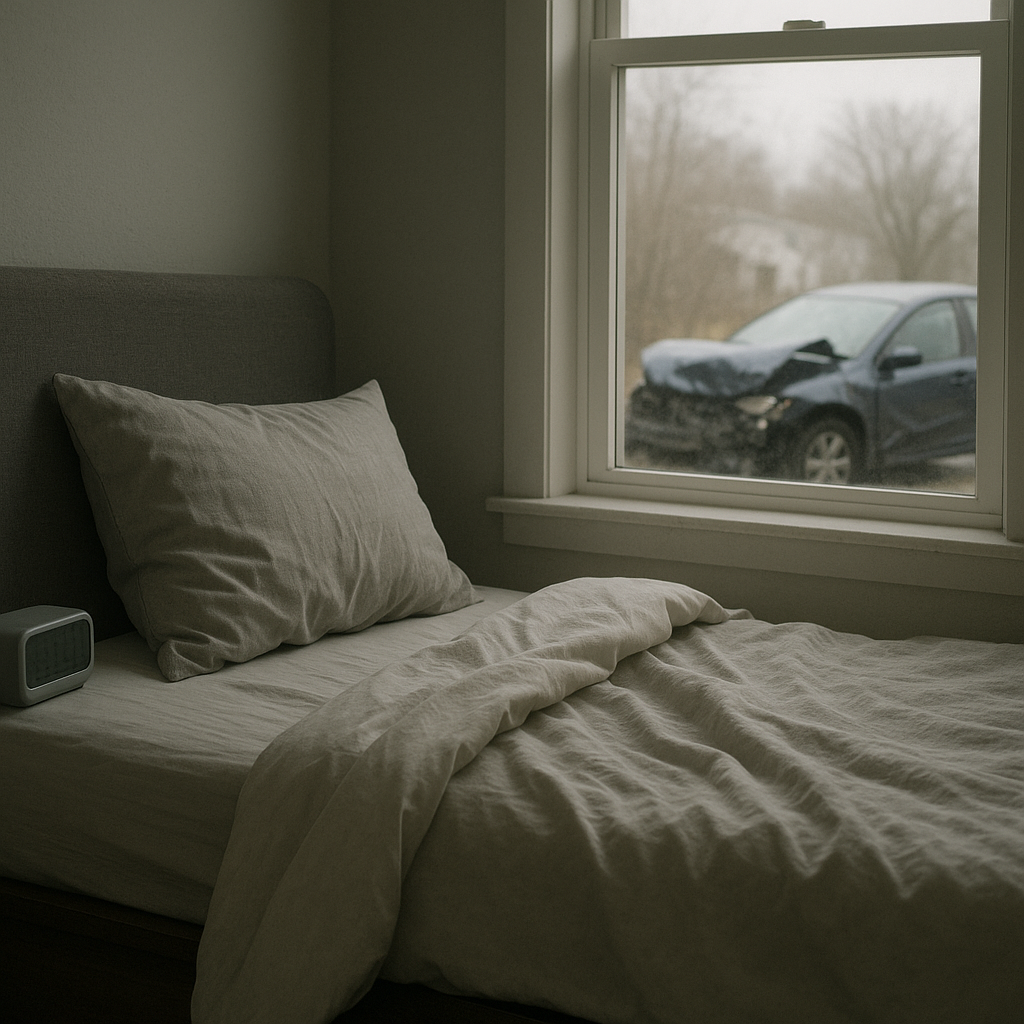
Why Small Noises Wake You After Trauma
Overview of Stress and Sleep Disruption After Trauma
When you’ve experienced something emotionally or physically traumatic, it’s not only your daytime thoughts and feelings that are affected—your nights often change as well. Many people report, sometimes with surprise or frustration, that even the faintest sounds—a creaking floor, rustling sheet, or the soft beep of a phone—can wake them up long after a traumatic event has passed. This phenomenon, where small noises wake you after trauma, is more common than you might think. But why do these seemingly insignificant sounds jolt you from sleep so easily?
Trauma puts your mind and body on high alert. Whether it’s a one-time incident or something ongoing, trauma disrupts your sense of safety. This disrupts sleep, as your natural rhythms and ability to rest become linked with a heightened sense of vigilance. Sleep can transform from a peaceful retreat into yet another battleground of anxiety and alertness.
The stress that follows trauma doesn’t just linger in your thoughts. It seeps into your body, manifesting in small but impactful ways, especially during the night. Understanding how these dynamics work can help you feel less alone and more equipped to manage the changes you notice after trauma.
Common Sleep-Related Issues People Report
In the period following trauma, sleep disturbances are among the most commonly reported challenges. For many, the experience goes beyond simple difficulty falling asleep. People might notice:
– Frequent Awakenings: You might wake up multiple times over the course of the night, often with no clear external reason.
– Hypervigilance to Sound: Sounds that previously wouldn’t have disturbed you—a distant car, a soft rain, or a gentle knock—can suddenly break through your sleep barrier.
– Vivid or Disturbing Dreams: Traumatic memories can resurface in dreams, causing abrupt awakenings or persistent nightmares.
– Difficulty Returning to Sleep: After being awoken by even a minor noise, you may find it particularly challenging to settle down again.
– Restless Sleep: Even when you are asleep, it might feel shallow, as though you are still partly “on guard.”
These sleep issues are all connected to the ways in which trauma wires your brain to be more alert to possible threats, even those that, in reality, are harmless. In this state, small noises wake you after trauma because your brain, still activating an alert response, is primed to notice potential danger.
Stress Cycle Effects on Energy and Focus
Your sleep and waking life create a cycle that’s heavily affected by trauma-induced stress. When your nights are interrupted and your sleep is unrestful, your days can become more challenging in several ways:
– Decreased Energy: Fragmented sleep—even if you are in bed for many hours—means less true rest. This often results in lingering fatigue.
– Problems with Focus: Lack of restorative sleep makes concentrating on daily tasks more demanding, leading to forgetfulness or distraction.
– Emotional Volatility: Irritability, mood swings, or emotional flatness can become more common, further intensifying the cycle of stress.
– Increased Reactivity: Your body remains in a “fight or flight” state. This can make you more jumpy or startle-prone, both day and night.
When you’re trapped in this cycle, even a quiet sound may be interpreted by your nervous system as a signal that you need to be awake and alert. This perpetual alertness can feel draining, leading to persistent physical and mental exhaustion.
How Sleep Patterns Evolve During Recovery
While the immediate response to trauma is often disrupted sleep and an exaggerated response to even small noises, this heightened sensitivity does not have to last forever. Over time, as the mind and body begin to process the trauma, sleep patterns can gradually shift again.
Early Stages: In the first days or weeks after trauma, your brain prioritizes immediate safety. It’s normal to sleep lightly or wake frequently. The mind can view sleep as a potentially risky activity, preferring to keep awareness levels high to detect danger.
Gradual Adjustment: As time passes and your environment starts to feel safer, the nervous system’s vigilance can slowly lessen. For some, this happens naturally; for others, it may require more intentional self-care. If your brain learns that those small noises are not threats, it will gradually “stand down,” allowing deeper stages of sleep to return.
Restoration and Resilience: Eventually, with enough time and supportive practices, many people notice fewer nighttime awakenings and find that they’re more able to sleep through background noises. The nervous system trains itself to better distinguish between safe, everyday sounds and those that need attention. In this way, sleep patterns can evolve beyond the era of hypervigilance, and restful sleep becomes more accessible.
Neutral Closing Paragraph
The experience of being woken by small noises after trauma is, in many ways, an adaptive response—a reflection of your brain and body’s effort to keep you safe. Though it can be frustrating and disruptive, it is also a temporary and changeable state. As time moves on and you take steps to create a sense of safety in your environment, your sleep is likely to slowly recover. Recognizing the connection between stress, trauma, and sleep can offer some reassurance: such changes are normal, and with patience, your nights can gradually become restful once again.