
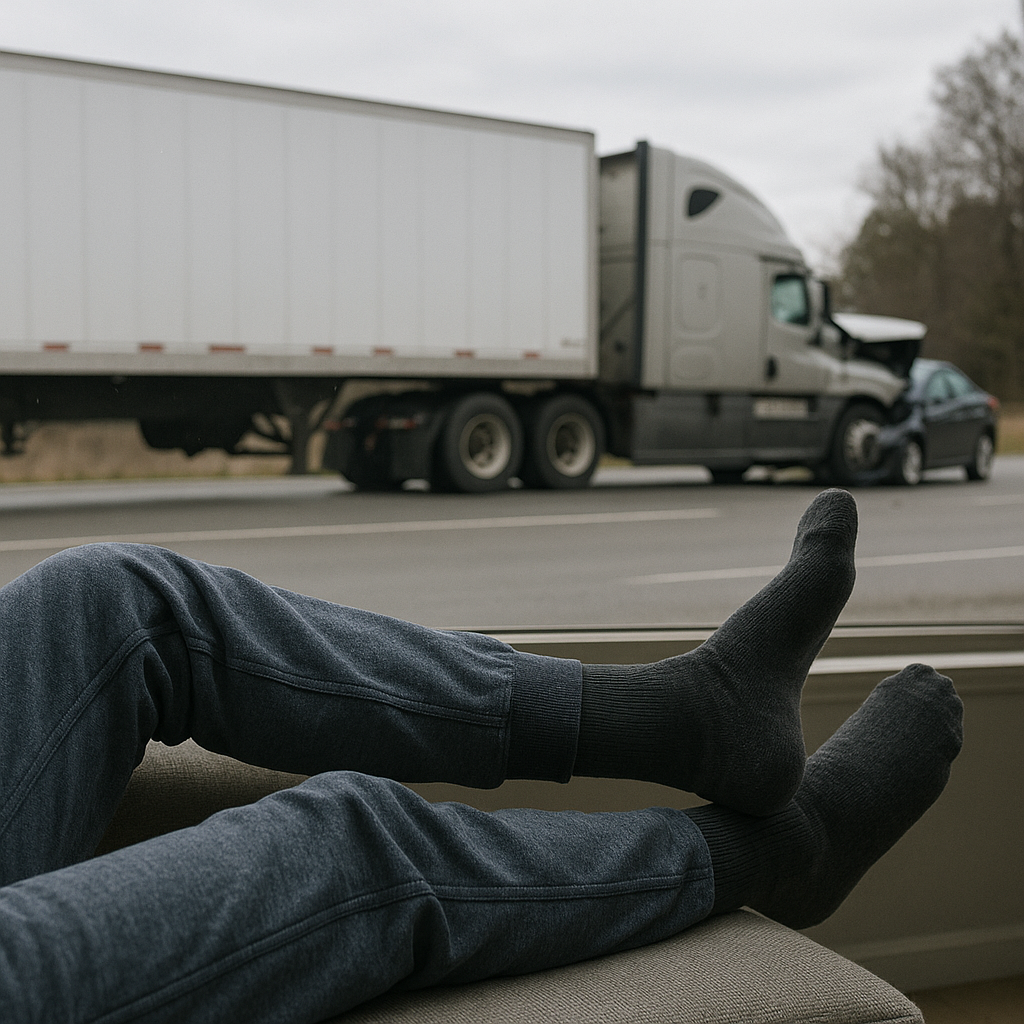
Restless Legs After a Semi Truck Accident: Understanding Sleep Disruption and Recovery
Experiencing a semi truck accident can be deeply traumatic, both physically and emotionally. One lesser-discussed outcome among survivors is the onset of restless legs and significant disruption to normal sleep routines. Struggling with “restless legs after a semi truck accident” can add an additional layer of discomfort, impacting the ability to rest, concentrate, and heal. This article explores how post-accident stress can affect sleep, the common challenges people face, and how these sleep patterns might evolve throughout the recovery process.
Overview of Stress and Sleep Disruption After Trauma
Following a semi truck accident, individuals often encounter a wave of intense emotions and physiological changes as the body responds to trauma. These responses usually include stress, anxiety, and heightened alertness. This state, commonly referred to as the “fight or flight” response, is the body’s natural way to protect itself during threats. However, when the immediate danger has passed, the residual effects of this response can linger far longer than expected.
One such residual effect is the disruption of sleep. Traumatic events, such as a semi truck accident, frequently lead to the body’s heightened stress hormones—like cortisol—remaining elevated. A common physiological outcome includes muscular tension or a persistent urge to move the legs, sometimes experienced as “restless legs.” This can cause difficulty in falling asleep, staying asleep, or achieving restful sleep.
Common Sleep-Related Issues People Report
People recovering from a semi truck accident may notice a variety of challenges when trying to sleep well. Some of these issues include:
– Restless Leg Sensations: Many describe a feeling of tingling, pulling, or an uncontrollable urge to move their legs, especially when trying to relax, lie down, or sleep. This sensation might develop immediately after the accident or appear days or weeks later as stress responses settle in.
– Insomnia: Anxiety about the accident, persistent worries, or mental replaying of the event can make falling asleep or staying asleep a nightly struggle.
– Frequent Awakenings: It’s not uncommon to wake up multiple times during the night, particularly if the restless legs sensations grow stronger in the evenings or at night.
– Nightmares: Disturbing dreams related to the accident may regularly interrupt rest, leaving individuals feeling exhausted despite hours in bed.
– Daytime Sleepiness: Persistent fatigue or grogginess during the day is often reported, sometimes as a direct result of sleeplessness or fragmented sleep.
– Difficulty Relaxing: Even outside of sleep, a general sense of restlessness can follow, making it hard to unwind or feel comfortable during quiet moments.
These issues are not just inconvenient—they can also slow the overall recovery process, affecting emotional resilience and the body’s physical healing.
Stress Cycle Effects on Energy and Focus
The impact of sleep disruption due to restless legs after a semi truck accident extends beyond nighttime. When sleep is compromised, the body misses out on critical restorative processes. This sets in motion a cycle: poor sleep may increase daytime stress and anxiety, while heightened stress can, in turn, make symptoms like restless legs worse.
A few common effects seen in this stress-sleep cycle include:
– Reduced Concentration: Sleep deprivation can make it challenging to maintain focus, process information efficiently, or remember details. This is especially concerning for those who need to manage appointments, follow care instructions, or return to work.
– Lower Energy Levels: Fatigue can leave survivors feeling drained, making even simple tasks seem overwhelming. Recovery and rehabilitation may feel more demanding without adequate rest.
– Mood Swings: Interrupted sleep and persistent discomfort can make feelings of irritability, sadness, or anxiety much more intense.
– Physical Discomfort: Incomplete rest can also increase the perceived intensity of existing pain or discomfort, including the sensations associated with restless legs.
This cycle can be self-reinforcing, with each night of disrupted sleep feeding into more daytime unease and vice versa.
How Sleep Patterns Evolve During Recovery
Restless legs and sleep disturbances are not permanent for most people—they tend to change over time as the recovery process unfolds. The initial days and weeks after a semi truck accident might be marked by heightened discomfort and regular sleep interruptions. Gradually, as the nervous system moves out of a hyper-alert state, the symptoms often become milder or less frequent.
For some, sleep may start to normalize after routines are re-established and some sense of emotional safety is regained. Adjusting daily schedules, creating calming bedtime habits, or participating in activities that reduce stress can all contribute to improvements in sleep. Support from friends and family, engaging in relaxing activities, and finding comforting routines often play a big role in this phase.
In some cases, restless legs and disrupted sleep may persist longer, particularly when the accident was especially traumatic or when other stressors remain unresolved. Over time, however, many people notice their sleep returning to a pattern closer to what it was before the accident, with restless leg sensations becoming less bothersome.
Neutral Closing Paragraph
Addressing restless legs after a semi truck accident highlights the complicated interplay between body and mind following trauma. Sleep disruptions and nighttime restlessness are common reactions, underscoring the importance of recognizing and understanding these changes as part of the healing journey. By becoming aware of patterns and making small adjustments to encourage rest and relaxation, individuals often find gradual improvement over time. While everyone’s recovery is unique, pathways toward more restful sleep and reduced restlessness are possible with patience and support.