
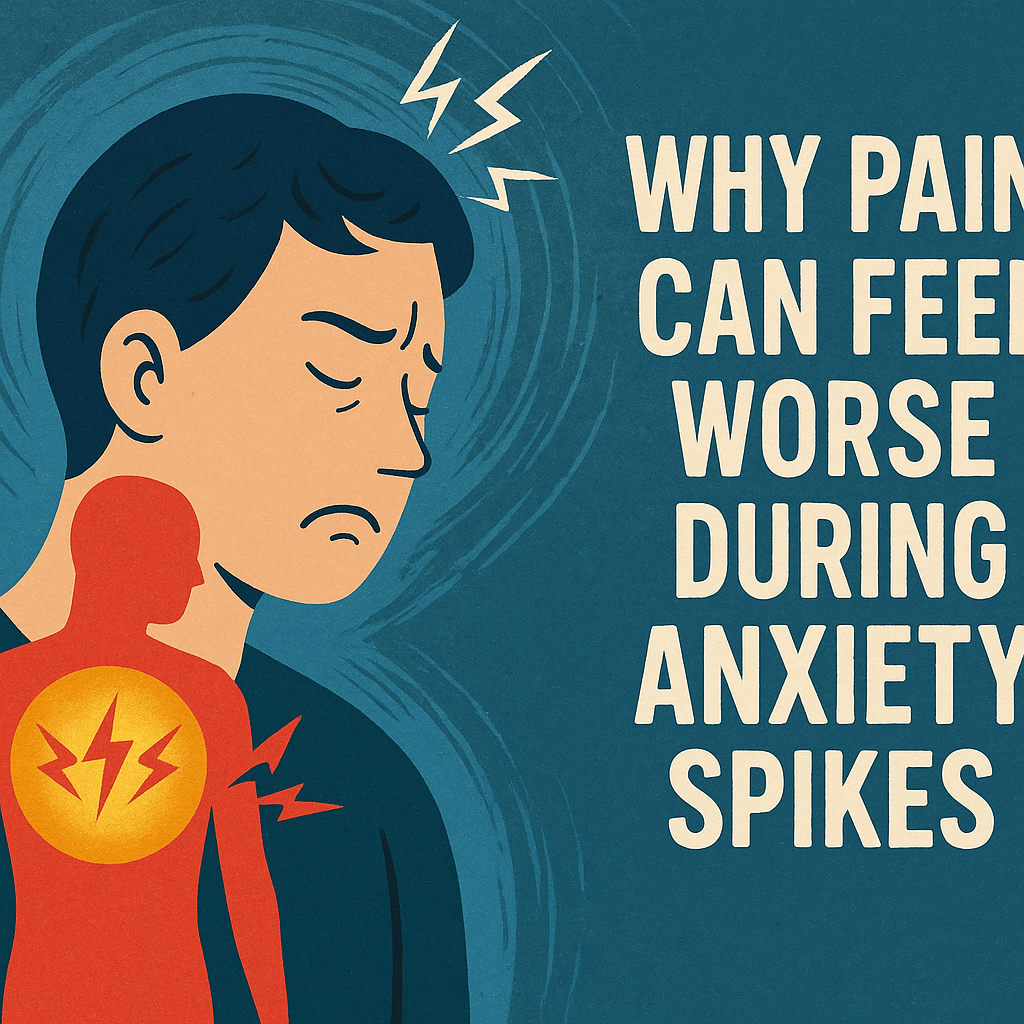
Why Pain Can Feel Worse During Anxiety Spikes
If you’ve recently experienced a stressful event such as a truck accident, you may notice that your pain feels worse at certain times—especially when you’re anxious. This phenomenon is more common than many realize and can feel particularly overwhelming if you’re not expecting it. Understanding why pain can feel worse during anxiety spikes offers insight into the connection between our physical sensations and emotional states.
Why Symptoms Can Appear After Truck Accidents
In the aftermath of a truck accident, it’s normal to experience a range of physical and emotional symptoms. Even if you initially felt unhurt, your body and mind may need time to process what happened. Sometimes, symptoms like pain, stiffness, or discomfort can appear hours or even days after the accident.
Several factors can explain this delayed onset:
– Adrenaline and Shock: Immediately after an accident, adrenaline provides a temporary “numbing” effect and diverts attention from pain. As adrenaline levels drop, discomfort and injury symptoms may become noticeable.
– Stress Response: The trauma of an accident activates the body’s stress response, heightening alertness and masking some symptoms while amplifying others.
– Muscle Tension: The body often reacts to shocks with increased muscle tension, which may not be immediately painful but can result in soreness or aches later.
– Delayed Awareness: Sometimes, the brain prioritizes immediate survival or crisis management, postponing the registration of less urgent sensations like minor aches.
These mechanisms form part of your body’s natural defense and adaptation systems, but they can complicate the recognition and interpretation of symptoms.
Common Symptom Patterns (No Medical Instructions)
When it comes to pain after a stressful event, everyone is different, but certain patterns are frequently noticed:
– Intermittent Pain: Pain may come and go, varying in intensity throughout the day. This fluctuation can be confusing, especially when trying to identify triggers.
– Muscle Soreness and Stiffness: After a stress-related event, muscles commonly become tight, leading to aches in the neck, shoulders, back, or other areas.
– Headaches: Tension headaches are common during periods of heightened stress or anxiety.
– Amplified Awareness: People often become more conscious of bodily sensations after accidents, noticing pains or discomforts that previously went unnoticed.
It’s also common for pain to seem worse during moments of heightened anxiety, creating a cycle where anxiety and pain reinforce each other.
Why Symptoms Can Change Over Time
Pain and other symptoms can shift and evolve in the days and weeks following an accident. Several reasons contribute to these changes:
– Healing Process: As tissues repair, sensations may morph from sharp pain to dull aches or vice versa.
– Activity Level: Changes in physical activity and posture can highlight or relieve certain discomforts.
– Mental State: Your emotional response—including anxiety spikes—can intensify your perception of pain. The body is highly interconnected, and mental stress can heighten physical sensitivity.
– Hypervigilance: After a stressful event, some people scan their bodies for signs of injury more closely, potentially noticing new or shifting symptoms.
This variability can be unsettling, especially when pain seems to worsen unexpectedly—often coinciding with periods of anxiety.
When People Typically Start Monitoring Symptoms
Most people begin to closely monitor their symptoms shortly after they realize that discomfort isn’t subsiding or when new sensations appear. This timing can vary:
– Immediately after an accident: Some become highly aware of every ache right away, particularly if they’re already feeling anxious.
– After a delay: Others might only notice pain or tension once they’ve calmed down and started to process what happened.
– When anxiety spikes: Heightened emotional states can make even mild discomfort feel more severe, prompting people to pay more attention.
Often, it’s during these anxiety spikes that formerly “background” pain becomes the center of focus. The body’s fight-or-flight response—activated by anxiety—can heighten perception, making pain feel sharper or more intense. As anxiety levels subside, pain might also return to its prior, less-noticeable state.
Neutral Closing Paragraph
Pain and anxiety are deeply intertwined, especially following traumatic events like truck accidents. Increased awareness and heightened response during anxiety spikes can make pain feel more severe, even as the body continues its natural healing process. By understanding these patterns and their connections, individuals can become more attuned to their experiences, helping to navigate the complex interplay between mind and body in the aftermath of stress.