
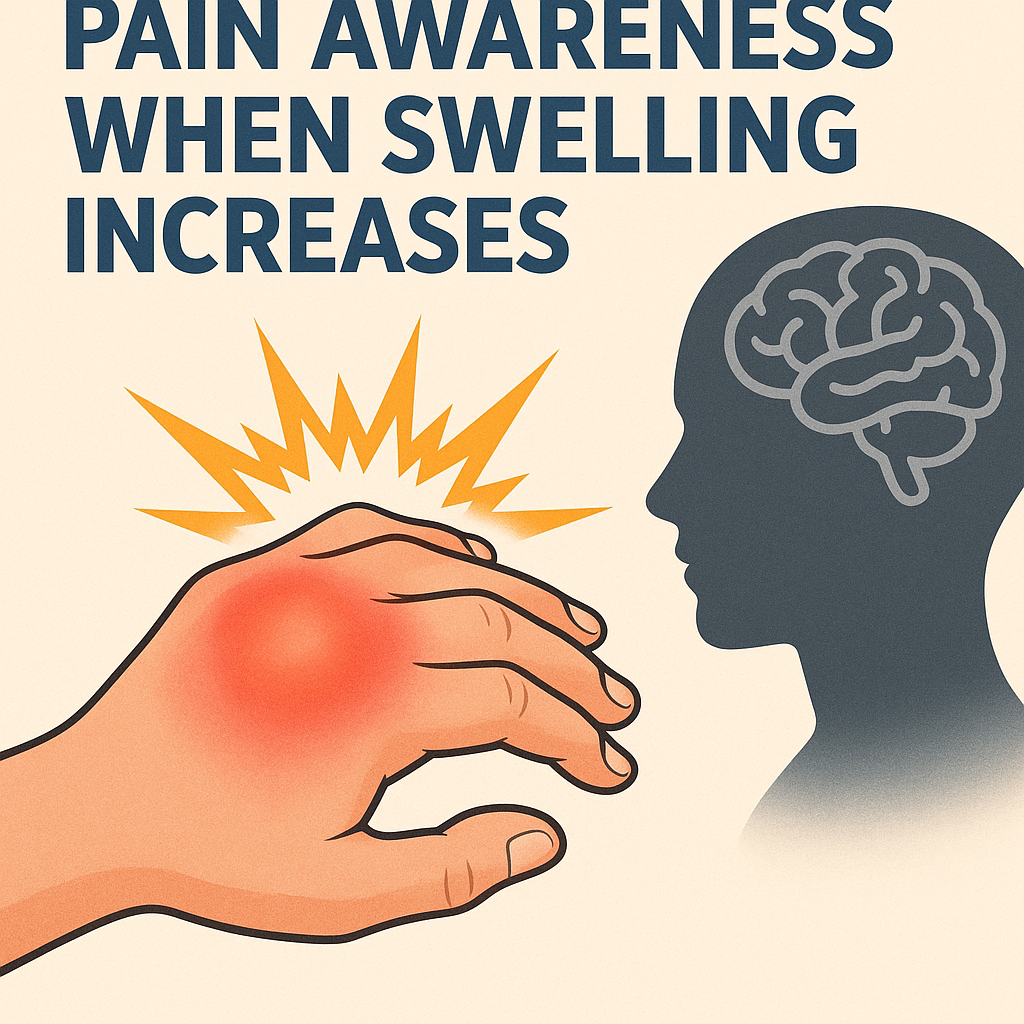
Pain Awareness When Swelling Increases
After a truck accident, physical symptoms sometimes surface right away, but just as often, they develop slowly in the hours or days that follow. One noticeable pattern is how swelling increases pain awareness—it’s common for people to become more conscious of their discomfort as swelling sets in or intensifies. This article explores the reasons behind this heightened pain awareness, common symptom patterns following truck accidents, and when individuals usually start noticing and monitoring changes in their bodies.
Why Symptoms Can Appear After Truck Accidents
Truck accidents often subject the body to powerful forces, even in seemingly minor collisions. Initially, adrenaline and stress may mask discomfort. When the acute response fades, physical symptoms can start to surface. Swelling typically emerges as part of the body’s natural response to injury. As inflammation increases, it can begin to press on sensitive nerves and tissues, making pain more pronounced and harder to ignore.
Moreover, delayed symptoms can occur because some injuries are microscopic or internal, making them less obvious right after the accident. The body’s efforts to repair damaged tissue may cause localized swelling, leading to more noticeable pain after some time has passed. In essence, swelling is a sign that the body is actively responding, and as it escalates, so too does awareness of pain, stiffness, or soreness.
Common Symptom Patterns (No Medical Instructions)
After a truck accident, some individuals might feel fine at first, only to notice new discomfort later. These patterns are not diagnostic, but simply common experiences:
– Stiffness and Aching: Swelling in muscles or joints often leads to a stiff, sore feeling that may spread or intensify over time.
– Localized Warmth or Redness: Some people notice that the swollen area feels warm or appears red, which may be accompanied by increased tenderness.
– Difficulty Moving: As tissues swell and become more sensitive, certain movements or activities can become more challenging or uncomfortable.
– Fluctuating Discomfort: It’s not unusual for pain awareness to ebb and flow, sometimes increasing at night or after periods of inactivity.
– General Fatigue or Sensitivity: The body’s energy is diverted to recovery, which may cause overall fatigued feelings or a heightened awareness of soreness.
Understanding these symptom patterns makes it easier to recognize why discomfort may seem to “suddenly” worsen as swelling peaks.
Why Symptoms Can Change Over Time
Many factors influence how symptoms evolve. The body’s healing mechanisms are dynamic—a bruise may appear and darken, swelling may peak and then subside, and areas of soreness can expand or shift. Increased swelling typically means that tissues are holding more fluid, potentially compressing nerves or limiting movement, which can make pain feel sharper or more persistent.
Activity levels, time of day, and even emotional states can also play a role. For some, discomfort may be mild in the morning but increase throughout the day as swelling builds with activity. Others might find that pain becomes pronounced only after resting for a while. Personal pain thresholds, previous injuries, and individual differences in how bodies respond to trauma all contribute to why one person’s experience with pain and swelling may differ greatly from another’s.
Notably, sensory perception is part of the human body’s internal warning system—it works to encourage rest and protection of vulnerable areas. When swelling increases pain awareness, it is the body’s way of signaling that extra care may be needed.
When People Typically Start Monitoring Symptoms
Awareness of swelling and pain can prompt individuals to start monitoring their symptoms more closely. This often occurs:
– Within the First 24-48 Hours: As the initial shock wears off, people commonly begin to notice new or intensifying discomfort, prompting them to pay more attention.
– If Symptoms Worsen: A noticeable uptick in swelling or pain can serve as a natural cue to monitor things like severity, frequency, and impact on daily life.
– During Routine Activities: If standard tasks become more difficult or painful, people are likely to track changes in their symptoms.
– In Response to Social Cues: Feedback from family, friends, or coworkers noticing visible swelling or changes in movement may also lead someone to pay closer attention to their own body.
– After Rest or Inactivity: Sometimes, awareness grows during periods of rest—lying down or sitting for a while can make swelling and discomfort more noticeable when moving again.
Monitoring symptoms can be a practical way to document changes and discuss them with others, if needed.
Neutral Closing Paragraph
Increased swelling often coincides with greater pain awareness, serving as a tangible reminder of the body’s response to injury. Though the exact experience varies from person to person, understanding the connection between swelling and pain can provide valuable context during recovery. Staying aware of symptom patterns and changes over time can support informed communication and personal decision making, while fostering a more mindful approach to post-accident well-being.