
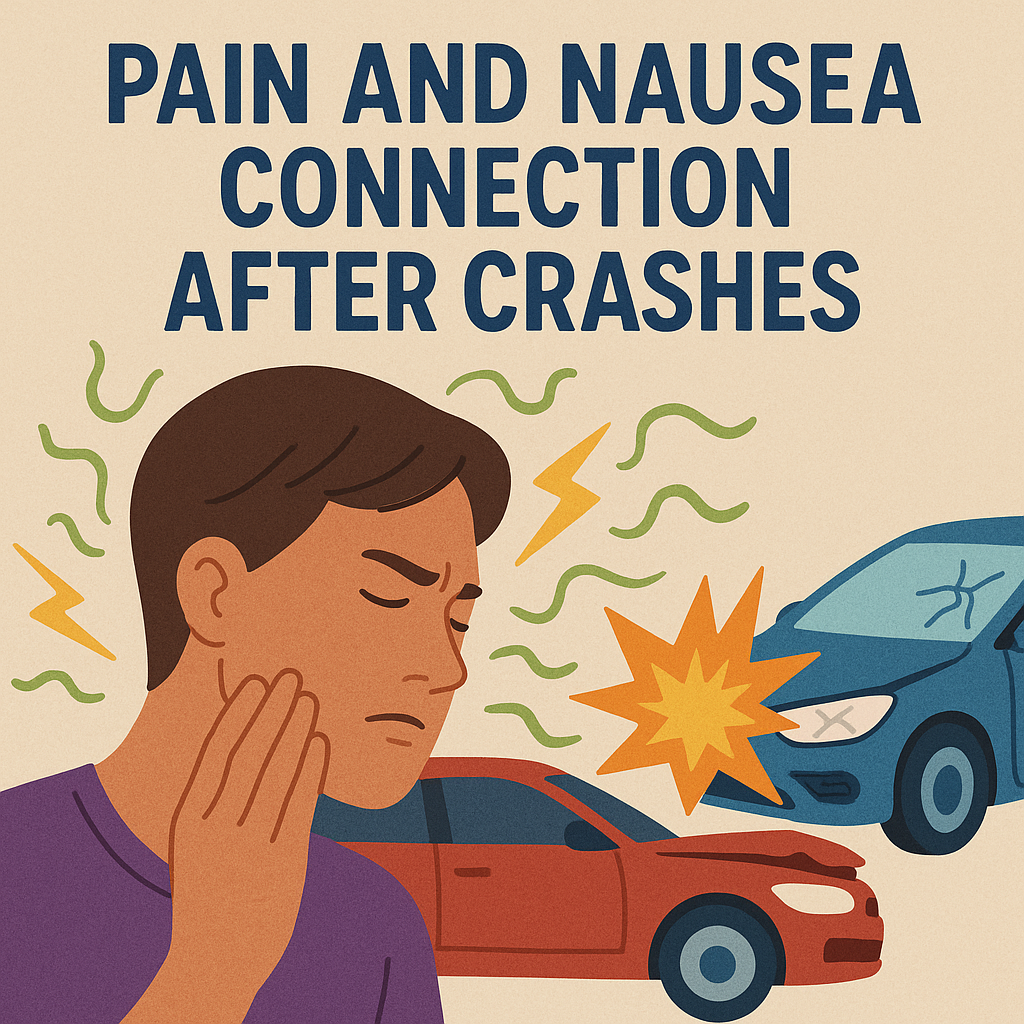
Pain and Nausea Connection After Crashes
Accidents involving trucks and other large vehicles can be highly traumatic experiences. The moments immediately following a crash can be confusing and frightening, and individuals may experience a range of physical and emotional responses. Among the most common reactions are pain and nausea, which often appear together. Understanding the pain and nausea connection after a crash can help individuals be more attentive to their bodies and recognize the importance of monitoring changes in their wellbeing in the days and weeks that follow.
Why Symptoms Can Appear After Truck Accidents
Truck accidents tend to deliver a significant force to the human body, often far greater than smaller roadway collisions. This intense physical impact can result in a spectrum of physical sensations, from acute pain to overall unease. The connection between pain and nausea after a crash is complex and can be influenced by several interconnected factors:
1. Physical injuries: The body may experience bruises, strained muscles, or more severe internal injuries. Pain is a natural response to damage or stress, signaling that something requires attention.
2. Stress response: The human body is hard-wired to respond to traumatic events with a surge of adrenaline and other stress hormones. These substances prepare the body for action but can also lead to side effects such as dizziness, stomach upset, or nausea.
3. Sensory overload: After a crash, sensory input skyrockets. Noise, movement, and even flashing lights from emergency vehicles can overwhelm the nervous system, sometimes resulting in feelings of queasiness or nausea.
4. Disrupted equilibrium: Head or neck injuries may disrupt the body’s sense of balance or equilibrium, which sends mixed signals to the brain, sometimes leading to both pain and nausea.
The “pain nausea connection crash” scenario, therefore, often has more than one cause and can evolve as additional symptoms surface or intensify.
Common Symptom Patterns (No Medical Instructions)
When examining the pain nausea connection after a crash, certain non-specific symptom patterns tend to recur:
Simultaneous onset: Some individuals notice pain and nausea at the same time—perhaps as a result of direct impact, such as head, chest, or abdominal trauma. In these cases, acute pain may trigger a secondary reaction from the digestive system, leading to feelings of nausea.
Delayed nausea: For others, initial pain is more noticeable, and nausea follows later, sometimes hours or even days after the crash. Stress or anxiety about potential injuries or the aftermath of the event may also contribute to later onset nausea.
Worsening with movement: After a truck crash, movement—such as standing, walking, or even turning the head—may make both pain and nausea worse. This can be due to strains, sprains, or disturbances in the balance centers of the body.
Emotional component: Emotional distress is common after traumatic events. Stress and anxiety can heighten perception of both pain and nausea, sometimes making them feel more intense or harder to manage.
Variable intensity: The severity of pain and nausea can fluctuate. What may start as mild discomfort can become more pronounced, especially when the initial shock wears off or adrenaline levels decline.
Recognizing these patterns can encourage individuals to pay closer attention to their sensations and communicate what they are experiencing to loved ones, if needed.
Why Symptoms Can Change Over Time
One of the most perplexing aspects of post-crash health is the way symptoms can evolve. The pain and nausea connection after a crash may not be static; instead, it can shift, intensify, or lessen day-to-day or even hour-by-hour. Several factors contribute to this dynamic experience:
Delayed physiological response: Certain symptoms take time to develop. Swelling or inflammation may not peak until hours or days after the initial impact, introducing new pain or discomfort.
Masking by adrenaline: The body’s immediate “fight-or-flight” response to trauma can sometimes mask some symptoms early on, delaying their recognition. As adrenaline subsides, discomfort and unease can become more noticeable.
Secondary effects: If certain activities continue despite pain—such as returning to work or engaging in daily routines—symptoms can be aggravated or may shift. Repeated use of an injured area may produce fresh sensations or worsen existing ones.
Emotional processing: Coming to terms with the reality of the crash can bring on waves of stress or anxiety, which, in turn, can magnify sensations of nausea or pain.
Individual variability: Each person’s body responds differently to trauma. Factors such as age, overall health, pre-existing conditions, and even individual pain thresholds can influence how and when symptoms appear or change.
Understanding that the pain nausea connection after a crash is rarely straightforward or predictable can ease concerns about fluctuations and encourage ongoing self-reflection in the days and weeks after a traumatic event.
When People Typically Start Monitoring Symptoms
After a truck accident, many individuals are focused first on their immediate safety and the condition of others involved. In the aftermath, attention often shifts to any emergent symptoms. Common triggers for monitoring symptoms more closely include:
During the first few hours post-crash: Many people notice pain and nausea while still at the accident scene or shortly after leaving it, especially as adrenaline levels start to wane. Immediate feelings of discomfort may prompt individuals to assess their wellbeing more deliberately.
The next day: It is quite common for more symptoms—such as muscle soreness, headache, or a growing sense of nausea—to appear after a night’s sleep. This can be due both to physical effects, such as developing inflammation, and emotional factors like the shock wearing off.
When unusual symptoms develop: Any unusual sensations, especially those persisting or worsening with time, often encourage individuals to start tracking their symptoms more carefully.
With encouragement from loved ones: Friends or family members may notice changes in behavior, appetite, or appearance (such as pallor or lethargy) and suggest paying closer attention to symptoms.
Following information from others: Sometimes, learning about the pain nausea connection after a crash—through articles, support groups, or professional discussions—can prompt individuals to monitor their own experiences more closely.
The initial hours and days after a crash are critical for observation, but it is also important to remain aware in the following weeks, as new symptoms can develop unexpectedly.
A Thoughtful Approach Moving Forward
While pain and nausea are commonly linked following truck and vehicle crashes, every individual’s experience is unique. The connection between these symptoms can be influenced by physical factors, the body’s stress response, and emotional processing. Recognizing patterns and fluctuations in symptoms, and understanding that these sensations may change over time, allows individuals and their supporters to stay attentive and informed. Taking a proactive but neutral approach to post-crash symptoms can help individuals prioritize their wellbeing through awareness and self-monitoring, contributing to improved peace of mind as they move forward after a difficult experience.