
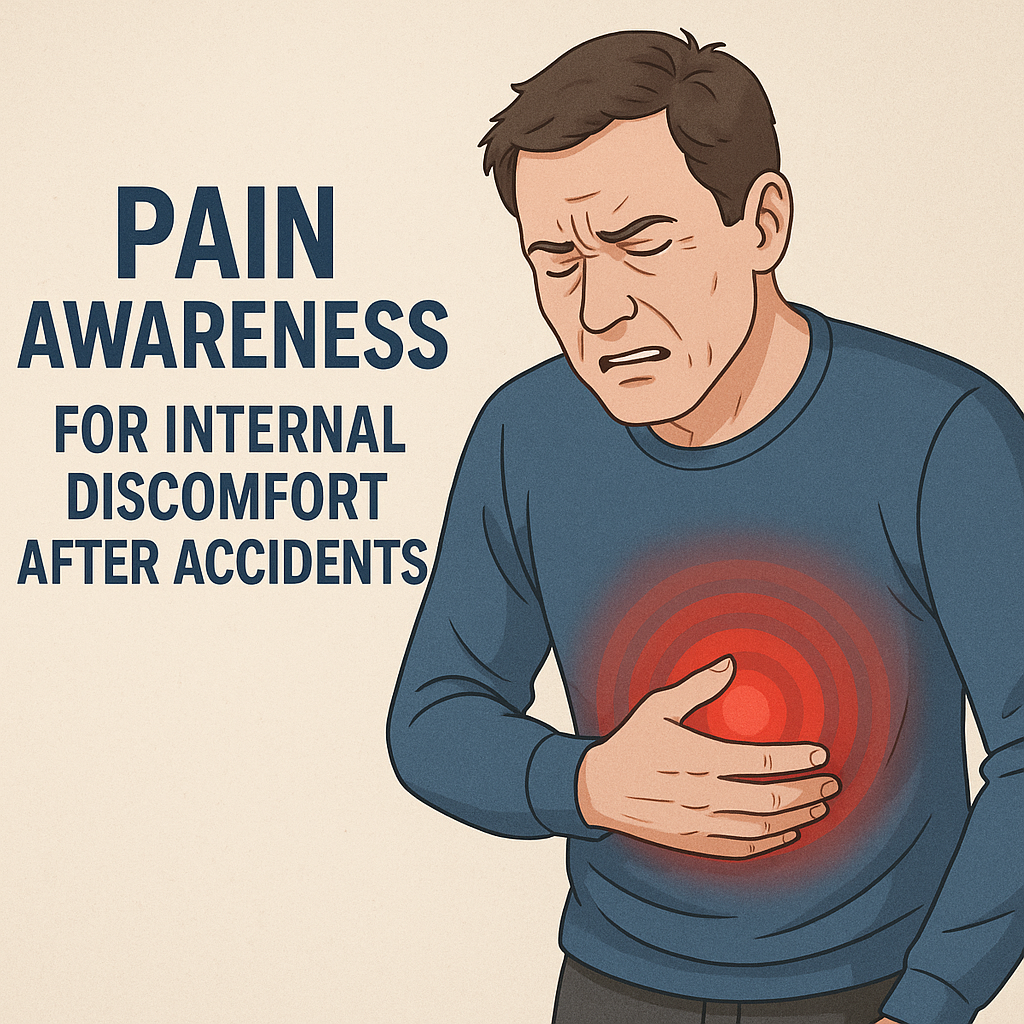
Pain Awareness for Internal Discomfort After Accidents
Accidents, especially those involving large vehicles like trucks, can create significant stress for the body. While external injuries, such as cuts or bruises, are immediately noticeable, internal discomfort may not be as easily detected. Developing internal discomfort pain awareness is essential in the aftermath of a truck accident. Understanding how and why pain symptoms can develop, change, and persist is an important step in recognizing and managing your well-being during recovery.
Why Symptoms Can Appear After Truck Accidents
Truck accidents subject the human body to forces much greater than everyday movements. These high-impact collisions often cause sudden stops, jarring movements, and pressures that might not result in visible injuries but can still affect soft tissues, organs, and joints.
After an accident, the body’s “fight or flight” response sets in. This can temporarily mask pain symptoms, as the body releases endorphins and adrenaline. As these stress hormones subside, people may become more aware of subtle discomfort or pain that wasn’t obvious at first.
Internal discomfort can manifest because the structures inside the body—such as muscles, ligaments, and even organs—might experience stretching, compression, or jostling. It’s common for individuals involved in these incidents to feel “fine” immediately after, only for signs of internal discomfort to surface hours or even days later. This delayed reaction is a critical aspect of internal discomfort pain awareness.
Common Symptom Patterns (No Medical Instructions)
Understanding symptom patterns can aid in identifying internal discomfort and knowing when to pay closer attention. Although each individual may experience unique responses, some general patterns emerge after truck accidents:
1. Aching or soreness: A dull ache in the back, abdomen, chest, or neck is frequently described by accident survivors. Sometimes this discomfort is only noticeable during certain movements or when taking deep breaths.
2. Stiffness: Muscle or joint stiffness is a typical sign that the body’s tissues have been impacted. Stiffness may not be immediately obvious but often appears the day after an accident.
3. Sensitivity: Certain areas of the body may become more sensitive to touch, pressure, or changes in position. This hypersensitivity is the body’s way of alerting you to deeper issues.
4. Unusual fatigue: Experiencing tiredness or exhaustion beyond what feels normal may indicate the body is working harder to heal beneath the surface.
5. Radiating sensations: Sometimes, pain or discomfort does not stay in one spot but seems to travel—such as from the neck down the spine or around the ribs.
It’s important to remember that symptoms like these do not always point to one specific problem. They do, however, highlight the importance of internal discomfort pain awareness so that individuals can notice subtle or gradual changes after an accident.
Why Symptoms Can Change Over Time
The way symptoms appear, intensify, or subside after a truck accident is not always predictable. Multiple factors influence these changes:
1. Body’s natural healing processes: The inflammation that occurs after injury, while helpful for healing, can sometimes increase discomfort as swelling develops over hours or days.
2. Activity levels: Resuming normal activities too quickly can make discomfort more obvious. Sometimes, people try to get back to routines only to notice increased pain or new sensations later.
3. Emotional response: Stress, anxiety, or shock can delay a person’s awareness of pain. As emotional reactions settle, physical discomfort may become more noticeable.
4. Secondary effects: Compensation—such as limping or using one side of the body more—can lead to new discomfort in areas not directly affected by the accident.
Because of these variables, it’s common for symptoms to change over the first several days or even weeks after a truck accident. This dynamic nature further underscores the need for ongoing pain awareness and attention to internal discomfort.
When People Typically Start Monitoring Symptoms
Most people initially focus on the immediate aftermath of an accident: ensuring safety, exchanging information, dealing with traffic, or managing external injuries. As the adrenaline fades and routines return, attention may shift to how the body feels during everyday tasks.
Symptom monitoring often begins when:
– New discomfort or soreness appears hours or days after the accident.
– Movement or activity becomes more challenging than usual.
– Sleep is disrupted by discomfort or pain.
– Family, friends, or coworkers notice changes in mobility or behavior.
– There is a general sense that something “doesn’t feel right.”
Cultural and personal habits may influence how soon people pay attention to symptoms. Some may monitor discomfort immediately, while others wait until symptoms interfere with daily life. Developing proactive internal discomfort pain awareness can help individuals recognize subtle internal symptoms early, fostering more informed self-care.
Neutral Closing Paragraph
Awareness of internal discomfort after a truck accident plays an important role in a person’s overall recuperation journey. Recognizing how symptoms can emerge, shift, or persist empowers individuals to make informed decisions about their well-being. While each experience is unique, being attentive to internal sensations can contribute to a better understanding of the body’s response to trauma. By nurturing internal discomfort pain awareness, people are better prepared to navigate the days and weeks following an accident with greater confidence and self-awareness.